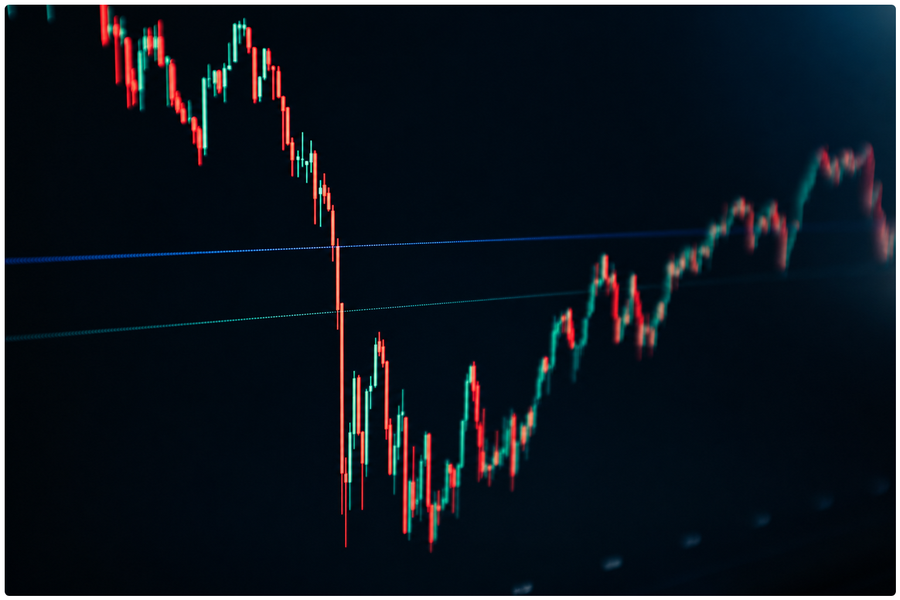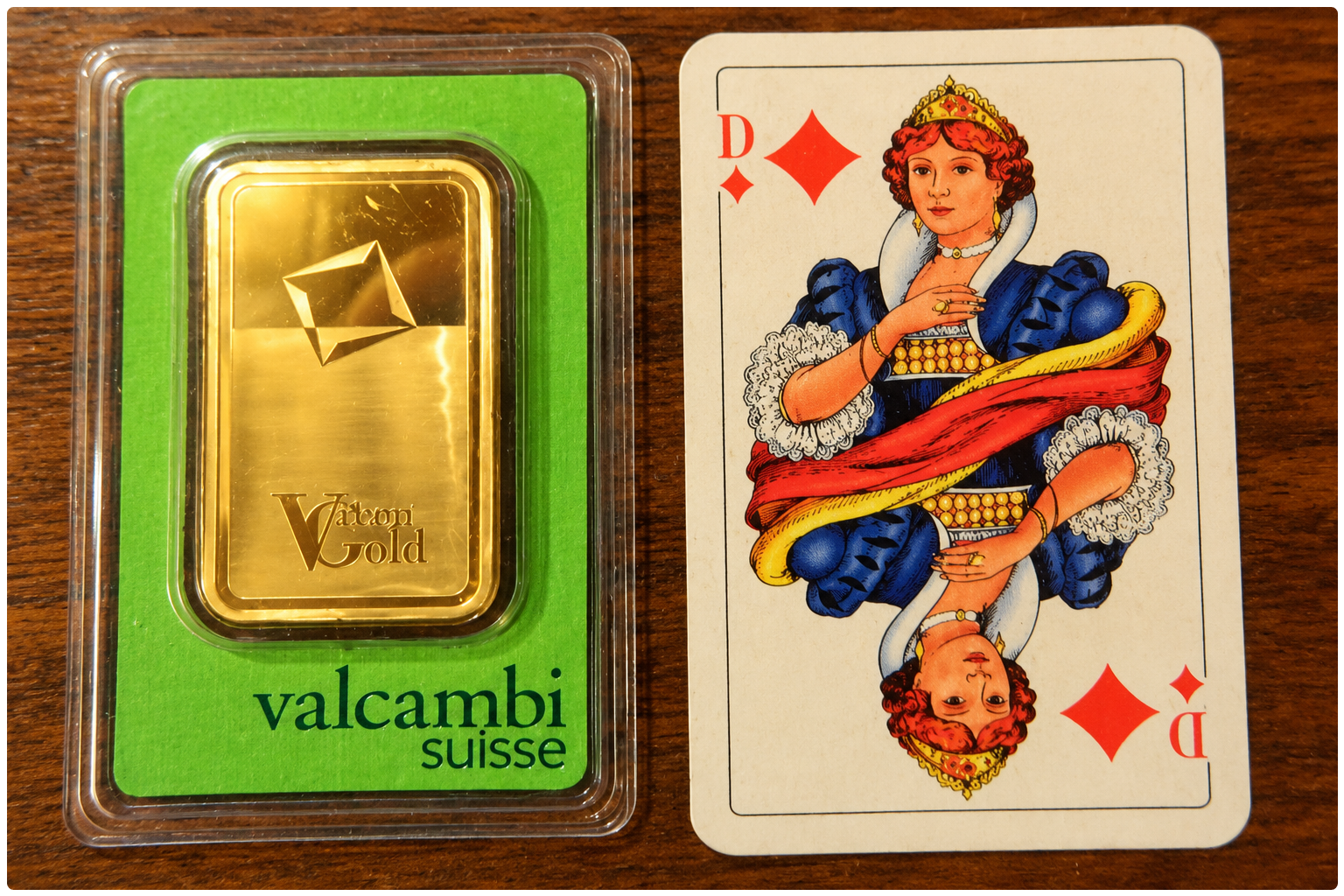
Gold recovered more than 1% on Thursday, climbing back above $4,150 an ounce after a sharp selloff triggered by stronger-than-expected US inflation figures. The recovery came as the dollar retreated from an 18-month high and Treasury yields declined, giving bullion some breathing room after three consecutive sessions of losses.
Spot gold rose to $4,158.63 an ounce in early trading on October 15, while US gold futures for December delivery advanced 1.8% to $4,180. The rebound followed Wednesday's decline to a one-week low, when investors reacted to the prospect of further interest-rate increases by the Federal Reserve.
The reversal is particularly striking given that the economic figures responsible for Wednesday's selloff have not changed. The US Bureau of Labor Statistics reported that consumer prices increased 3.7% in September from a year earlier, compared with 3.4% in August. Monthly inflation reached 0.6%, with a 9.1% rise in gasoline prices accounting for more than half the increase.
Those figures initially strengthened expectations that the Federal Reserve would need to raise borrowing costs again. The dollar surged and government bond yields climbed, making gold less attractive relative to interest-bearing assets.
By Thursday, however, traders had begun reassessing the likelihood of an immediate rate increase. Cautious comments from Federal Reserve officials, alongside a retreat in Treasury yields, helped reverse some of the previous session's currency gains. The dollar index slipped to around 102.06 after reaching its strongest level in 18 months.
Gold, which is priced internationally in dollars, generally becomes more affordable for buyers using other currencies when the greenback weakens. Lower bond yields also reduce the opportunity cost of holding bullion, which pays no interest.
The latest price swings are taking place against a longer-running shift in official demand for gold.
Central banks have substantially increased their holdings in recent years as reserve managers seek protection against geopolitical instability and greater diversification.
According to the World Gold Council's 2026 Central Bank Gold Reserves Survey, central banks accumulated an average of roughly 1,000 tonnes annually over the previous four years, compared with about 500 tonnes a year during the preceding decade.
The survey also found that 89% of participating central banks expected global official gold reserves to increase over the following 12 months. These longer-term preferences help explain why gold continues to attract institutional interest even when changes in US interest-rate expectations produce sharp daily price movements.
In India, the international recovery could push bullion prices higher, although the extent of the increase will depend on the rupee's movement against the dollar. Import duties and domestic demand will also influence what buyers ultimately pay.
Thursday's gains have brought some buyers back into gold after three days of losses, but the stronger US inflation figures remain a concern. Upcoming producer-price and retail-sales data could provide a clearer indication of whether the Federal Reserve is likely to raise interest rates again, with consequences for both the dollar and gold.