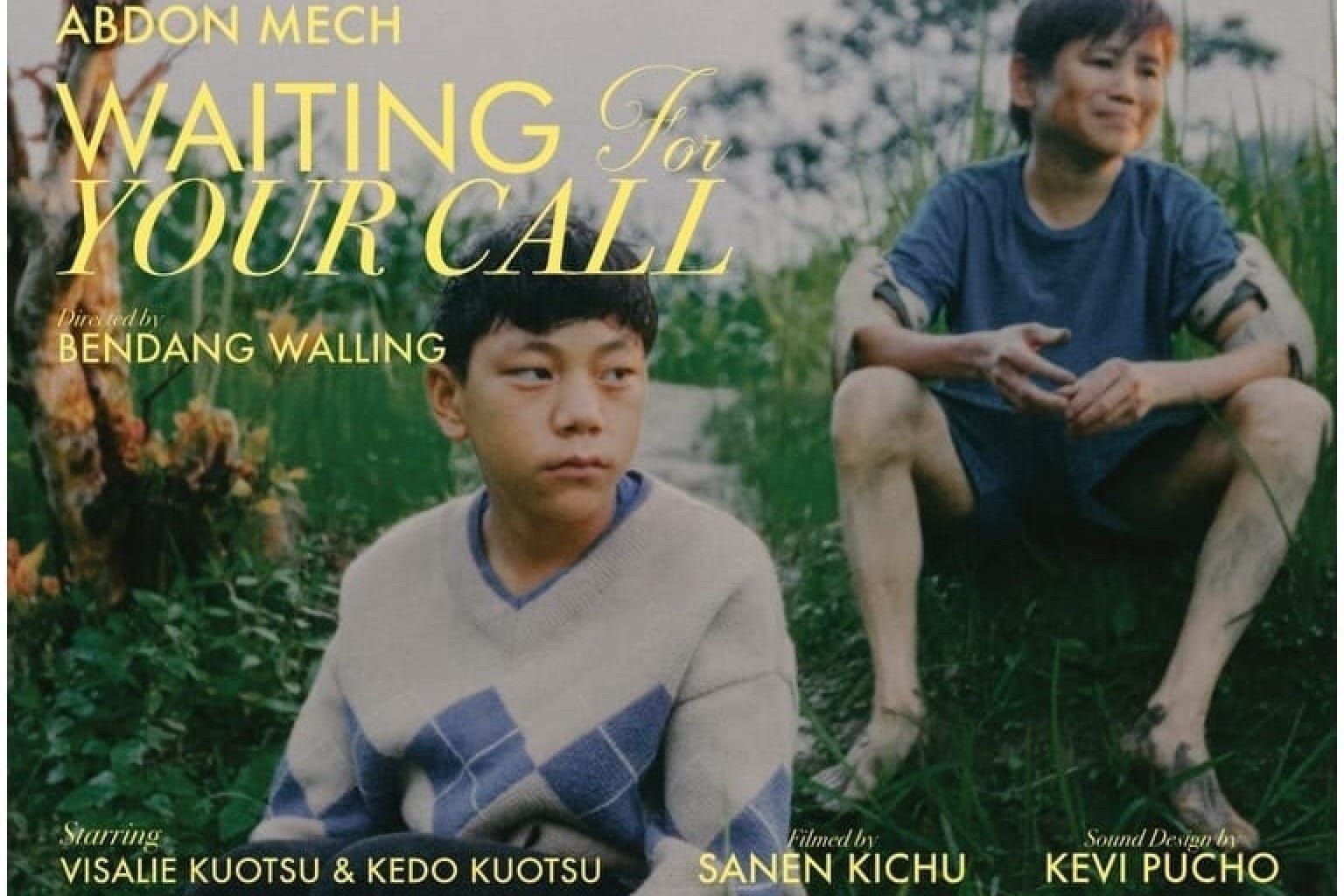
When Abdon Mech released Noye Lhokuthu Iwu in September 2025, he was doing something he had not attempted in his earlier recordings: singing an original indie-pop song in Sumi, one of Nagaland's Indigenous languages.
The singer-songwriter, whose previous work was largely in English, wanted to approach Sumi differently from the traditional folk arrangements commonly associated with it. Released on September 5 as part of his EP Not Overthinking This, the song was written and composed by Mech, produced by Kevi Pucho and recorded at Element Indie Studio in Nagaland. The official music video, filmed at Studio92 in Medziphema, featured a full band with guitars, keyboards, bass and drums.
The experiment came at an interesting stage in Mech's career. By 2026, he had performed at major Indian festivals and opened for American guitarist John Mayer in Mumbai. Yet his first Sumi-language single was recorded in Nagaland, with local musicians and production talent.
Mech is part of a wider generation of musicians finding space for Indigenous languages within contemporary genres. The development was visible again on October 19, when the October Roots Vol-1 concert brought emerging performers to Kohima's State Academy Hall.
Organised by CaveMEN Production with Colours Graphic and Acoustic Wave, the event featured indie, pop-rock, punk and progressive rock. Among the performers was Athong LK, a singer-songwriter promoting Yimkhiung-language music through songs including NÜ LANG (Only You) and Amüzho. The lineup also included Kohima's indie pop-rock group WAY UP, punk band Shoelace Untied and progressive rock newcomers Dream Carries You.
Nagaland's linguistic diversity also makes the development more complicated than a simple return to one mother tongue. Sumi, Yimkhiung, Ao, Tenyidie and Chokri belong to different linguistic communities. English and Nagamese remain important means of communication across the state.
For younger musicians, choosing a language can therefore shape both the audience and the character of a song.
There are concerns about the future of some local languages. In Kohima, educators working to promote Tenyidie have described how younger speakers increasingly favour English or Nagamese in everyday conversations. Community initiatives, including the Tenyidie Learning Circle, are encouraging people to use the language more regularly outside formal education.
Musicians have been working with Indigenous languages for generations, so the current trend should not be mistaken for their introduction into popular music. The Tetseo Sisters, for example, have long performed songs rooted in the Chokri-speaking community's Li singing tradition. The newer development lies in musicians adapting local languages to indie-pop, rock and other contemporary formats.
The state has also attempted to build an industry around its musical talent. Nagaland's official tourism policy identifies music as an economic activity and describes government initiatives intended to encourage professional careers. Its Task Force for Music and Arts supports training, performances and opportunities for collaboration.
Such infrastructure can help artists develop careers, although the available evidence does not establish how much Indigenous-language indie music earns or whether its audiences are growing faster than those of English-language releases.
Mech's Noye Lhokuthu Iwu offers a more concrete measure of the creative shift. Its credits belong to a contemporary independent production, its instrumentation to a modern pop arrangement and its lyrics to Sumi. None of those elements required the others to be abandoned.