Sudan's farmers are entering the harvest season with little to gather. Across parts of Darfur and Kordofan, months of inadequate rainfall have left fields unproductive, weakened livestock and exhausted food reserves. For communities already struggling through more than three years of civil war, the failure of the rains threatens to eliminate one of their last dependable sources of food and income.
The July-to-September rainy season was Sudan's driest in more than three decades, according to recent assessments of rainfall conditions. The drought, associated with El Niño, has severely affected agricultural production across much of the country, including areas where conflict has already prevented farmers from planting, maintaining or harvesting crops.
The Integrated Food Security Phase Classification's latest warning, issued on October 12, identifies an increasing risk of famine across Greater Darfur and Greater Kordofan. Drought has affected roughly half of Sudan, accelerating the depletion of food stocks, reducing household incomes and pushing food prices higher.
The consequences extend beyond grain production. In western Sudan, shrinking pasture and water supplies have forced pastoralists to move their animals earlier than usual, sometimes towards farmland already under pressure. The Famine Early Warning Systems Network's September assessment documents deteriorating livestock conditions, distress sales and animal deaths in parts of North and West Darfur. It also warns that competition over diminishing grazing resources could aggravate disputes between farming and pastoral communities.
Sudan's principal harvest period, running from October into January, would ordinarily provide some relief after the annual lean season. This year, food security monitors expect harvests to remain exceptionally poor across several conflict-affected areas. In some localities, agricultural production may provide almost no meaningful improvement in household food supplies.
The crisis is particularly severe because millions of Sudanese entered the drought with little capacity to absorb another shock. The IPC's May food security assessment estimated that 19.5 million people, approximately 41% of the population, were experiencing high levels of acute food insecurity. About 135,000 were already experiencing catastrophic hunger.
Famine risk is concentrated in areas where fighting between the Sudanese Armed Forces and the Rapid Support Forces has disrupted trade, displaced farming communities and restricted humanitarian access. In parts of North Darfur and South Kordofan, households face the combined effects of failed production, high food prices and limited access to relief.
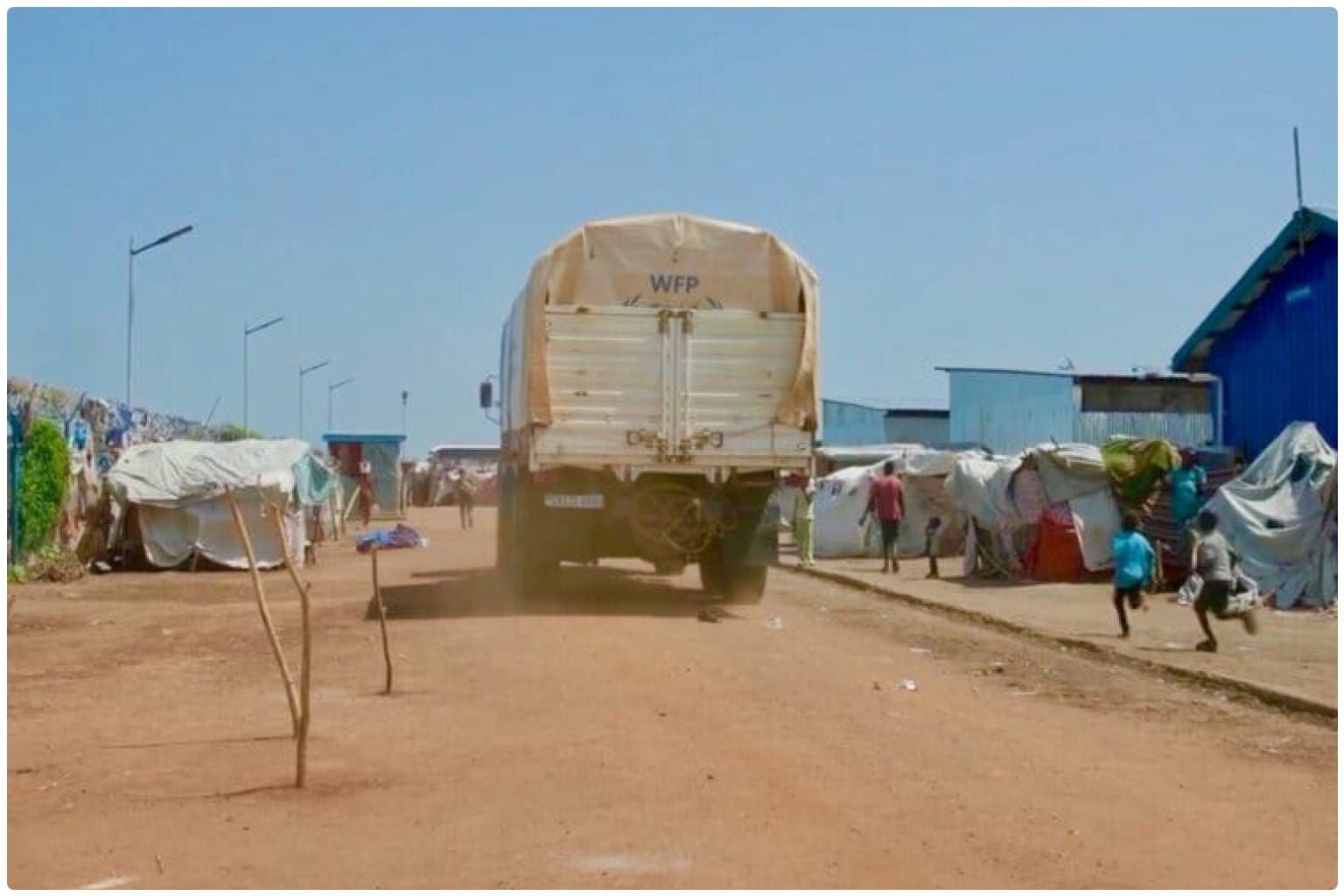
The worsening agricultural outlook also comes as humanitarian organisations struggle with inadequate funding. The World Food Programme has warned that financial shortfalls are forcing it to prioritise assistance for the most severely affected communities, leaving substantial needs unmet.
Six major humanitarian organisations, including the Norwegian Refugee Council and the International Rescue Committee, warned earlier in October that losing the upcoming harvest could deepen Sudan's hunger emergency well into 2027.
The immediate damage is already evident in reduced crop prospects and depleted livestock resources. What remains uncertain is how much food households will manage to produce before the harvest ends in January. For families who have exhausted their savings, lost access to markets or fled their farms, even a modest harvest may arrive too late to prevent further deterioration.