The US Federal Reserve has raised interest rates by 25 basis points, its first increase in more than three years, and the move is already adding pressure to Indian financial markets at a time when the rupee, bond yields and inflation are under strain.
The Federal Open Market Committee unanimously raised the federal funds target range to 3.75%-4.00% on September 16. More important than the hike itself was the Fed’s signal that tightening may not be over. Sixteen of 18 policymakers projected at least one more quarter-point increase before the end of 2026, reinforcing expectations that US borrowing costs could remain higher for longer. The dollar strengthened after the decision, while short-term US Treasury yields climbed.
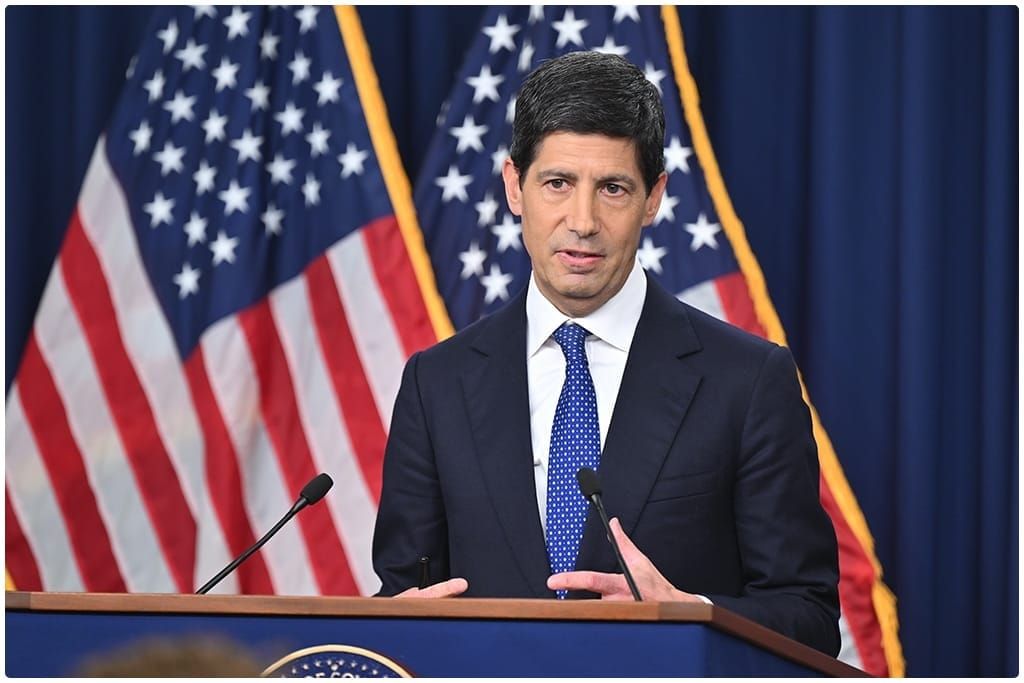
BREAKING: Trump’s Federal Reserve appointee Kevin Warsh just tore apart Trump’s inflation numbers.
— Ed Krassenstein (@EdKrassen) September 16, 2026
“The plain fact is that inflation is too high. This summer's inflation readings do not tell me that underlying trends have meaningfully improved. Based on the most recent CPI and… pic.twitter.com/lLHlQ7uj97
For India, the most immediate impact is on the rupee. Higher US interest rates make dollar assets more attractive and can encourage global investors to shift capital away from emerging markets. The rupee was already trading near record lows after weakening sharply in recent weeks, and traders are now watching the 96-per-dollar level. Several sources reported that the currency is likely to remain under pressure after the Fed’s hawkish signal, particularly as high crude prices and foreign portfolio outflows add to the strain.
The equity market faces a more mixed impact. Indian stocks managed modest gains on Thursday after a recent sell-off, with the Nifty 50 rising 0.26% and the Sensex 0.16%, but the Fed’s decision is likely to keep volatility elevated. Higher US yields can make Indian equities relatively less attractive to foreign investors, while sectors dependent on global liquidity and overseas demand may face additional pressure. Indian IT stocks fell 0.7% on Thursday as investors weighed the possibility that tighter US financial conditions could eventually affect technology spending by American clients.
Bond markets are another area of concern. India’s 10-year government bond yield had already climbed above 7% before the Fed meeting as traders priced in higher inflation, tighter liquidity and the possibility of another RBI rate hike. The Reserve Bank of India has begun withdrawing excess liquidity through ₹1 trillion of open-market bond sales, adding another source of upward pressure on domestic yields.
The Fed move also complicates the RBI’s own policy decisions. India is dealing with elevated crude prices, a weaker rupee and consumer inflation that rose to 4.82% in August. A softer currency can make imported energy and other goods more expensive, while a wider interest-rate gap with the US can increase pressure on capital flows. That has strengthened expectations that the RBI may itself raise rates at its October policy meeting.
The effect on India will therefore depend less on this single 25-basis-point move than on what comes next. If the Fed follows through with further hikes, the pressure on the rupee, bond yields and foreign investment could intensify. If inflation in the US cools and the tightening cycle proves short, the impact could remain manageable.
For now, however, the message from Washington is clear: global money is becoming more expensive again, and India will have to navigate that shift while already dealing with high oil prices and tighter domestic financial conditions.