An Argentine provincial lawmaker has denied using cocaine during a legislative session after a two-month-old video was circulated online with claims that it showed him consuming the drug inside the chamber.
Juan Manuel Rossi, a Socialist Party politician representing the Juntos por Entre Ríos bloc, said the object visible in his hand was a ballpoint pen. He maintained that he had been using it to scratch his navel before briefly bringing it towards his face.
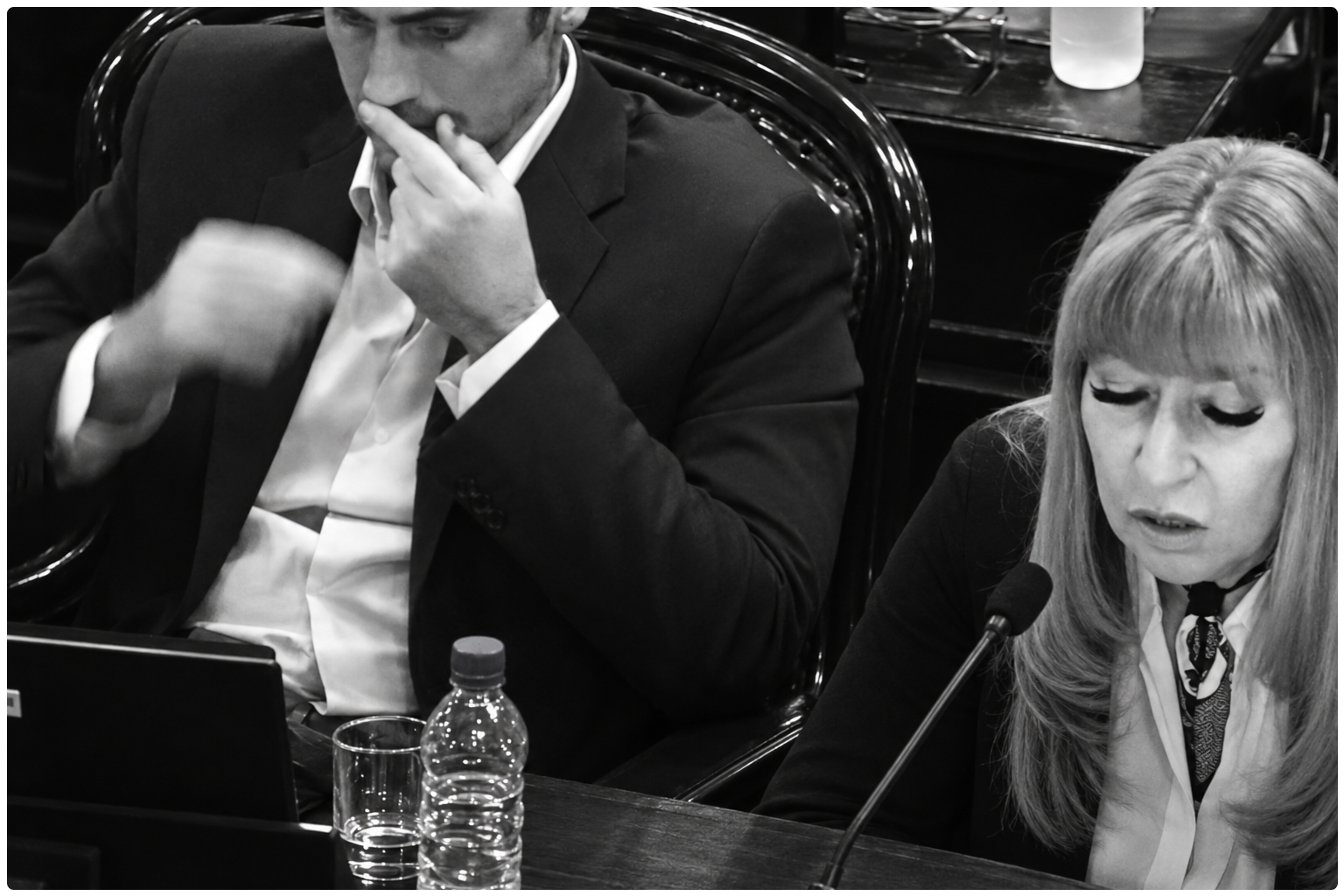
The footage was recorded during an official sitting of the Entre Ríos Chamber of Deputies on July 29. It shows Rossi seated near fellow legislator María Elena Romero as she addresses the chamber. Rossi reaches underneath his shirt with a narrow object in his hand and later raises the same object towards his nose.
A shortened version began circulating widely on social media on September 22, nearly two months after the session. Some versions were converted into black and white, slowed down and paused at particular moments, encouraging users to interpret Rossi’s movements as drug use.
🚨🇦🇷 Meanwhile in Argentina
— Concerned Citizen (@BGatesIsaPyscho) September 23, 2026
Deputy Law-Maker to Javier Milei - Juan Manuel Rossi is filmed openly & brazenly snorting Cocaine in the Argentine parliament.
It’s all of them & Bro doesn’t give a Single F pic.twitter.com/JXbbxy9N27
The video was not a secret recording or a leak. It was taken from the legislature’s official public broadcast and appears approximately three hours and 35 minutes into the full session. A review of the original footage confirms that Rossi makes the disputed movement, but it does not show cocaine, another substance or any act of ingestion.
Rossi described the accusations as a political operation intended to damage his reputation. He blamed supporters of the provincial Peronist opposition for promoting the clip and said the altered presentation had been designed to make an ordinary movement appear suspicious.
He also offered to undergo a toxicology examination and make the results public. Rossi challenged those circulating the accusation to explain corruption cases involving former officials and alleged irregular contracts in the provincial legislature, shifting the dispute into the wider political rivalry in Entre Ríos.
No toxicology result has yet been published, and no judicial or legislative authority has accused Rossi of possessing or consuming an illegal substance. There is also no indication that the chamber has opened a disciplinary investigation into his conduct.
The session itself was politically contentious. Lawmakers were debating a provincial pension reform promoted by Entre Ríos Governor Rogelio Frigerio. The measure, formally titled the Restoration of Balance and Strengthening of the Pension System, was approved after more than five hours of debate amid protests and a heavy police presence outside the legislature.
Rossi supported the reform, while the Peronist opposition voted against it and described the legislation as an adjustment imposed on workers and pensioners. The underlying political conflict has added weight to Rossi’s claim that the later circulation of the video was intended to undermine him.
The available evidence does not establish that Rossi consumed cocaine or any other drug. It shows him handling a pen, placing it beneath his shirt and then bringing it near his nose. Everything beyond those observable actions remains an allegation based on interpretation.
The controversy demonstrates how footage taken from a public broadcast can acquire a different meaning when it is shortened, slowed down and separated from its original context. Rossi’s explanation may appear unusual, but the video alone does not provide evidence sufficient to support the accusation made against him.