Bangladesh is reviewing 101 agreements and memorandums of understanding signed with India under former prime minister Sheikh Hasina, opening another potential fault line between the two neighbours just as a dispute over Prime Minister Tarique Rahman's absence from the BRICS summit in New Delhi deepens.
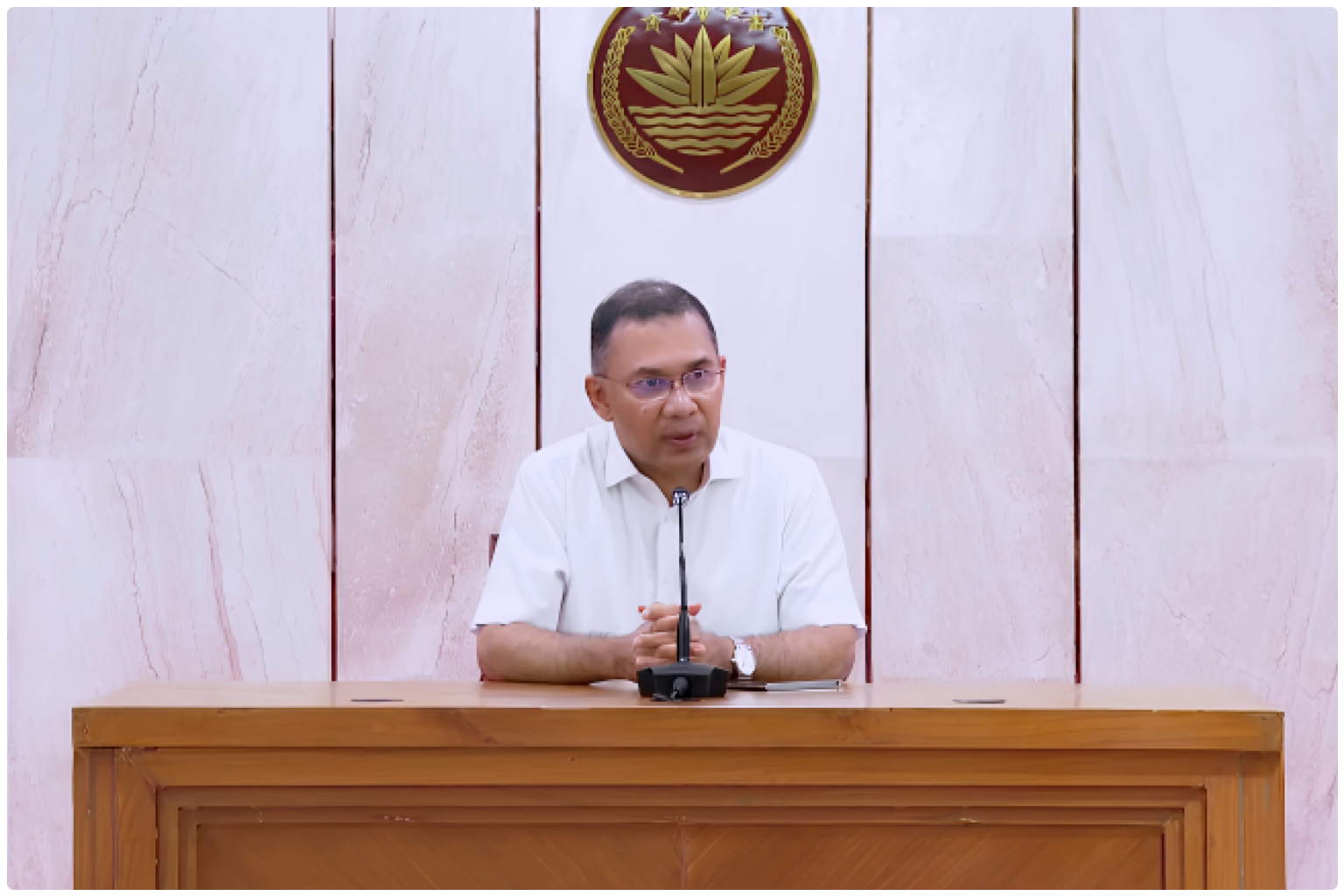
Nurul Islam Moni, chief whip of the ruling Bangladesh Nationalist Party, announced the review after parliament concluded its latest session. Asked specifically about agreements allowing vessels from friendly countries to use Chattogram and Mongla ports, Moni said the government was examining all 101 agreements and that the results would be announced soon. He did not identify which agreements could be cancelled, renegotiated or retained, but framed the exercise around the BNP government's “Bangladesh First” approach and said Dhaka wanted friendly relations with India only while protecting its national interests.
The timing has inevitably drawn attention because the announcement comes alongside an unusually public disagreement over the BRICS summit. Bangladesh says Tarique Rahman was not invited to New Delhi in his capacity as prime minister. State Minister for Foreign Affairs Humaiun Kobir responded sharply when questioned about Bangladesh's absence, saying the invitation had been addressed to Rahman as chair of BIMSTEC rather than as head of the Bangladesh government. “How shall we go?” he asked reporters. India, which invited the chairs of several regional organisations to the BRICS outreach programme, maintains that Rahman had been invited in his capacity as BIMSTEC chair.
Dhaka has also argued that Rahman's first visit to India since becoming prime minister in February should be a bilateral visit rather than an appearance attached to a multilateral summit. India had invited him for a bilateral visit after he took office, but that trip has yet to take place. Moni separately criticised the BRICS episode, describing the failure to invite Bangladesh's head of government in the manner Dhaka expected as regrettable. The overlap between that dispute and the review of Indian agreements has consequently fuelled speculation that Bangladesh is sending New Delhi a political message, although the government has presented the review as part of a wider reassessment of agreements inherited from the Hasina era.
That distinction matters because relations between India and Bangladesh have changed dramatically since Hasina's fall. New Delhi enjoyed exceptionally close relations with her Awami League government, expanding cooperation in connectivity, energy, security and trade. Hasina's flight to India after losing power became another source of tension, and the BNP government has since pursued a more diversified foreign policy, deepening engagement with China, Pakistan, Türkiye, Saudi Arabia and other powers while insisting that relations with India be based on reciprocity rather than what it regards as the imbalance of the previous era.
The 101-agreement review could therefore become considerably more consequential than the BRICS argument itself. India and Bangladesh are connected by dense economic and strategic relationships involving ports, railways, roads, inland waterways, electricity, border management and access between India's mainland and its northeastern states. Bangladesh is geographically wrapped around much of India's Northeast, making transit and connectivity through Bangladeshi territory strategically important to New Delhi. India, meanwhile, remains an unavoidable economic and geographic partner for Bangladesh. Any wholesale dismantling of bilateral arrangements would carry costs for both sides.
There is another irony. Bangladesh has not turned away from BRICS itself. In June, Dhaka formally sought Russia's support for membership in both BRICS and the Shanghai Cooperation Organisation. Russian Foreign Minister Sergei Lavrov responded positively, according to Bangladesh's foreign ministry. Rahman's absence from New Delhi therefore appears less about hostility towards BRICS than about the increasingly complicated relationship with India.