New Delhi has turned into a fortress as some of the world's most consequential political leaders arrive for the BRICS summit, triggering one of India's largest security operations since the G20 gathering three years ago.
Russian President Vladimir Putin arrived in the capital on Friday ahead of the 18th BRICS Summit, while Chinese President Xi Jinping is expected on Saturday. Iranian President Masoud Pezeshkian, South African President Cyril Ramaphosa, Egyptian President Abdel Fattah el-Sisi and other leaders and senior officials are also expected as India hosts delegations from BRICS member and partner countries.
Their arrival has brought an extraordinary security operation to the Indian capital. Around 25,000 to 30,000 police and paramilitary personnel are being deployed for the summit, according to various reports, alongside more than 100 National Security Guard commandos. SWAT teams, intelligence units, snipers, bomb-disposal squads and anti-drone systems form part of a multi-layered security network stretching from the airport and diplomatic district to hotels, convoy routes and Bharat Mandapam, where the summit will be held.
The preparations have included mock terrorist attacks and hostage-rescue exercises under an operation dubbed “BRICS Kavach”. NSG commandos rehearsed responses at locations including Bharat Mandapam, Rajghat and Jawaharlal Nehru Stadium, while security agencies have coordinated evacuation and emergency-response plans. Delhi Police has also imposed a citywide ban on drones and other small aerial platforms until September 14, citing concerns that they could be used by terrorist groups or other hostile actors.
Security does not stop at the summit venue. Hotels housing foreign leaders have been placed under heavy guard, while Russian and Chinese security teams arrived in advance to coordinate with Indian agencies. Police in Delhi have also held coordination meetings with neighbouring forces in Noida and Ghaziabad covering border surveillance, intelligence sharing, criminal movements and emergency responses.
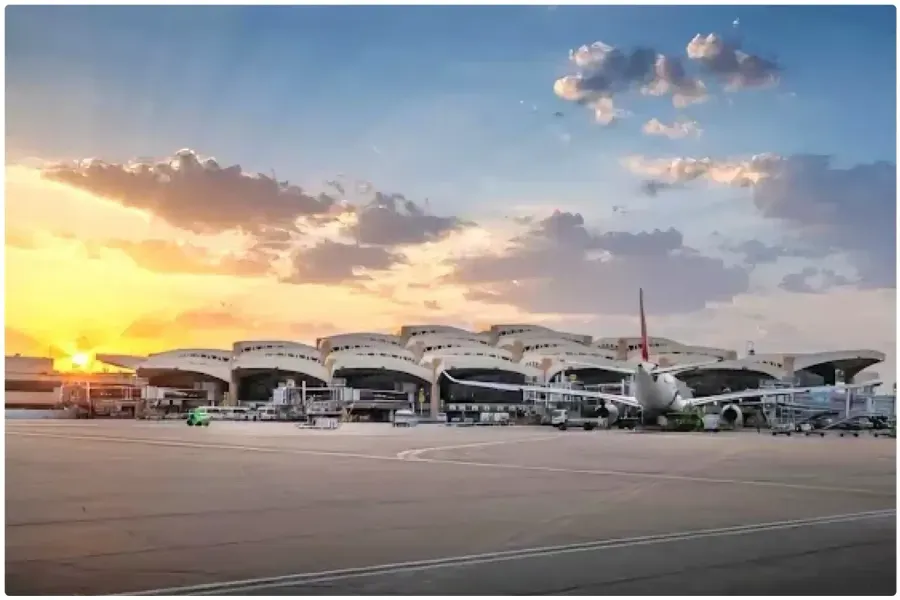
Even the skies above Delhi are part of the operation. Around 35 special aircraft carrying leaders and delegations are expected, requiring authorities to coordinate parking and movements across Delhi's main airport, the Palam Air Force Station and other airports around the capital. Xi and Putin are expected to stay at separate heavily secured hotels in the diplomatic district.
For ordinary Delhi residents, the summit is impossible to ignore. More than 35 roads are subject to regulation, with 22 diversion points established across the city. Barricades and checkpoints have appeared along major routes, commuters have been encouraged to use the Metro, and authorities have attempted to reduce ordinary traffic while VVIP motorcades move between airports, hotels and the summit venue. The disruption has already frustrated residents and workers, with some facing long detours and higher transport costs.
But the exceptional security surrounding this summit also reflects the exceptional geopolitical moment in which it is taking place.
Putin arrives while Russia remains at war in Ukraine. Pezeshkian comes while Iran is fighting the United States and Israel and the Strait of Hormuz remains severely disrupted. Xi's arrival will be his first visit to India since 2019, following years of tension after the deadly Galwan Valley clash. Several of the leaders gathering in Delhi are therefore not merely heads of large states; they sit at the centre of conflicts and geopolitical rivalries currently reshaping the international order.
India is effectively hosting several of the most heavily protected political figures in the world at the same time, while trying to ensure that their movements do not bring one of the world's busiest cities to a complete halt.
BRICS now represents 11 emerging economies and roughly half of humanity, but its members disagree sharply on wars, relations with the West and what the organisation itself should become.
For the next few days, it is worth keeping a close eye on how those differences will unfold.