China is pressing Tajikistan for closer intelligence sharing as Beijing puts greater weight on the security of its citizens, investments and western approaches to Central Asia.
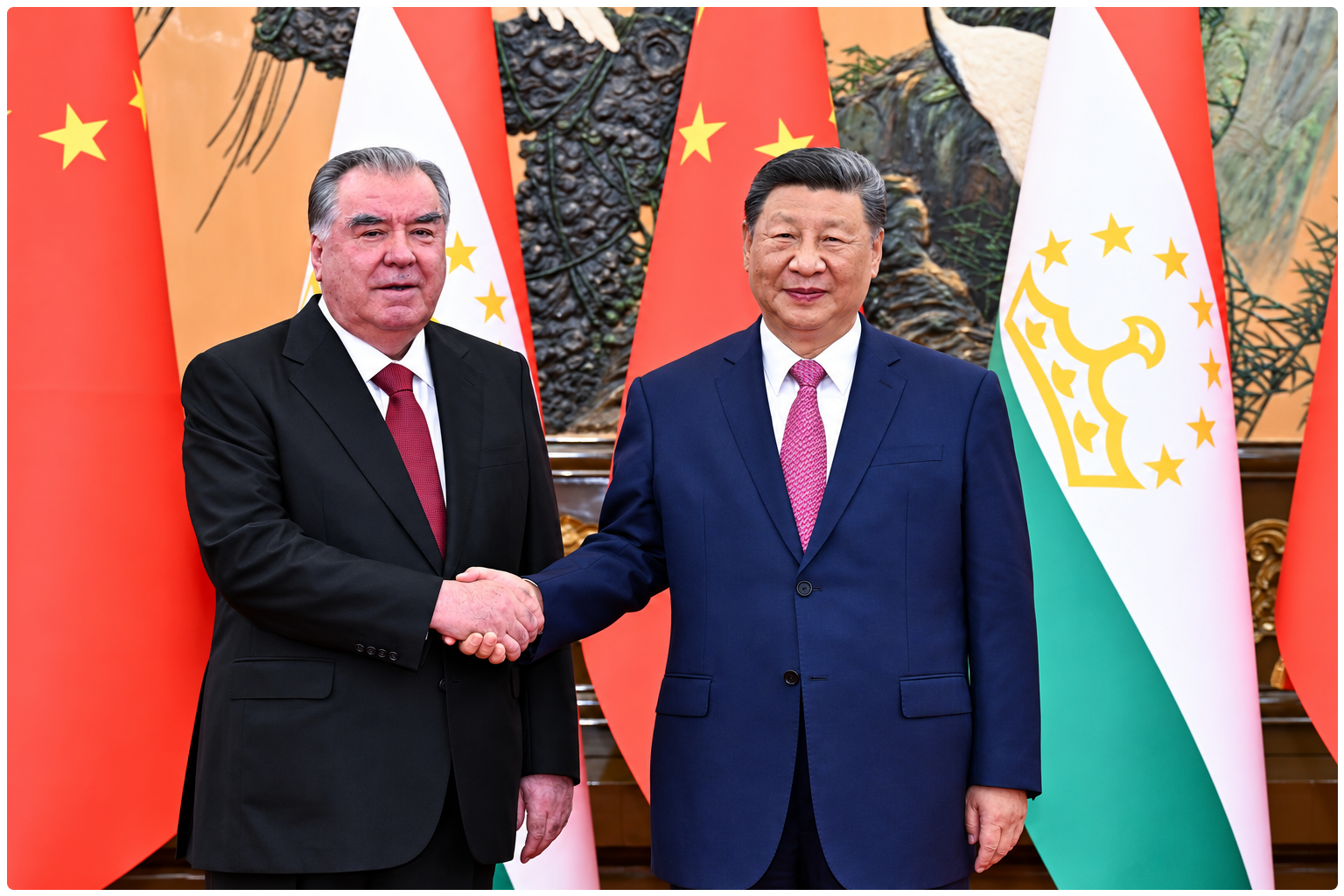
During talks with President Emomali Rahmon in Dushanbe on October 19, Premier Li Qiang called for deeper law-enforcement and security cooperation, including stronger “intelligence exchanges and information sharing.” According to the official Chinese government account of the meeting, Li linked that cooperation to countering terrorism, separatism and extremism and maintaining regional stability.
He also asked Tajikistan to continue taking strong measures to protect Chinese personnel and companies operating in the country. That request reflects a security problem that became considerably more immediate for Beijing last year.
On November 26, 2025, an armed attack in Tajikistan’s Shamsiddin Shohin district, near the Afghan border, killed three Chinese citizens and wounded another. The Chinese embassy in Dushanbe subsequently warned Chinese nationals against travelling to the Tajik-Afghan frontier and pressed Tajik authorities to investigate the attack and strengthen protection. Another armed incident near the Afghan border on November 30 caused further Chinese casualties, prompting a renewed evacuation warning from the embassy.
The latest proposal does not emerge from a blank security relationship. China and Tajikistan have spent years constructing bilateral and multilateral counterterrorism channels.
Their May 2026 joint statement committed both governments to combating terrorism, weapons and drug trafficking, cybercrime, organised crime and illegal migration, while strengthening protection for Belt and Road projects and personnel. The document also identified threats originating from Afghanistan as a continuing regional concern.
Even before that agreement, bilateral security cooperation had moved beyond diplomatic declarations. At the first China-Tajikistan foreign ministers’ strategic dialogue in November 2025, Beijing called for joint patrols, measures against the movement of terrorist organisations and closer coordination over Afghanistan. China’s Foreign Ministry described the two countries as partners sharing both “security and risks.”
Much of that cooperation also runs through the Shanghai Cooperation Organisation. Its Regional Anti-Terrorist Structure provides a standing framework for member governments to coordinate against terrorism, separatism and extremism, and recent meetings have continued discussing stronger information-sharing mechanisms.
Tajikistan occupies an unusual position in Beijing’s regional security calculations. It borders both China’s Xinjiang region and Afghanistan, while also hosting substantial Chinese economic interests and maintaining longstanding defence ties with Russia.
Li’s language in Dushanbe suggests Beijing now wants intelligence exchange to become a more explicit part of that relationship. What the public record does not yet show is whether the proposal will produce a new bilateral mechanism, expanded liaison arrangements or simply more intensive use of security channels that already exist.
The development also comes as Afghanistan’s neighbours struggle with cross-border militancy and worsening regional security disputes, issues examined in The Global Voice’s recent coverage of regional talks with the Taliban in Moscow.