Some political mistakes fade with the news cycle. Others survive as images people do not forget.
Karnataka's Congress government may have just produced one of the latter.
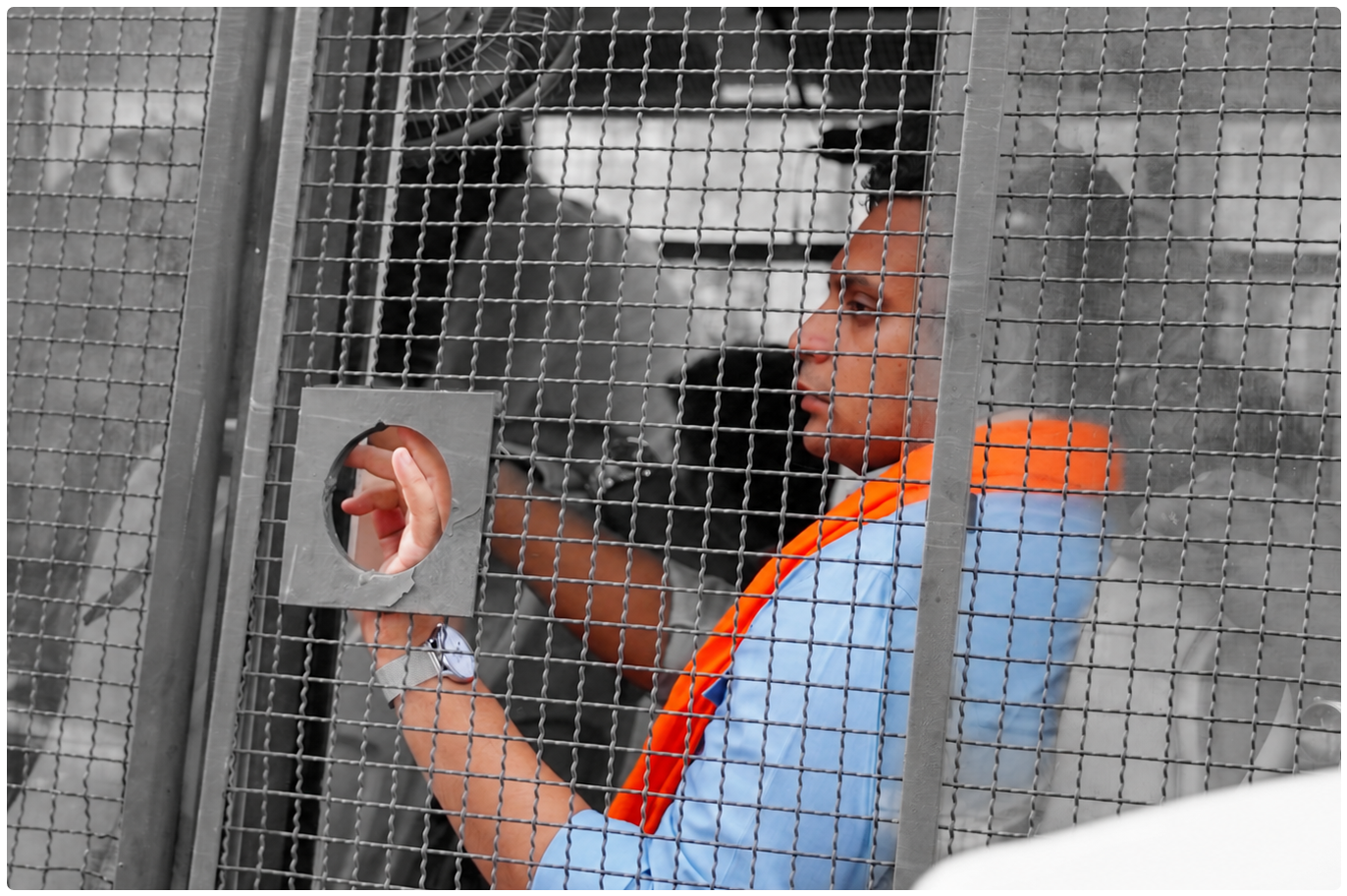
On September 13, Mysuru-Kodagu MP Yaduveer Krishnadatta Chamaraja Wadiyar was detained along with BJP leaders protesting outside the T. Narasipura police station. The confrontation began after a police inspector was recorded warning Ganesha festival organisers about taking their procession past a mosque and bursting crackers there. The Mysuru police subsequently clarified that there was no ban on the traditional procession route and that organisers could use the same route as before, provided they informed the authorities so security could be arranged. But by then, the clarification had come a little too late to matter. The controversy had already exploded, the images were already circulating, and the political narrative had already been set.
Yaduveer is not merely another BJP MP being bundled away from a protest. He is the head of the Mysore royal family, and in Mysuru that distinction carries a weight that is difficult to understand from outside.
The Wadiyars are not remembered there simply because they once occupied a palace. Their name is attached to much of the story of modern Mysuru and, in important ways, modern Karnataka itself. Under Nalwadi Krishnaraja Wadiyar IV, Mysore became one of the most progressive princely states in India. The University of Mysore was established in 1916 through the efforts of the Maharaja and his Diwan, Sir M. Visvesvaraya. It became Karnataka's first university and one of the earliest universities in India outside direct British-administered territory.