A Copa Airlines passenger jet struck a UPS cargo plane while taxiing at Miami International Airport on Saturday night, leaving two people with minor injuries and triggering a federal investigation. The collision came barely 24 hours after a nationwide air traffic control failure forced the United States to temporarily halt departing flights.
The aircraft were moving in different directions through the airport at approximately 9:15 pm on November 14. Copa Flight 427 had arrived from Panama City, Panama, and was heading towards its gate. UPS Flight 358, a cargo service bound for Bogotá, Colombia, was preparing to depart.
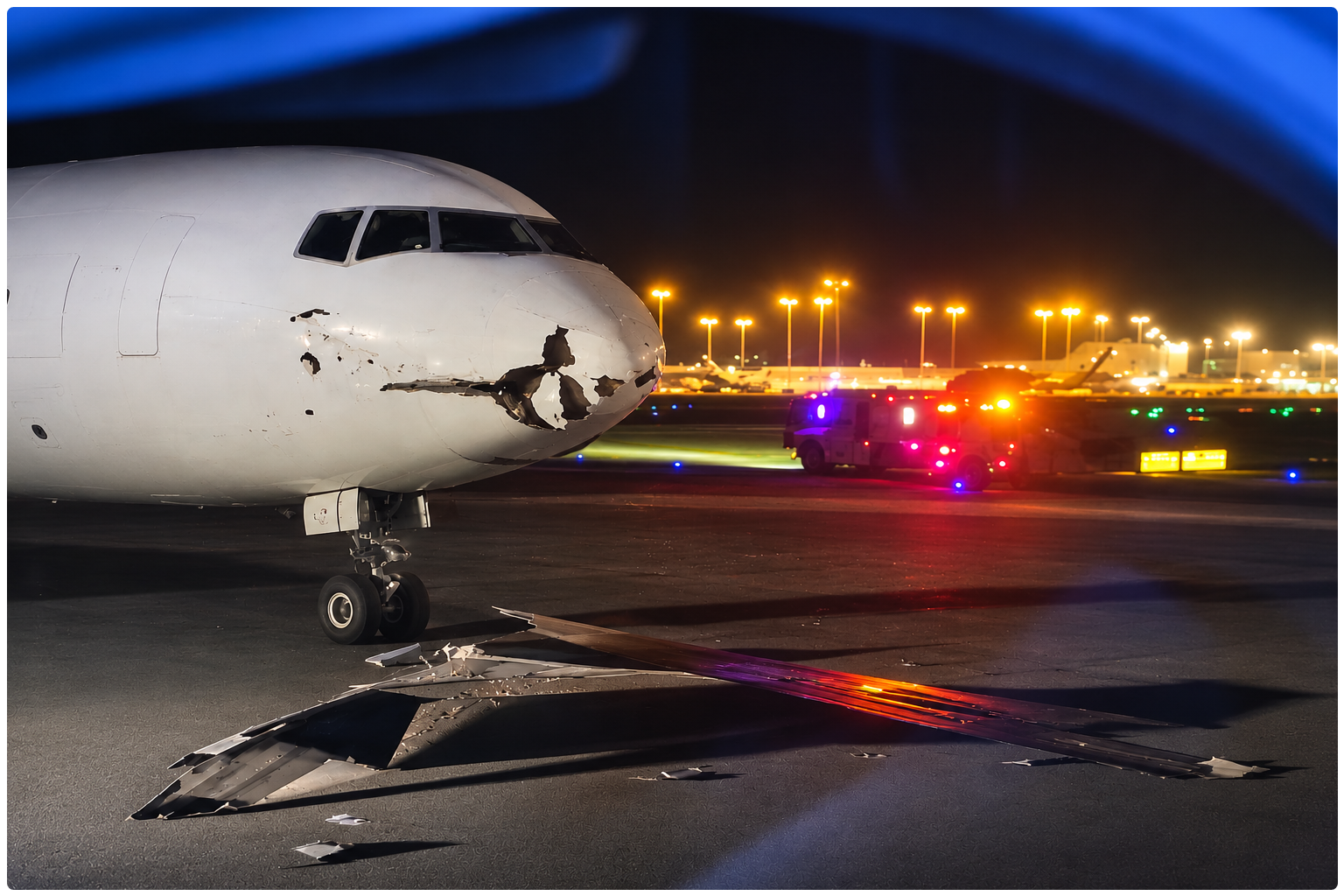
According to the Federal Aviation Administration's account, the wingtip of the Copa Boeing 737 struck the nose of the UPS Boeing 767. Air traffic controllers had instructed the UPS crew to give way to the approaching passenger aircraft.
Recordings of radio communications captured the confusion immediately afterwards. A pilot reported that another aircraft had struck his plane. The UPS crew subsequently acknowledged that it had moved too far forward before the Copa jet clipped it.
Miami-Dade Fire Rescue attended the scene and treated two people for minor injuries. Neither required transportation to hospital, according to airport officials.
The collision occurred at the intersection of two taxiways, not on an active runway. Airport authorities redirected aircraft through other taxiways and reported no significant interruption to operations from the collision itself.
UPS confirmed that its crew was safe and said it would cooperate with investigators. The FAA has opened an investigation into the circumstances of the accident, including the movements of the two aircraft and the instructions issued by air traffic control.
The incident added an unwelcome complication to a weekend already marked by unusually severe disruption across American aviation.
The collision came a day after a nationwide air traffic control failure grounded departing flights across the United States. The November 13 disruption lasted more than four hours, leaving thousands of flights cancelled or delayed as airlines struggled to restore their schedules.
The ground stop was lifted after more than four hours, but airlines were still dealing with aircraft and crews stranded away from their scheduled locations. Thousands of cancellations and delays continued through Saturday as carriers attempted to restore their networks.
Transportation Secretary Sean Duffy and FAA Administrator Bryan Bedford provided a further update on Saturday, saying the national airspace system had reopened but warning passengers that disruptions would continue while flight schedules recovered.
Investigators have not established any connection between the Miami collision and the previous day's telecommunications failure. The FAA's initial account identifies a ground-movement incident involving two taxiing aircraft, rather than another failure of the national communications network.
That leaves investigators examining what happened during the brief encounter between the UPS aircraft and the arriving Copa jet: whether the cargo plane moved beyond its instructed position, how much clearance remained between the aircraft, and whether any additional circumstances contributed to the collision.
Miami's airport continued operating after the aircraft made contact. For the two flight crews, however, the evening ended with damaged aircraft and an investigation into how a routine taxiing movement brought them into contact.