A Croatian court has approved the extradition of a Ukrainian diving instructor wanted by Germany over the 2022 explosions that severely damaged the Nord Stream gas pipelines beneath the Baltic Sea.
The County Court in Pula ruled on September 18 that Volodymyr Zhuravlov could be surrendered to German authorities. The decision became public on September 24 after it was communicated to prosecutors and his defence team.
The extradition will not take place immediately. Zhuravlov’s lawyers have announced that they will appeal, describing the ruling as politically influenced and maintaining that their client was not involved in the operation.
Zhuravlov was arrested in the Croatian coastal city of Pula on August 19 under a European arrest warrant issued by Germany. German prosecutors refer to him as Vladimir Z. under the country’s privacy rules. He was subsequently placed in detention while the Croatian court considered the extradition request.
German investigators allege that Zhuravlov was a trained diver who belonged to a group responsible for placing explosives on the Nord Stream 1 and Nord Stream 2 pipelines near the Danish island of Bornholm. The devices detonated on September 26, 2022, rupturing three of the four pipeline strings and releasing large quantities of natural gas into the Baltic Sea.
Prosecutors believe the group travelled aboard a yacht rented in Germany using forged identity documents. The vessel allegedly carried professional divers, an explosives specialist, a skipper and military-grade explosives. Zhuravlov is accused of taking part in the dives needed to attach the charges to pipelines lying roughly 80 metres below the surface.
The case has become politically sensitive because German investigators allege that the operation was connected to Ukrainian state entities. Ukraine has denied government involvement, and President Volodymyr Zelenskyy has said that his administration knew nothing about a plan to destroy the pipelines.
Zhuravlov had previously been detained in Poland under the same German warrant. A Polish court refused to extradite him, concluding that the destruction of Russian energy infrastructure during the war could potentially be considered a military act rather than an ordinary criminal offence.
Germany later amended its extradition request to include an allegation related to a war crime involving an attack on civilian infrastructure. The change delayed the Croatian proceedings while the court examined the revised warrant.
The Pula court ultimately accepted Germany’s argument that the allegations were sufficiently serious to justify surrender under the European arrest warrant system. Germany claims jurisdiction because the pipelines terminate at Lubmin in Mecklenburg-Vorpommern and their destruction affected German energy security and public infrastructure.
Another Ukrainian suspect, former military officer Serhii K., has already been extradited to Germany after being arrested in Italy in 2025. German prosecutors accuse him of leading the team that carried out the attack on behalf of Ukrainian state entities. He denies the charges.
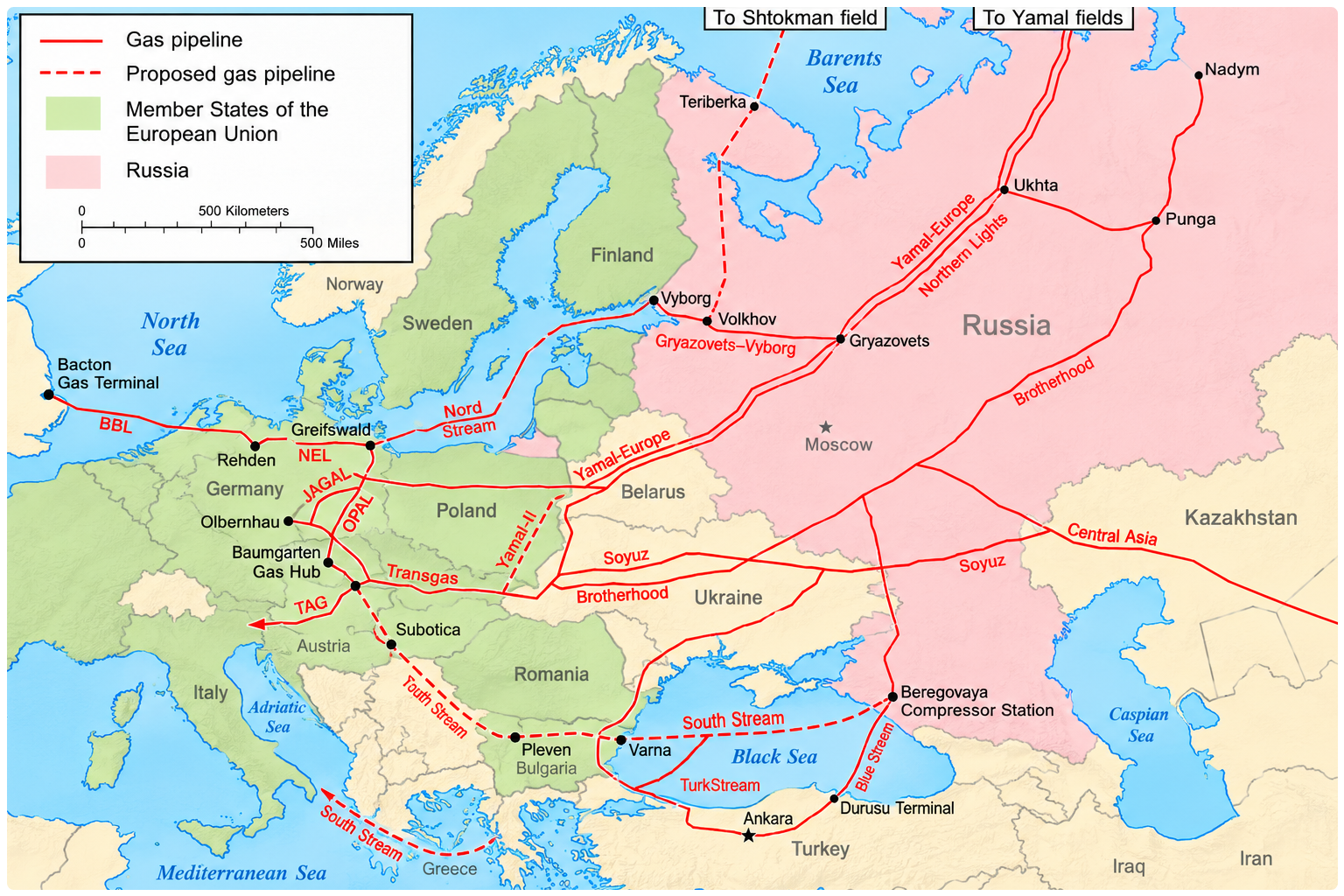
The Nord Stream pipelines were built to transport Russian natural gas directly to Germany. Nord Stream 1 had been a major supply route before deliveries stopped in 2022, while Nord Stream 2 had been completed but never entered commercial service.
The explosions transformed an energy dispute into one of Europe’s most consequential sabotage investigations. Russia has blamed the United States and its allies, allegations Washington has denied. German investigators, meanwhile, have increasingly concentrated on the suspected Ukrainian diving team.
If the Croatian appeal court upholds the ruling, Zhuravlov will be transferred to Germany and brought before an investigating judge. His extradition would give German prosecutors custody of a second alleged member of the group and bring them closer to testing their reconstruction of the Nord Stream operation in court.