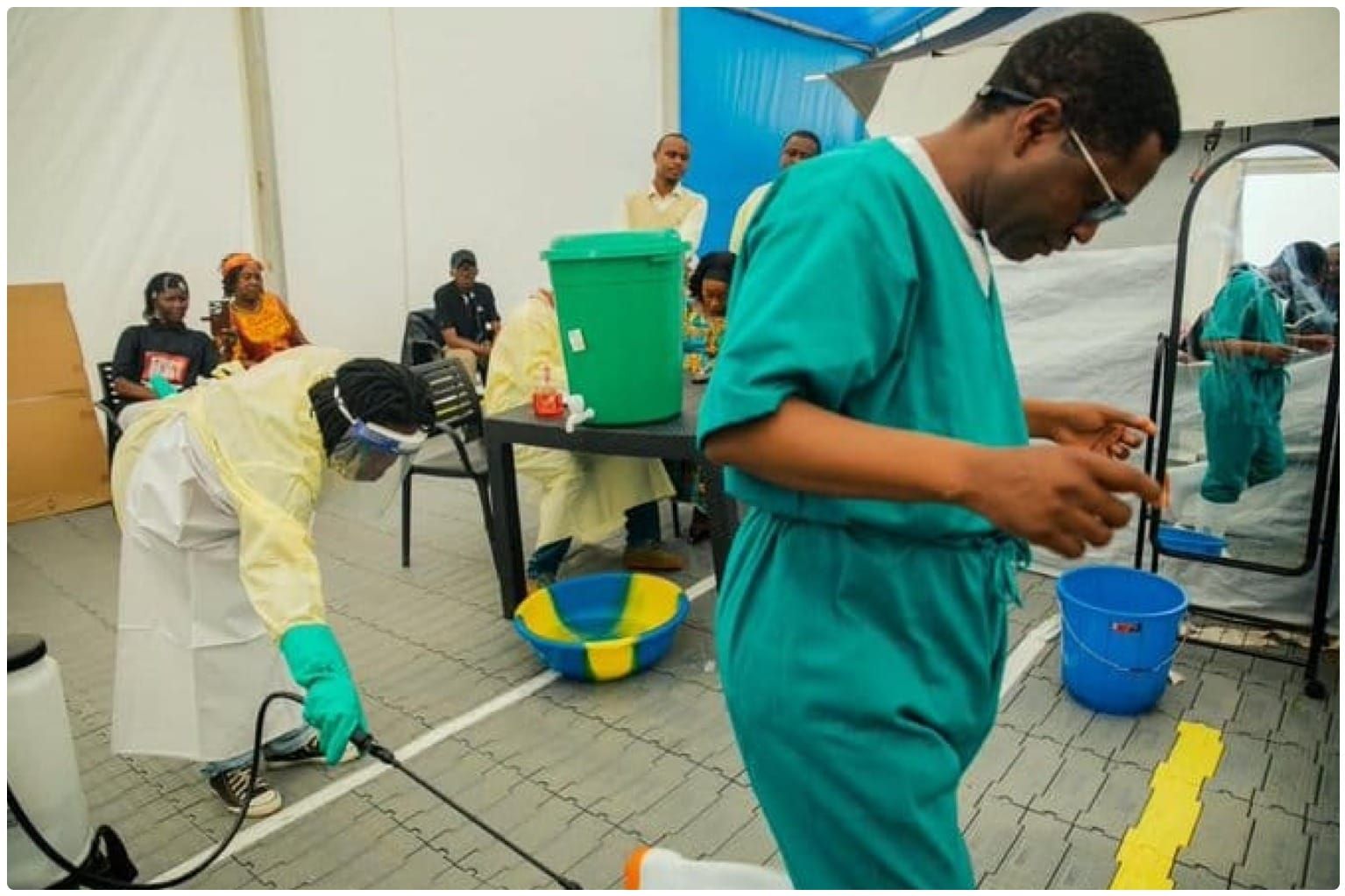
A nurse responding to a suspected Ebola infection in eastern Congo has been killed, while another healthcare worker was seriously injured in an attack that has exposed the dangers facing medical teams working to contain the country's deadliest recorded Ebola epidemic.
The assault occurred on Saturday, 24 October, in Bafwasende, a town in Tshopo province. World Health Organization (WHO) Director-General Tedros Adhanom Ghebreyesus condemned the violence on Sunday, calling for the protection of people providing medical care. WHO Regional Director for Africa Mohamed Yakub Janabi also denounced the attack, warning against fear and misinformation surrounding the disease.
Yesterday, a nurse was killed and a health worker severely injured after they were attacked while responding to an #Ebola alert in the town of Bafwasende, Tshopo province, #DRC. Our deepest condolences go to the family, colleagues and friends of the lost nurse. We also wish a swift and full recovery to his injured colleague who remains hospitalized. Everyone working to protect communities from this deadly disease must be able to work in dignity and safety. Healthcare must always be protected.
— Tedros Adhanom Ghebreyesus (@DrTedros) October 25, 2026
The identities of the attackers and their motives have not been established. Local authorities had not publicly identified suspects when the incident was first reported, leaving unanswered whether the workers were specifically targeted because of their Ebola response activities.
Violence against healthcare personnel has become a recurring obstacle during Congo's epidemic. In its August outbreak assessment, the WHO documented 12 attacks on healthcare since the declaration of an international public health emergency in May, with further incidents awaiting verification. Some attacks have prevented medical teams from entering affected communities, disrupted surveillance and discouraged people from seeking treatment.
The consequences extend beyond the immediate victims. Ebola response teams must identify suspected infections, monitor people who have been exposed and arrange safe burials when patients die. Interruptions to these activities can allow undetected transmission to continue, particularly in communities where access to healthcare is already limited.
Mistrust has added another difficulty. A WHO briefing on the Bundibugyo outbreak documented community denial of the disease and accusations that healthcare workers were financially benefiting from the emergency. It also recorded attacks against medical personnel involved in promoting safe burial practices. These concerns illustrate the importance of working with trusted local representatives rather than relying exclusively on emergency restrictions.
The attack comes amid a rapidly expanding epidemic. According to the WHO's 23 October situation update, the Democratic Republic of the Congo had recorded 9,704 confirmed infections and 4,687 deaths as of 20 October. Cases had reached 66 health zones across eight provinces, with Ituri and North Kivu bearing the greatest burden.
The outbreak is caused by Bundibugyo virus, for which no specifically licensed vaccine or approved antiviral treatment is available. Early diagnosis, supportive medical care and prompt identification of contacts remain central to controlling transmission. Even before the latest attack, contact monitoring was falling short of the WHO's operational target, with approximately 80% of identified contacts reached in the most recent reporting period.
Congo's emergency has also crossed international borders. Nigeria confirmed an imported case on 20 October, joining Kenya and other affected countries. The arrival of Ebola in Nigeria prompted renewed contact tracing and hospital infection-control measures.
For healthcare workers in Bafwasende and other affected communities, protection from violence is now inseparable from disease prevention. Investigators must establish who carried out Saturday's attack, while public health authorities face the immediate task of maintaining essential services without exposing staff and patients to further harm.