The Delhi High Court has refused to immediately restrain OpenAI from using content owned by news agency ANI while hearing an appeal in one of India’s most important copyright battles over artificial intelligence.
A division bench of Justices Avneesh Jhingan and Manmeet Pritam Singh Arora declined on Tuesday to pass an ex parte order against OpenAI, saying it would not grant relief without first hearing the company’s side. The court has sought OpenAI’s response and will take up the matter again in December.
The decision does not settle the copyright dispute. Instead, it leaves in place for now a July 24 ruling that was widely seen as a major victory for AI developers in India.
That earlier judgment, delivered by Justice Amit Bansal, rejected ANI’s request for an interim injunction and held, on a prima facie basis, that OpenAI’s storage and use of ANI’s literary works for training large language models could fall within the “fair dealing” exception under Section 52(1)(a) of India’s Copyright Act.
The judge treated the use as “private or personal use, including research” and found that ANI had not shown that ChatGPT’s outputs substantially reproduced its copyrighted articles. He also concluded that AI training did not necessarily substitute ANI’s products in the market and said an injunction could cause harm not only to OpenAI but also to the wider public interest in AI development.
ANI is now challenging that interpretation.
The news agency argues that Indian copyright law contains specific and limited exceptions, unlike the broader American doctrine of fair use. It says commercial-scale scraping, storage and exploitation of copyrighted work cannot simply be treated as “private” research because an AI system is learning from it. ANI has also argued that the ruling effectively expands Section 52 beyond what Parliament intended.
The original case, filed in 2024, was the first major Indian lawsuit to directly test whether generative AI companies can train models on copyrighted journalism without a licence.
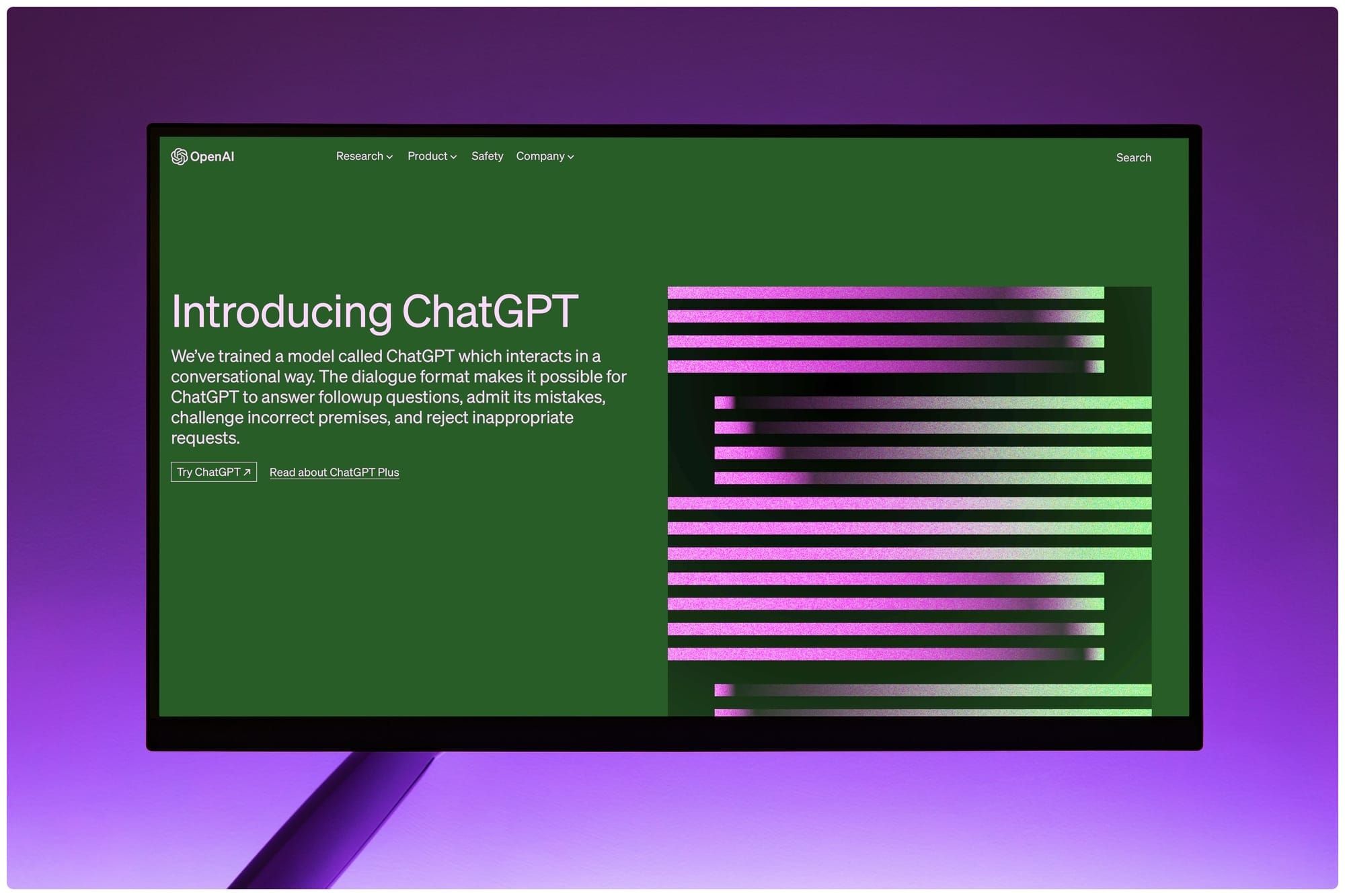
ANI has alleged that OpenAI used its articles and other material to train ChatGPT and that the system sometimes reproduced or falsely attributed material to the agency. Before litigation, ANI had reportedly offered OpenAI a licence covering its digital, video, photographic and news content for $7.5 million.
OpenAI, meanwhile, has maintained that its models do not retain access to the original training data after the training process and has said ANI’s domain was blocklisted from future training from 2024 onward.
That is what makes the appeal consequential far beyond the two companies.
If the July ruling survives, AI developers operating in India may gain significant legal protection for using copyrighted material in model training without negotiating individual licences. If it is overturned, publishers and other rights-holders could gain far stronger leverage to demand payment, consent or restrictions.
For now, neither side has won the final argument.
The court has simply refused to stop OpenAI before hearing it.
The real question whether Indian copyright law permits commercial AI systems to learn from copyrighted works without permission remains unresolved.