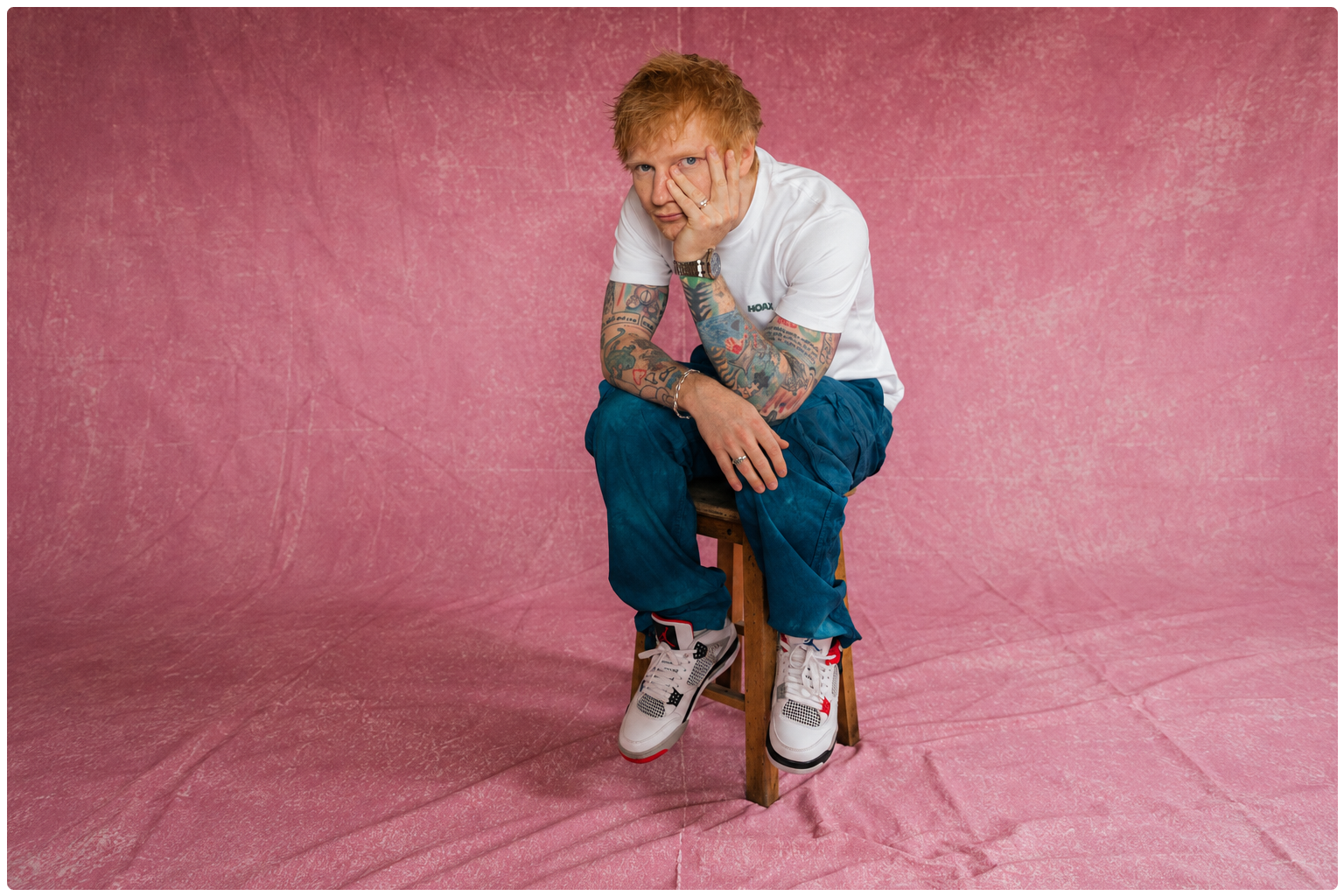
Ed Sheeran’s North American tour has become one of the music industry’s most visible flashpoints over Gaza after rapper Macklemore was removed from the lineup following pro-Palestinian remarks on stage, prompting other supporting acts to quit and forcing Sheeran into a controversy he had initially tried to avoid.
The row began after Macklemore used his set at MetLife Stadium in New Jersey earlier this month to say “Free Palestine” and perform “Hind’s Hall,” his protest song named after Hind Rajab, the five-year-old Palestinian girl killed in Gaza in 2024. His performance included imagery from Gaza and pro-Palestinian demonstrations.
The remarks triggered objections from some owners of stadiums scheduled to host later dates on Sheeran’s Loop Tour. Macklemore said several venues threatened to cancel shows if he remained on the bill. Gillette Stadium owner Robert Kraft, a prominent supporter of Israel, was among those who objected, citing what he described as a broader history of rhetoric he considered antisemitic. Macklemore said his criticism was directed at Israeli government policy rather than Jewish people.
Soon after, promoter Messina Touring Group announced that Macklemore would no longer perform on the remaining tour dates. Sheeran later said the decision was not his, stressing that Macklemore’s contract was with the promoter and that he had tried to help mediate between the rapper, promoters and venue owners.
The fallout then widened. Finneas, Lukas Graham, Aaron Rowe and Irish band Beoga all withdrew from upcoming shows, citing solidarity with Palestinians or objections to Macklemore’s removal. That left Sheeran performing in Philadelphia on September 19 without his usual opening acts or backing band.
At that concert, Sheeran addressed Gaza directly for the first time in such explicit terms. He said the scale of civilian suffering had broken his heart and described the situation in Gaza as “catastrophic and unjustifiable” as well as “disproportionate.” He also referred to the October 7, 2023 Hamas attack on Israel and to what he called injustices in the West Bank, framing his position around civilian suffering on both sides.
His remarks did not end the controversy. Some pro-Palestinian activists argued that Sheeran should have defended Macklemore more forcefully from the start, while others accepted his explanation that the removal was driven by promoters and venue owners. Outside the Philadelphia show, demonstrators carrying Palestinian flags called for stronger public opposition to Israel’s actions in Gaza.
At the same time, some concertgoers told reporters that they believed the shows should remain focused on music rather than politics, reflecting the divide that now surrounds the tour.
The dispute has therefore become about more than Ed Sheeran or Macklemore. It raises a larger question facing the entertainment industry: who ultimately decides what artists can say onstage when political speech collides with the commercial interests of promoters, stadium owners and sponsors?
For Sheeran, an artist who has generally tried to keep his concerts outside overt political battles, the Gaza war has made that neutrality increasingly difficult to maintain.