The cranes above an Amsterdam data-centre project became protest platforms on Friday after activists crossed the construction site’s perimeter, occupied parts of the development and forced work to stop. Outside the fence, a wider demonstration was examining the same building through a different lens: how much electricity, water and urban space should be committed to Europe’s expanding artificial-intelligence infrastructure.
More than 100 activists entered the Westpoort site on November 6, with some climbing a crane and unfinished structures. Police later cleared the premises. The project is being developed by Pure Data Centres and is intended for Microsoft, although the technology company does not own the construction site.
Over 100 activists just breached a Microsoft data centre construction site in Amsterdam, scaling cranes and unfurling anti-AI banners. This isn’t an isolated incident, it marks the start of a 48-hour wave of coordinated protests spanning 16 countries. The conversation around AI is undergoing a massive shift: the battleground has officially moved from digital ethics and software risk to hard physical resources. ⚡️🌍 Here is why this is happening, and what it means: 1. The Physical Cost of “The Cloud” 🏗️ For years, the tech sector pitched cloud computing and AI as frictionless, virtual tools. But hyperscale AI infrastructure runs on physical reality: • The Energy Crunch: Training and running large-scale frontier models demands hundreds of megawatts per cluster. Activists argue these facilities monopolise renewable capacity and risk delaying the broader green transition. • Potable Water Draw: Cooling racks of high-density GPUs takes millions of litres of water daily. In regions managing seasonal drought or depleted aquifers, cooling compute chips directly competes with local water utilities. • Land & Living Space: In dense European metros like Amsterdam, Dublin, and Frankfurt, zoning land for massive server warehouses squeezes out housing and local industry, while offering relatively few long-term jobs once built. 2. Not Just Anti-Tech, A Push for Policy 🛑 The coalition behind these actions isn’t just staging random disruptions. Groups under banners like Stop Dirty Data Centres are demanding statutory moratoriums. Their argument ??? Governments shouldn’t hand out permits faster than municipal power grids, cooling water systems, and local communities can sustainably accommodate them. 3. The Other Side of the Coin ⚖️ Halting or blocking infrastructure isn’t a silver bullet: • Modern society, from advanced climate modelling and disaster forecasting to healthcare logistics, depends on high-performance computing. • Blanket local bans rarely stop compute consumption; they often just shift server farms to regions with weaker environmental regulations and dirtier coal-heavy grids. • Hyperscalers are currently among the biggest corporate purchasers of clean energy and pioneers in closed-loop, zero-water cooling. Yet, the sheer scale of global AI demand is testing those efficiency gains to their limit. The Big Takeaway 💡 AI infrastructure has officially joined the ranks of airports, highway corridors, and power plants. The future pace of artificial intelligence will not be decided solely in silicon labs or model weights, it will be negotiated in municipal planning boards, power grid queues, and local water permits. Can the AI boom genuinely scale without compromising local ecological limits, or are strict moratoria inevitable ??? 👇🏻 #AI #DataCentres https://t.co/2SIHQBf7vK
— Akshay Lingwal (@rudy_akshay) November 7, 2026
The occupation was organised by Dutch climate and justice group Geef Tegengas. It coincided with a demonstration connected to the Stop Dirty Data Centres campaign, which scheduled actions across Europe for November 6 and 7. The campaign’s participating organisations remained outside the Amsterdam site, making the occupation a related but separate action.
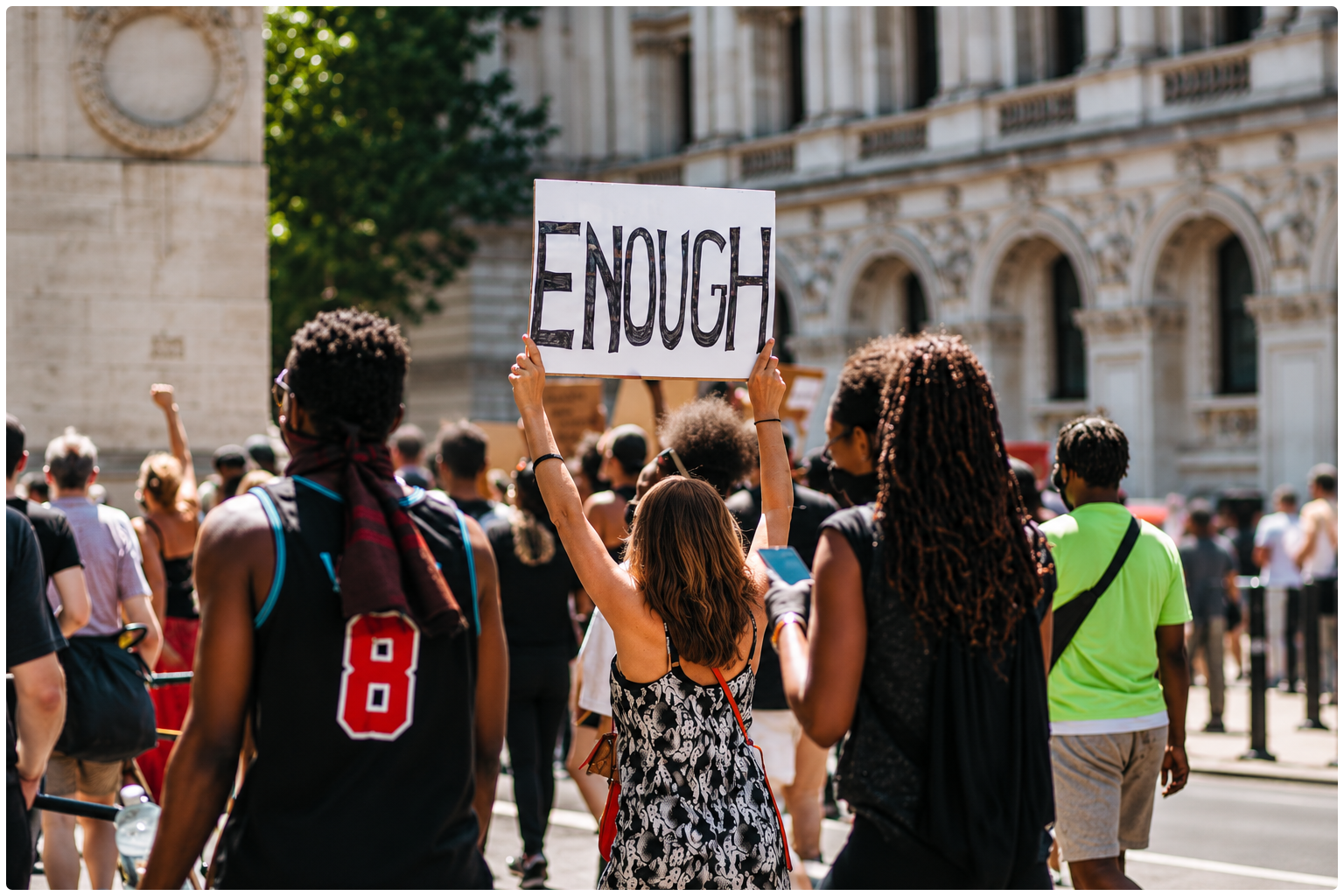
Demonstrations were also held or announced in cities including Berlin, Bristol, Warsaw and Zagreb, with further events listed across Ireland, Denmark, Finland, France, Italy, Spain and the United Kingdom. The coalition is seeking a temporary halt to new large data centres until their environmental and social effects receive greater scrutiny.
Electricity demand lies at the centre of the dispute. An EU assessment published in September estimated that data centres consumed 68 terawatt-hours of electricity across the bloc in 2024. Consumption could reach 114 terawatt-hours by 2030, equivalent to approximately 3.2 per cent of EU electricity demand.
That growth does not produce identical consequences everywhere. A facility’s environmental burden depends on the electricity supplying it, the efficiency of its servers and cooling systems, local water conditions, grid capacity and whether waste heat is recovered. Treating every data centre as equally damaging obscures those differences, but the absence of accessible project-level information can also prevent communities from assessing them.
The Amsterdam project has become a focal point because it predates the city’s tighter restrictions. Municipal policy now applies a “no, unless” approach to new data centres because of their demands on electricity, water and scarce urban space. The city’s revised location policy nevertheless allows several projects already in the planning pipeline to continue.
Dutch government answers to parliamentary questions state that the Westpoort development received its original building and operating permission following a 2019 application, before national hyperscale restrictions took effect. The project falls outside the legal hyperscale definition because its built floor area remains below the stipulated threshold, despite its substantial power capacity.
Europe is pursuing two goals that increasingly occupy the same electricity grid. The European Commission wants to at least triple EU data-centre capacity within five to seven years, strengthening domestic cloud and AI infrastructure. It is simultaneously developing a rating system and possible minimum performance standards covering energy, water, renewable power and recovered heat.
The Amsterdam confrontation shows why efficiency standards alone may not settle the argument. Regulators are asking how facilities perform after they are approved. Protesters are asking an earlier question - who decides whether they should be built at all?