At least 73 civilians have been wounded in a wave of Houthi attacks on Saudi Arabia, as escalating fighting inside Yemen threatens to dismantle a fragile period of relative calm that had largely held since 2022.
The Saudi-led coalition fighting in Yemen said on Tuesday that the Iran-backed group had targeted civilian and economic facilities across four cities in southern Saudi Arabia: Abha, Khamis Mushait, Jazan and Najran.
The wounded included women and children, according to coalition spokesman Major General Turki al-Malki.
Al-Malki described the attacks as a “dangerous escalation” and said the coalition would take all necessary operational measures to deter further Houthi strikes and protect Saudi territory.
The Houthis said the attacks were retaliation for what they described as a Saudi strike on a prison in Yemen's northern Jawf province.
The latest cross-border attacks come amid a broader and increasingly dangerous escalation in Yemen.
Houthi forces launched a major offensive last week across front lines in western Taiz and southern Hodeidah, using ballistic missiles, drones and artillery while ground forces attempted to seize government-controlled territory near the Red Sea coast.
The fighting has centred around areas west of Taiz and near the strategic port city of Mokha.
Government officials say the Houthis are seeking control of high ground overlooking Mokha and the Bab al-Mandeb Strait, one of the world's most important maritime chokepoints connecting the Red Sea with the Gulf of Aden.
More than 120 fighters were reported killed in the first days of the offensive, while civilians have also been killed and wounded.
The internationally recognised Yemeni government responded by deploying its own warplanes against Houthi positions, a significant development in a conflict where government forces have historically relied heavily on Saudi-led coalition air power.
Government aircraft carried out at least 15 strikes against Houthi positions, vehicles and troop concentrations in Taiz and Hodeidah on Friday.
The renewed fighting represents one of the most serious challenges yet to the relative calm that followed the UN-mediated truce reached in April 2022.
Although the agreement formally expired six months later, it dramatically reduced large-scale fighting between the Houthis and forces aligned with Yemen's internationally recognised government. Front lines remained largely frozen while Saudi Arabia pursued negotiations aimed at finding a political settlement.
No permanent peace agreement was ever reached.
The current escalation began gathering pace earlier this year before intensifying sharply in July, when the Houthis declared a naval blockade against Saudi Arabia and began launching attacks on Saudi-linked shipping and infrastructure.
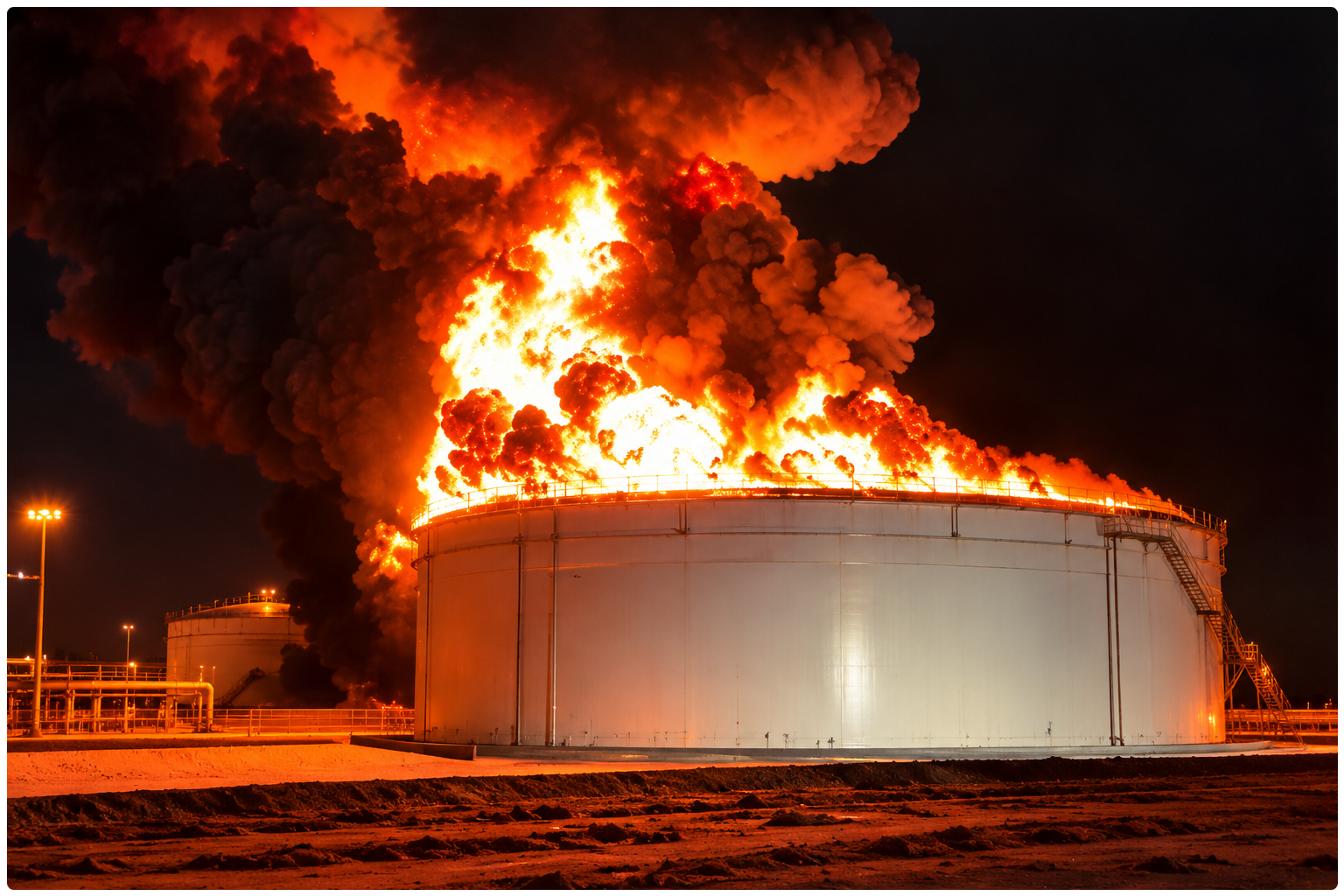
Saudi oil infrastructure has increasingly become a target.
Facilities around Jazan, which hosts a major Saudi Aramco refinery capable of processing approximately 400,000 barrels of crude per day, have been struck during the latest confrontation. Houthi attacks have also targeted Saudi vessels in the Red Sea.
The fighting has raised concerns that Saudi Arabia could once again become directly drawn into a major military campaign in Yemen.
Riyadh led a coalition that intervened in the civil war in 2015 after the Houthis seized Sanaa and drove the internationally recognised government from the capital. Years of coalition air strikes failed to defeat the group and contributed to a devastating humanitarian crisis.
The United Nations is now warning that Yemen risks sliding back into sustained large-scale war.
UN Special Envoy for Yemen Hans Grundberg said the latest Houthi attacks across several front lines had triggered increasingly intense clashes and called the situation an “extremely alarming development.”
He urged all sides to halt hostilities and warned that renewed warfare would have grave consequences for civilians and make an already difficult political settlement even harder to achieve.
The attacks inside Saudi Arabia significantly raise those stakes.
What began as renewed clashes between the Houthis and Yemeni government forces is increasingly spilling across Yemen's borders, threatening Saudi cities, energy infrastructure and shipping routes around the Red Sea.
After four years in which Yemen's civil war appeared largely frozen, the latest violence is raising the prospect that one of the Middle East's longest-running conflicts could be returning to full-scale war.