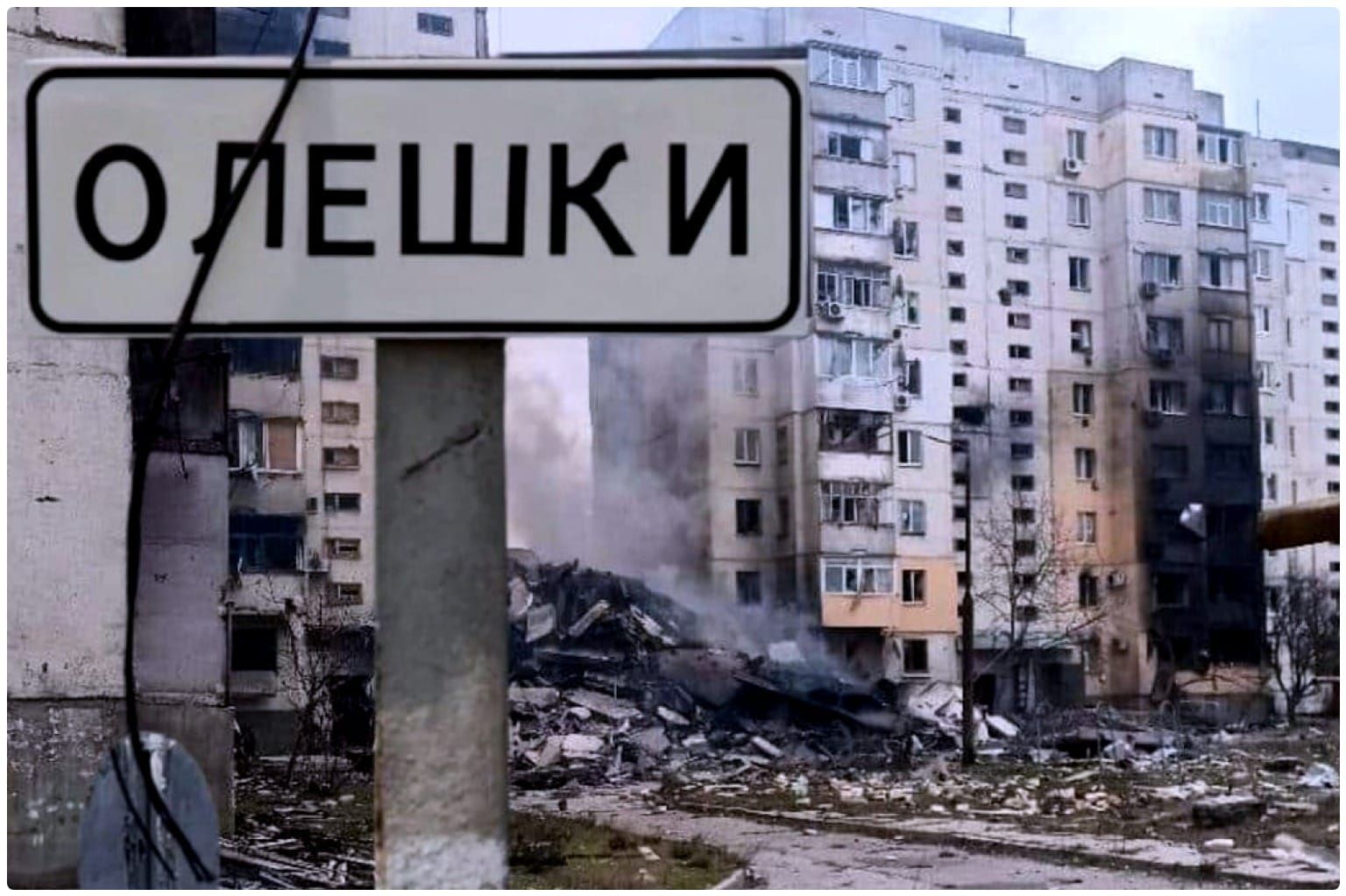
For the remaining residents of Oleshky, a town largely cut off from the outside world by more than four years of war, the immediate promise of a ceasefire is a supply of food and medicine, followed by the possibility of leaving safely. At 3am on Tuesday, October 27, Ukrainian time, Russia and Ukraine began a narrowly defined suspension of hostilities to make that possible.
The agreement applies to the Russian-controlled town in southern Ukraine's Kherson region, across the Dnipro River from Ukrainian-controlled Kherson. It does not extend to the wider front line, where fighting continues.
Unlike earlier proposals to reduce attacks on military or energy infrastructure, the Oleshky arrangement has a specifically civilian purpose. The two sides have agreed to facilitate humanitarian deliveries, clear dangerous routes and prepare evacuations for residents who wish to leave.
The agreement emerged from an unusual diplomatic channel involving US First Lady Melania Trump, who worked with Russian and Ukrainian representatives to establish the terms of the operation.
In its October 23 announcement, the White House described her as an intermediary between the two governments. Her involvement followed discussions about Oleshky's humanitarian conditions during the United Nations General Assembly in New York.
The subsequent timetable was settled directly between the parties. Ukrainian parliamentary human rights commissioner Dmytro Lubinets confirmed talks with Russian representative Yana Lantratova, establishing simultaneous implementation at 3am in Kyiv and 4am in Moscow.
The Ukrainian military reaffirmed that schedule on Monday evening. A statement published by the Kherson regional administration said the pause was intended exclusively for humanitarian operations and warned against circulating unverified information about evacuation routes, convoy movements or timings.
Oleshky has remained under Russian control since the opening weeks of the invasion in February 2022. Its isolation deepened after the destruction of the Kakhovka dam in June 2023, which flooded large areas of the town and surrounding settlements.
The White House estimates that between 1,700 and 2,000 residents remain, predominantly older people, alongside approximately 50 children. Before the invasion, Oleshky had roughly 24,000 inhabitants. The present figures are estimates rather than a recent population count.
According to the American account, civilian representatives from both countries are expected to assess residents' needs and arrange transportation for those seeking evacuation. The proposed arrangements would allow people to choose whether to travel towards Ukrainian-controlled territory or Russia.
The ceasefire also comes amid competing accusations over attacks around Oleshky. Moscow has alleged that Ukrainian artillery and drones struck the area before the truce.
Kyiv has previously proposed other forms of limited restraint, including a reciprocal halt to attacks on energy infrastructure. The Oleshky agreement is narrower, with its immediate success dependent on safe access, actual aid deliveries and the voluntary movement of civilians.
The two governments have agreed to suspend fire. Whether that agreement produces safe passage for Oleshky's remaining residents will be established by what happens on the ground.