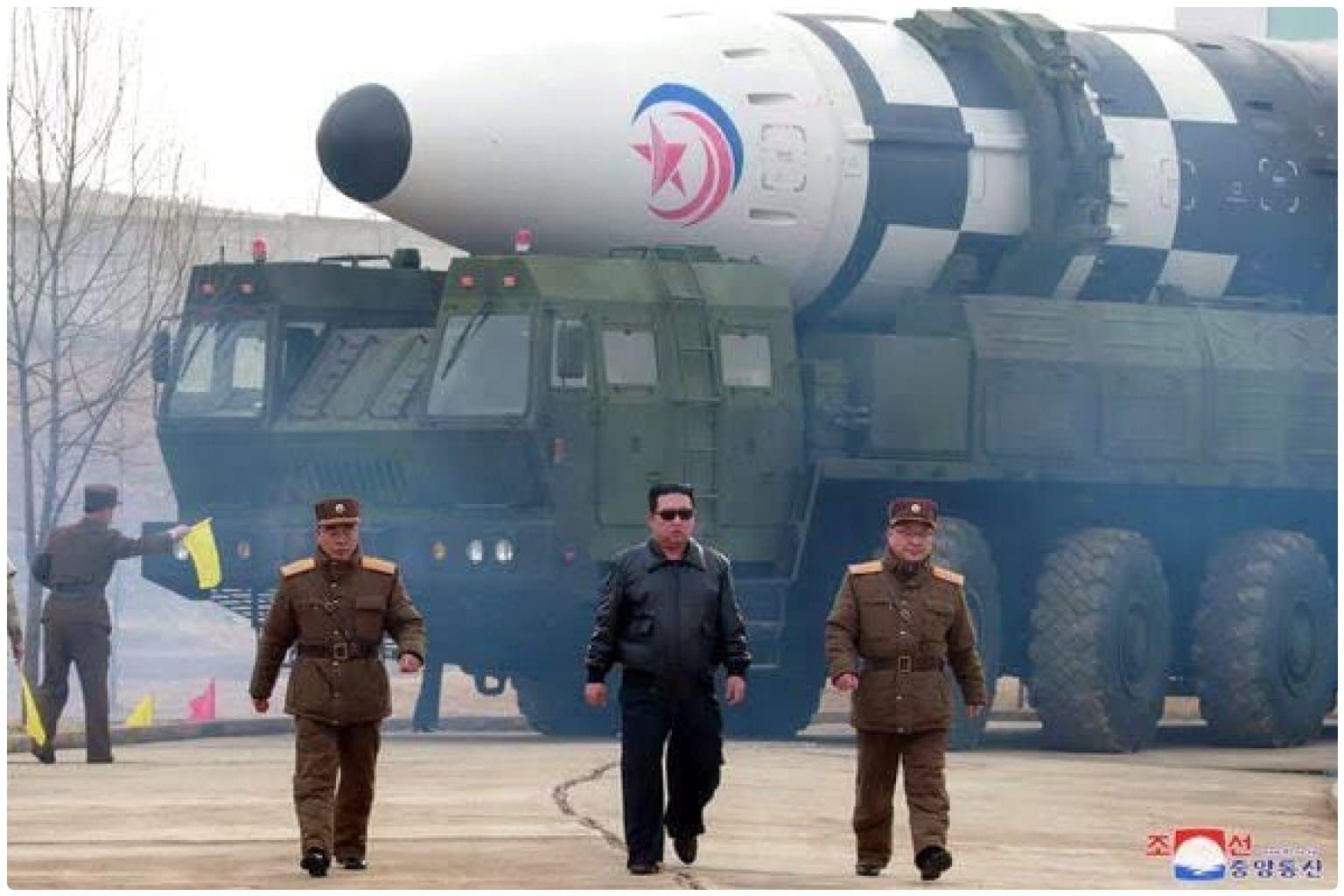
North Korea has accused Seoul of preparing for nuclear confrontation under the protection of the United States, turning a United Nations disarmament debate into another confrontation between the two governments. The exchange came as South Korea sought international support over a deadly serious border dispute involving landmines, military fortifications and competing interpretations of the armistice separating the Korean Peninsula.
During an October 23 meeting of the UN General Assembly’s First Committee in New York, Pyongyang questioned whether South Korea intended to develop nuclear weapons of its own or participate in an American nuclear attack against the North. Its representative portrayed the annual US–South Korea military exercises as preparations for war, rejecting Seoul’s description of them as defensive operations.
South Korea had not planned to intervene in that portion of the proceedings. Its delegation nevertheless exercised its right of reply, arguing that military cooperation with Washington was necessary because of North Korea’s expanding nuclear arsenal and ballistic missile capabilities.
The South Korean representative also rejected Pyongyang’s claim that its weapons programme contributed to regional stability. North Korea's nuclear and ballistic missile development violates multiple UN Security Council resolutions, while Seoul maintains that its alliance with Washington is intended to deter an attack rather than initiate one.
The latest exchange follows weeks of increasingly hostile statements about the heavily fortified border. On September 21, a landmine explosion inside the Demilitarised Zone injured three South Korean soldiers. Seoul accused North Korean troops of deliberately placing the device south of the Military Demarcation Line, the boundary established under the 1953 armistice.
South Korea subsequently presented its findings to the United Nations, citing a joint investigation with the United Nations Command. At the October 8 First Committee debate, South Korean representatives described the incident as an armistice violation and demanded an apology.
Pyongyang rejected responsibility, accusing Seoul of using the explosion to obstruct its border construction activities. The North has been reinforcing sections of the frontier with fences, mines and other defensive structures as it pursues a policy of permanent separation from South Korea.
Disagreement over where those fortifications can legally be built has become particularly dangerous. The United Nations Command’s assessment of border enforcement explains that defensive construction north of the demarcation line is permitted, while placing mines or military positions across it constitutes a violation. With soldiers working close to the boundary, a mistaken crossing can provoke warning shots and retaliation.
Seoul has attempted to prevent such encounters from becoming a larger confrontation. On October 23, it proposed military talks with North Korea to clarify border arrangements, restore communication and reduce the possibility of accidental clashes. Pyongyang has shown little willingness to resume bilateral dialogue.
President Lee Jae Myung’s approach remains built around coexistence and gradual restoration of trust. In his September address to the UN General Assembly, he called for renewed communication and a longer-term effort towards a nuclear-free Korean Peninsula.
North Korea has moved in the opposite direction, treating South Korea as a hostile state rather than a partner in eventual reunification. Its latest intervention at the UN reinforced that position while challenging the legitimacy of Seoul’s reliance on American nuclear deterrence.
The immediate danger lies along the border, where armed personnel, landmines and expanding fortifications have created repeated opportunities for confrontation. Diplomatic exchanges in New York have exposed how little common ground remains for resolving those incidents before another soldier is injured or a warning shot produces a more serious military response.