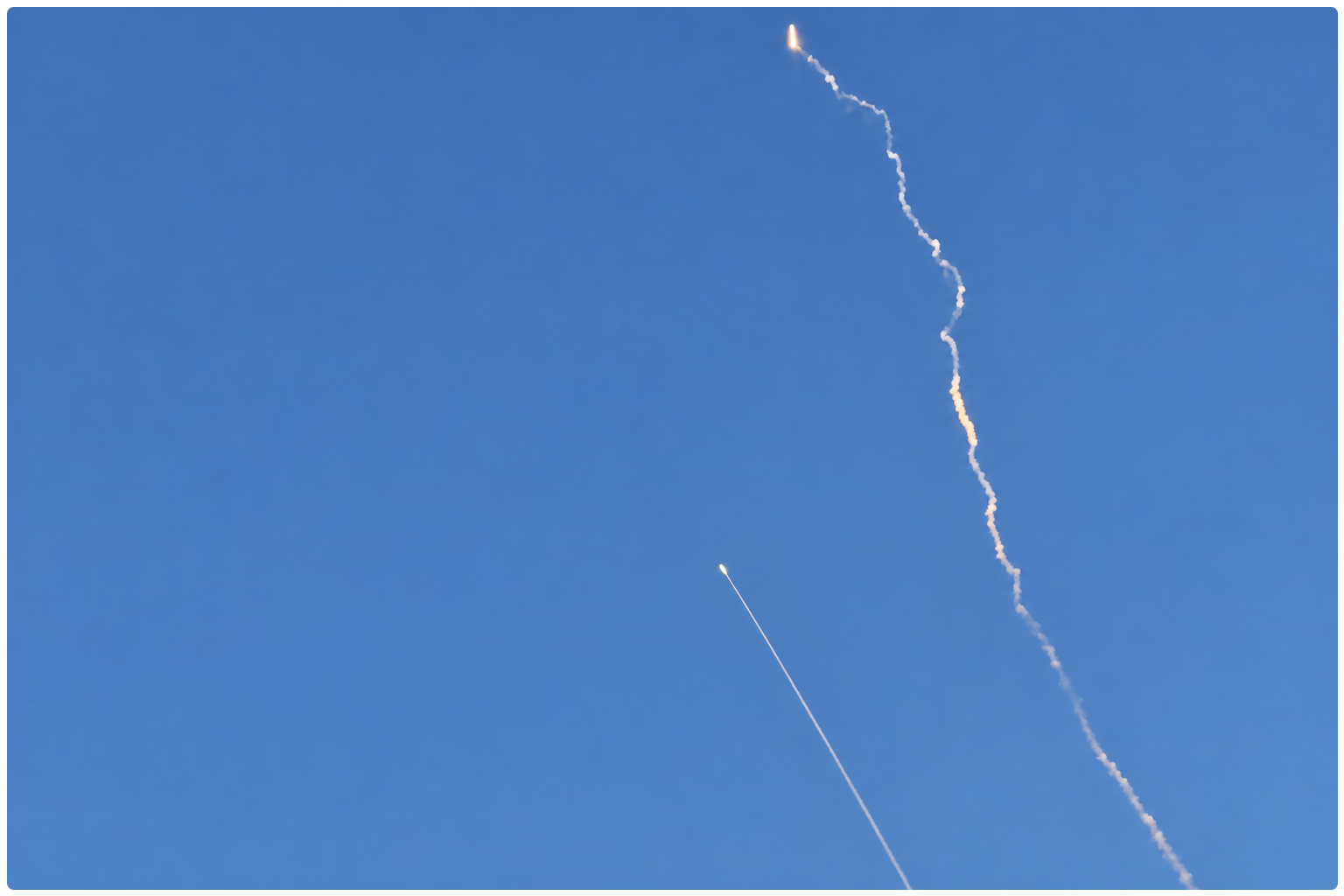
Saudi Arabia's air defences have intercepted three ballistic missiles and four drones launched from Yemen, according to the Saudi-led military coalition, as renewed fighting with the Houthis brings missile attacks, civilian casualties and retaliatory airstrikes back into the conflict.
The coalition said the latest interceptions occurred over the kingdom's eastern and southern regions. Saudi Civil Defence issued warnings in the Eastern Province and Al-Kharj before announcing that the immediate danger had passed. The military has not disclosed the interceptor systems used, the precise locations of every engagement or whether debris caused damage.
The reported barrage follows several days of attacks across Saudi Arabia. On October 25, the coalition announced the interception of ballistic missiles directed towards Riyadh, Taif and Yanbu. It separately reported destroying ten ballistic missiles launched towards the southern region, demonstrating the scale of the aerial threat Saudi forces have been confronting.
The interceptions have not prevented civilian harm. On Sunday, fragments from two intercepted Houthi ballistic missiles fell in Khamis Mushait and Ahad Rafidah. The Saudi Civil Defence Directorate confirmed that a Saudi citizen and an Asian resident were injured, while three residential buildings and seven vehicles sustained damage.
Such incidents expose a limitation of missile defence. Destroying an incoming weapon before it reaches its intended target can prevent a direct strike, but missile fragments and interceptor debris may still fall over populated areas. The coalition has not published sufficient engagement data to independently assess the effectiveness of individual interceptions.
Saudi Arabia has also intensified offensive operations inside Yemen. In an October 26 military statement, coalition spokesperson Major General Turki Al-Malki said Saudi-led forces had targeted Houthi military infrastructure, including five tunnels allegedly used to store ballistic missiles, four launchers and a missile storage facility.
The coalition said the operation was conducted in self-defence and aimed at disrupting the group's missile capabilities and supply lines. Those claims describe the intended and reported results of Saudi operations; independent assessments of the destroyed equipment and any civilian casualties have not been made public.
Earlier on October 26, the coalition announced the destruction of two missile launchers in Sanaa, claiming that one had been used to launch a ballistic missile towards Riyadh. Its account did not establish whether the launchers were operational when struck or provide independently verifiable imagery of the damage.
The Houthis, who control Sanaa and substantial territory in northern Yemen, have maintained missile and drone attacks against Saudi targets while resisting the internationally recognised Yemeni government's attempts to regain territory. Their operations have also threatened maritime security around the Red Sea and Bab el-Mandeb Strait.
The current fighting has undermined the relative reduction in cross-border hostilities that followed the 2022 United Nations-brokered truce. The Saudi-led coalition's October 4 statement had already warned of continued Houthi attacks against Saudi cities, infrastructure and shipping.
Saudi Arabia's immediate military task remains the interception of incoming weapons. Its wider campaign is directed at reducing the Houthis' ability to launch them. Whether the latest strikes have materially weakened those capabilities cannot be determined from the coalition's statements alone.