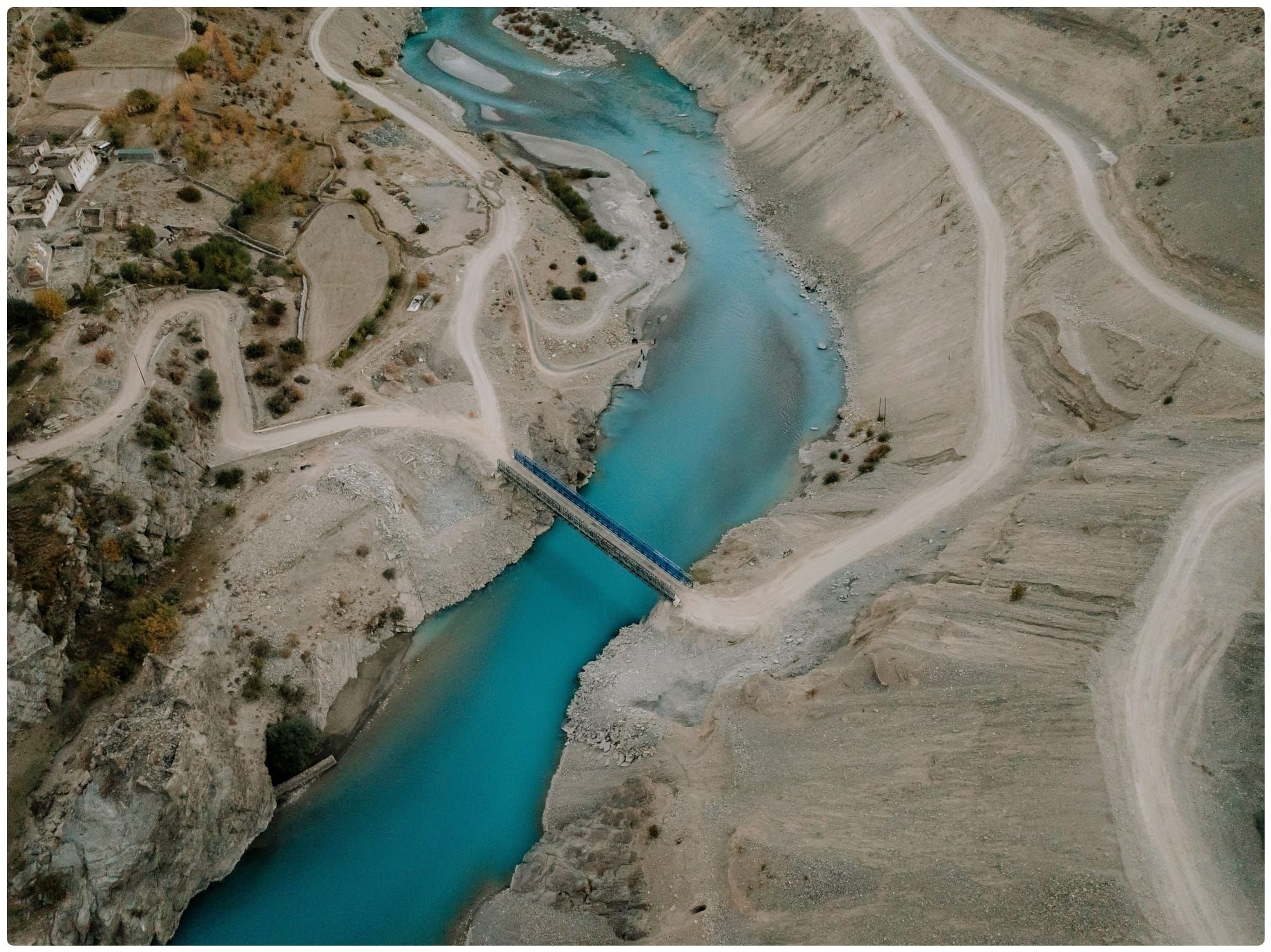
India has rejected a ruling by an arbitration court at The Hague concerning the decades-old Indus Waters Treaty with Pakistan, marking an escalation in the longstanding water-sharing dispute between the nuclear-armed neighbors.
The rejection comes after Pakistan urged India to honor the treaty framework and return to compliance. Pakistani officials said the pact remains binding on both nations.
India has placed the treaty's dispute resolution mechanisms in "abeyance," sources said, though the precise legal implications of that stance remain contested. Pakistan has characterized the Hague ruling as a victory, while Indian authorities maintain the arbitration process itself was flawed.
The 1960 Indus Waters Treaty governs the distribution of water from the Indus River system between India and Pakistan. The treaty has survived multiple wars but has faced growing strain in recent years over hydropower projects and water allocation.
Indian Prime Minister Narendra Modi after the dastardly attack of Pahalgam specifically targeting Hindu tourist has reiterated his stand time and again that "water and blood also cannot flow together."
Neither government has announced immediate next steps following India's rejection of the ruling.