India has said it will take “all necessary measures” to protect its trade and economic interests after the US Congress cleared sweeping legislation that could expose major buyers of Russian energy, including India, to tariffs of up to 100%.
The US House of Representatives passed the Lindsey O. Graham Sanctioning Russia and Iran Act of 2026 by 262 votes to 159 on September 16, sending the bill to President Donald Trump for his signature. The Senate had already approved the legislation by an 86-11 vote in August. The bill is aimed at increasing economic pressure on Moscow over the war in Ukraine and expands sanctions on Russian banks, energy companies, officials and vessels accused of helping Russia evade existing restrictions.
For India, the most important provision is the authority it gives the US president to impose tariffs of up to 100% on major buyers of Russian oil and natural gas. The legislation targets the five largest purchasers of Russian energy as well as countries accused of helping Moscow bypass sanctions. India, along with China and Turkey, is widely expected to fall within the group most exposed to the measure because of the scale of its Russian crude imports. The bill also allows the president discretion to grant waivers or exemptions in certain circumstances.
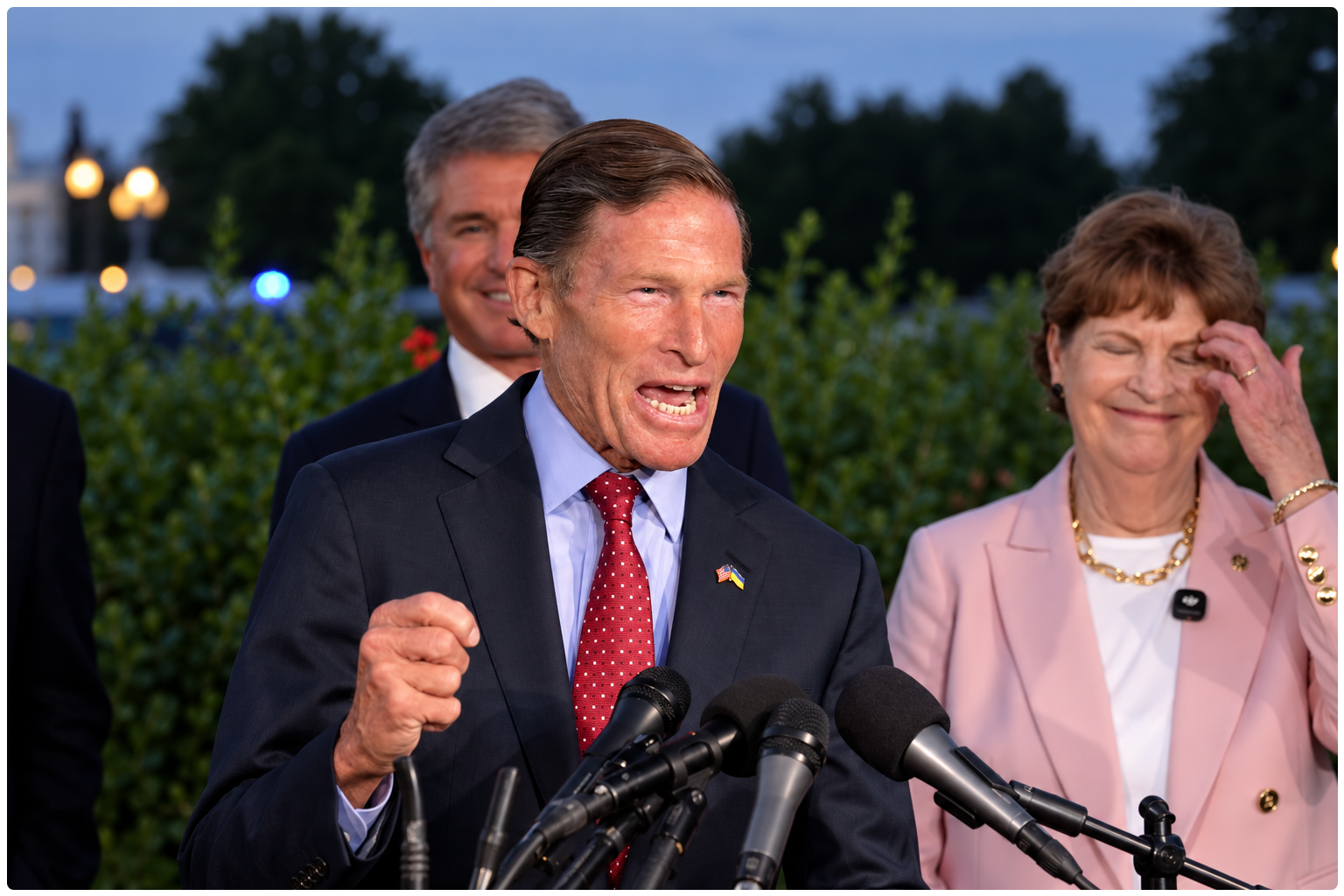
Today is a historic triumph for democracy—ours & Ukraine’s—showing that America can still muster bipartisan unity in the fight for freedom. I am overwhelmed with gratitude. 1/ https://t.co/XRmuBnYcKt
— Richard Blumenthal (@SenBlumenthal) September 16, 2026
New Delhi responded by stressing that energy security would remain the priority. The Ministry of External Affairs said India was “firmly committed” to ensuring reliable energy supplies for its 1.4 billion people and would continue sourcing energy from multiple countries based on market conditions. It added that the issue had already been raised at senior levels with US officials and that India had clearly conveyed the possible consequences for both bilateral relations and the global energy market.
The ministry also said India had made its position clear that it would protect its trade and economic interests and would work closely with Indian industry to manage the impact of any new US measures. That language marks one of New Delhi’s strongest responses yet to Washington’s efforts to pressure countries buying Russian oil.
India became a major buyer of discounted Russian crude after Western countries imposed sanctions on Moscow following the 2022 invasion of Ukraine. Russian oil helped Indian refiners keep import costs lower while global energy markets remained volatile. New Delhi has repeatedly argued that its purchases are driven by affordability and energy security rather than political alignment with Moscow.
The legislation creates a fresh source of tension in a relationship already dealing with trade disputes and tariff negotiations. Indian refiners are now watching closely for details on how aggressively Washington might use the new powers, while analysts warn that broad tariffs on Indian exports could complicate ongoing trade talks between the two countries.
For now, no new tariff has actually been imposed on India under the bill. The immediate decision rests with Trump, who is expected to sign the legislation. What happens after that will depend on whether the White House chooses to use the full tariff authority or seeks exemptions and negotiated reductions in Russian energy purchases instead.