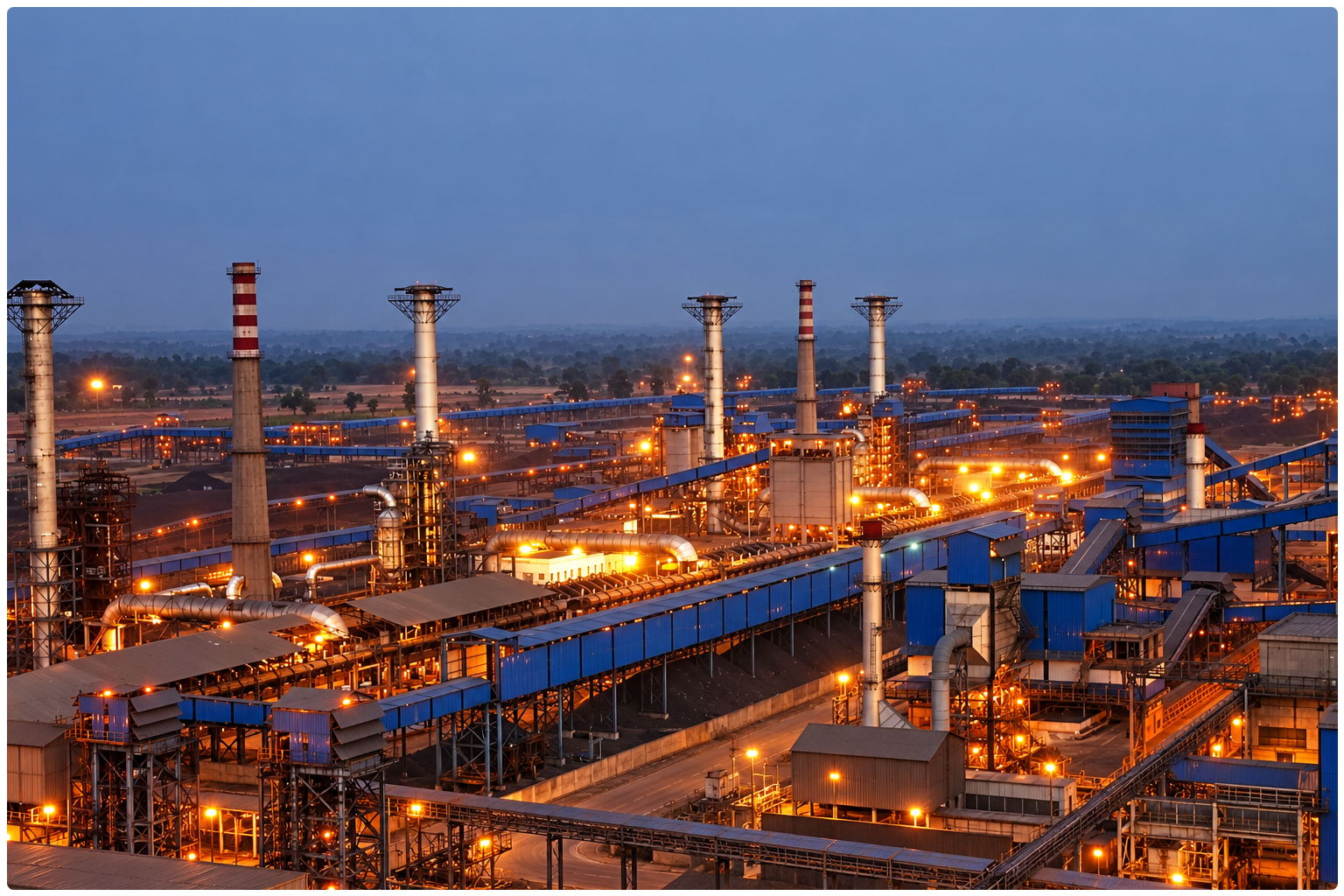
India has secured substantially wider access to the European Union’s tightly protected steel market under its landmark free trade agreement with the bloc, giving Indian producers an important advantage at a time when Brussels is sharply restricting steel imports from much of the world.
Under the agreement, India will have access to annual steel quotas totalling about 1.64 million tonnes. Of this, 694,853 tonnes represents an additional preferential quota secured through the India-EU FTA, while another 946,616 tonnes is available through the existing WTO or Most-Favoured-Nation quota framework. Together, the quotas cover roughly 68% of the 2.4 million tonnes of steel India exported to the EU in 2025, compared with about 39% covered by the previous quota arrangement.
The concession is particularly significant because it comes as the EU is moving in the opposite direction on steel imports generally.
A new European steel protection regime, which took effect on July 1, caps tariff-free steel imports at 18.3 million tonnes annually, around 47% below the quota levels that existed in 2024. Once individual quotas are exhausted, imports face a steep 50% out-of-quota duty. Brussels says the measures are necessary to protect European steelmakers from global overcapacity, which it expects could reach 721 million tonnes by 2027.
Free-trade partners receive preferential treatment under the new system. Half of the EU's overall 18.3-million-tonne quota is reserved for FTA partners, making India's trade agreement considerably more important for steelmakers than tariff reductions alone would suggest.
The Indian allocation covers several steel categories, with much of the quota concentrated in flat-steel products. Hot-rolled sheets and strips alone receive an allocation of about 509,605 tonnes, according to an analysis of the agreement's legal text. The arrangement also provides for future reviews of quota allocations, offering the possibility of adjustments depending on utilisation and market conditions.
There is, however, a major limitation.
The FTA does not shield Indian steel from the EU's Carbon Border Adjustment Mechanism, or CBAM. The system requires a carbon price to be paid on emissions embedded in imports including iron and steel, aluminium, cement and fertilisers. That means an Indian producer may have quota access without facing the 50% safeguard tariff and still incur substantial carbon-related costs when selling into Europe.
For India, the result is therefore a significant market-access victory rather than unrestricted entry into Europe. The agreement protects a much larger portion of Indian steel exports from Europe's increasingly formidable import barriers, while giving domestic producers greater predictability in one of their most important overseas markets.
The benefits are not yet fully operational. India and the EU concluded negotiations on January 27, and on September 11 the European Commission formally submitted the agreement to the EU Council for signature and conclusion. The additional FTA steel quota will become available once the agreement enters into force.