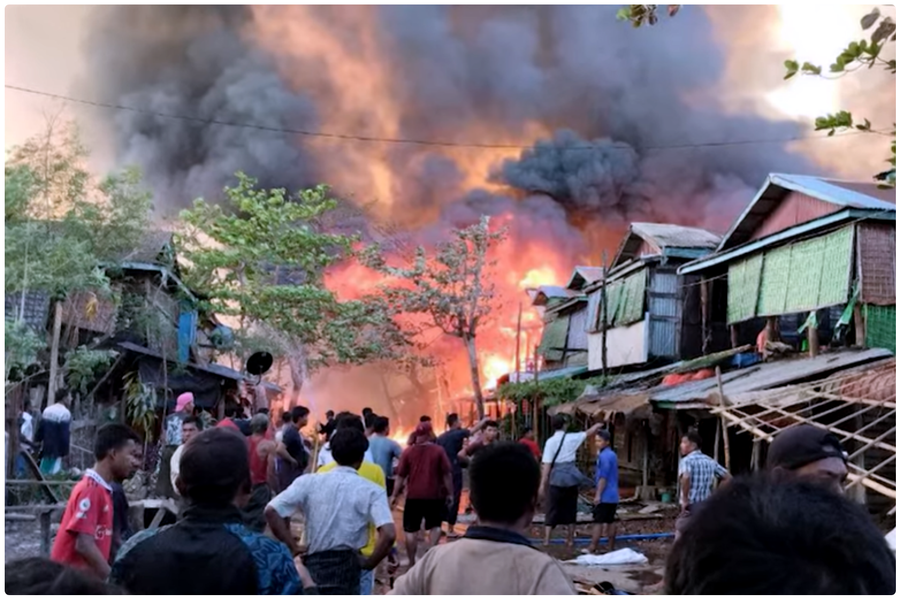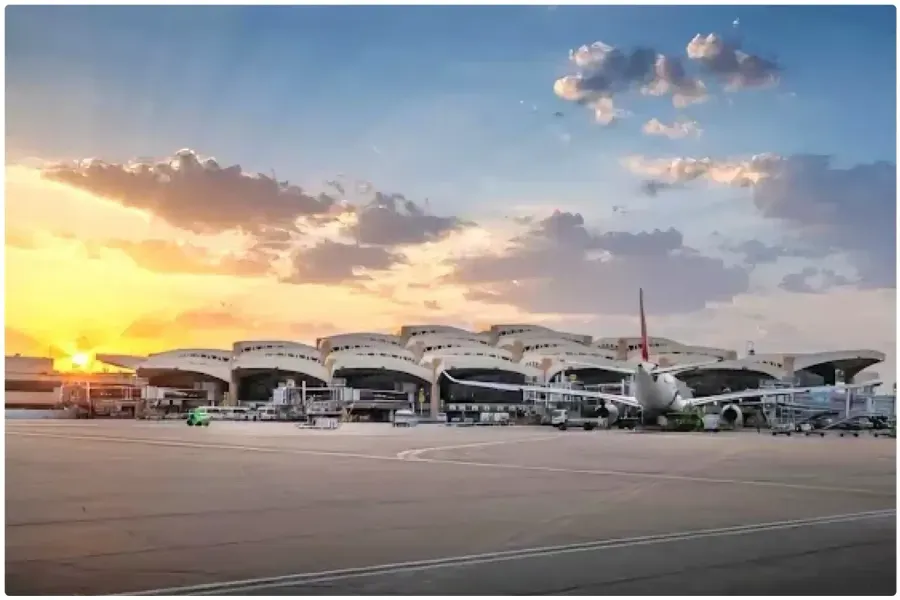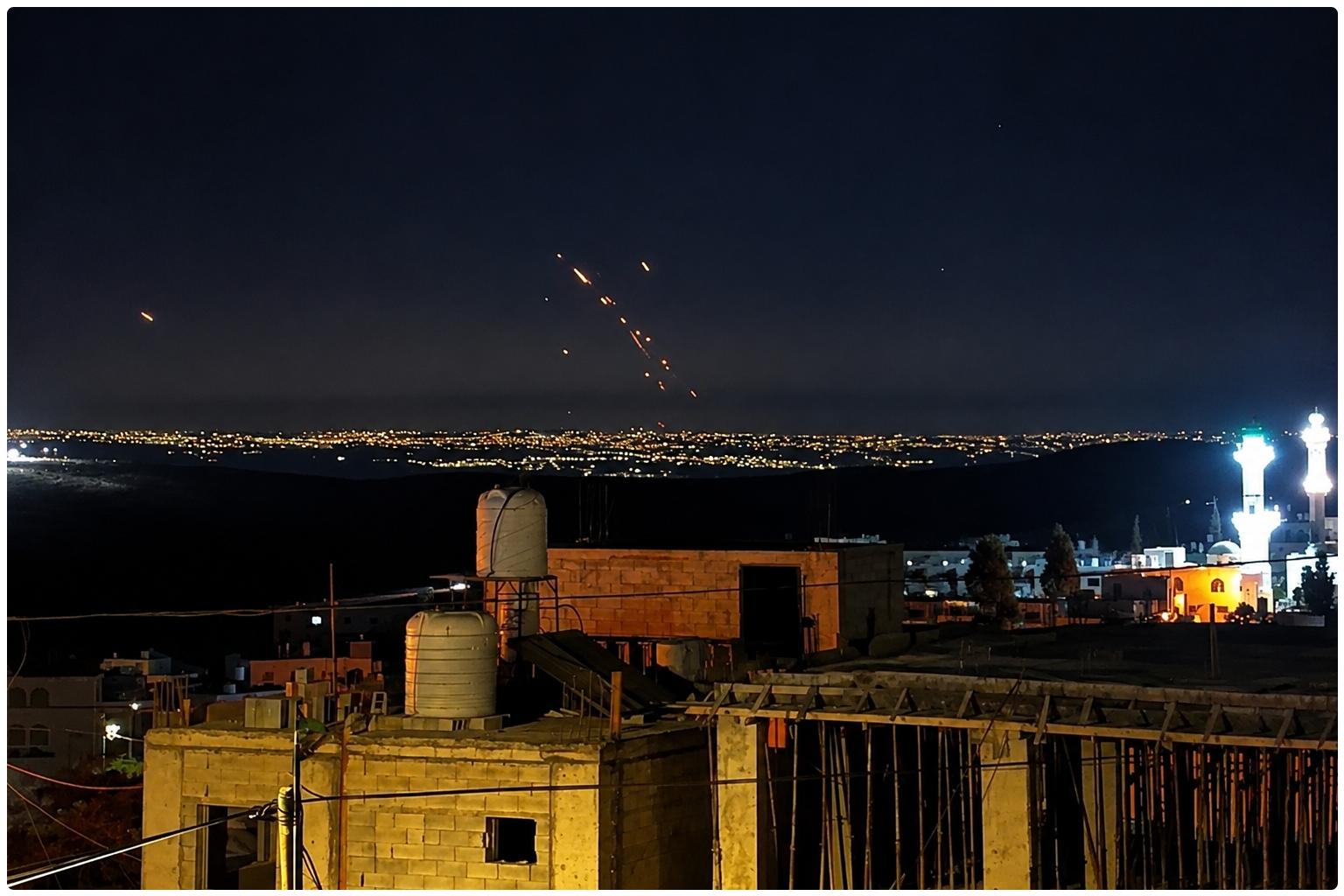
Iran has launched a major ballistic missile attack towards a military base used by American forces in Jordan, retaliating for US strikes that destroyed five Iranian oil tankers and pushing the six-month conflict into another dangerous cycle of escalation.
Iran's Islamic Revolutionary Guard Corps said it targeted the base near Al Azraq in eastern Jordan early Wednesday.
Jordan's military said 20 ballistic missiles were fired from Iranian territory towards the kingdom.
Iran claimed the attack caused significant damage to the American facility. But the US official reported that the Iranian attack had been ineffective and that all American personnel were accounted for.
The strike was retaliation for an American attack only hours earlier.
US Central Command said American forces had destroyed five Iranian oil tankers in the Gulf of Oman and near Kharg Island, the centre of Iran's oil-export infrastructure.
Washington said those strikes were themselves retaliation.
According to CENTCOM, Iran had attempted to strike a US Navy warship with ballistic missiles twice during the preceding two days. The American vessel successfully evaded the attacks and no US personnel were injured.
US Secretary of State Marco Rubio subsequently issued an unusually direct warning to Tehran: every attempt to attack an American naval vessel would cost Iran more tankers.
Iran responded by taking the confrontation back onto land.
The choice of Jordan is significant.
Jordan is one of Washington's closest Arab partners and hosts thousands of American military personnel. The Muwaffaq Salti Air Base at Al Azraq has been extensively used by US forces and hosts American aircraft supporting operations across the Middle East.
This is also not the first time Iran has targeted American forces inside the kingdom.
Iranian missiles struck US facilities in Jordan in July, killing at least two American military personnel. Tehran again targeted bases in Jordan at the end of August after an American attack on Iran's Larak Island.
The latest barrage demonstrates that Jordan has increasingly become part of the battlefield despite not being a principal combatant in the US-Iran confrontation.
But Iran's retaliation did not stop there.
The IRGC also claimed attacks against 10 ships attempting to cross what Tehran described as a prohibited area of the Strait of Hormuz, including two American vessels and eight oil tankers.
Iran has additionally threatened tankers in Kuwaiti and Bahraini ports.
The escalation is now being felt across the Gulf.
Iran-backed Houthi forces attacked Saudi Arabia this week, striking cities and energy facilities and wounding 73 people. Shipping through Hormuz has fallen sharply, while Brent crude has climbed towards $100 a barrel.
The conflict is consequently evolving into something much broader than exchanges of missiles between Iran and the United States.
Washington is attempting to keep international oil moving through Hormuz while restricting Iran's own ability to export crude. Tehran is responding by demonstrating that American bases, warships, regional allies and commercial shipping can all become targets.
Neither side currently appears willing to absorb an attack without answering it.
That creates an increasingly dangerous escalation ladder.
Iran tries to hit an American warship. Washington destroys Iranian tankers. Tehran fires 20 ballistic missiles towards a base housing American forces. The United States must now decide whether that attack itself requires another military response.