Italian Prime Minister Giorgia Meloni has announced plans for nationwide restrictions on Islamic veils in schools as part of a wider package aimed at reshaping integration rules for foreign students and their families.
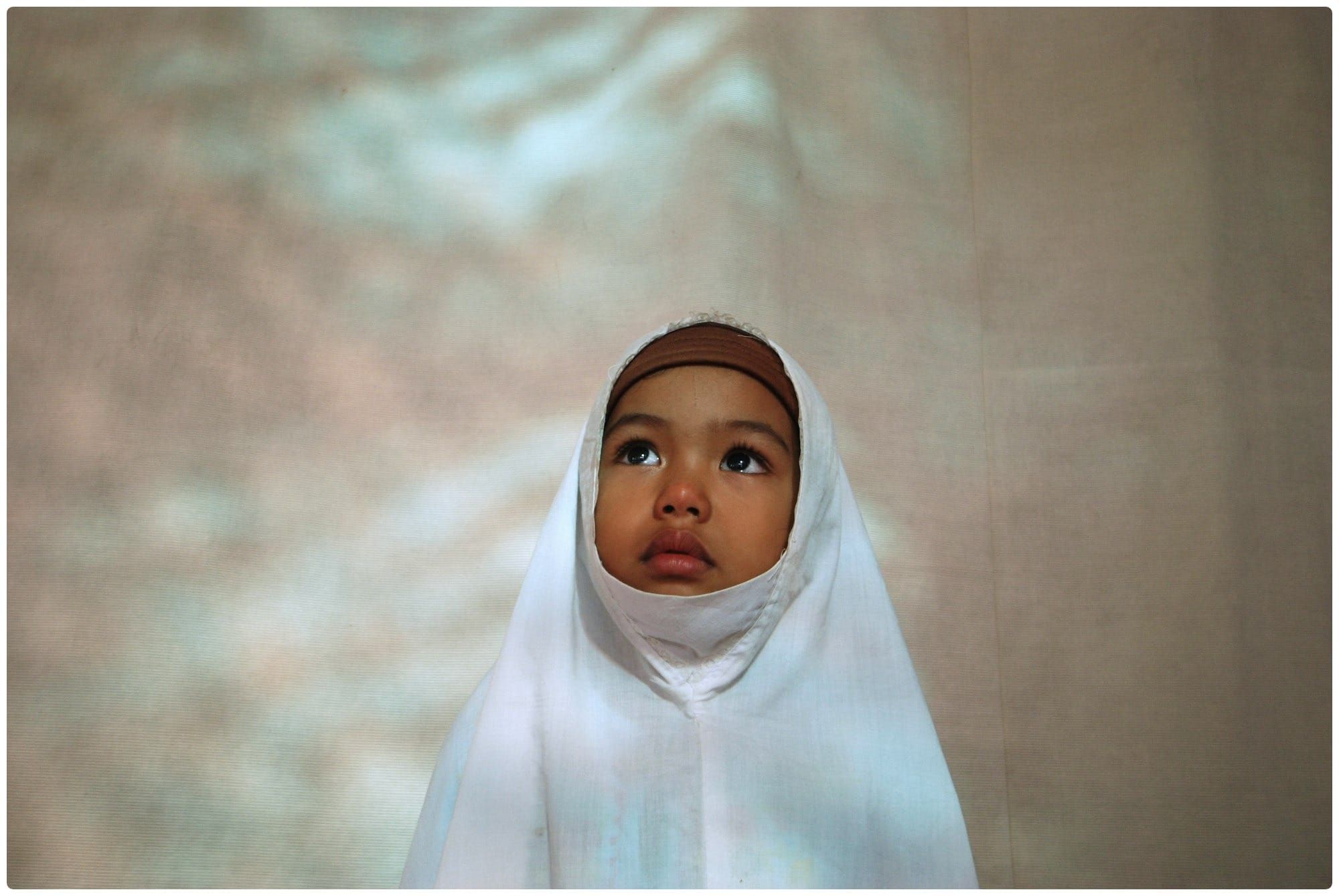
Speaking at Fenix, an event organised by the youth wing of her Brothers of Italy party, Meloni said a measure would soon be presented to the cabinet that would ban burqas and niqabs in schools. In remarks reported by ANSA, she also said the proposal would prohibit the hijab in classrooms, potentially making the policy much broader than a simple ban on face-covering garments.
Meloni argued that schools should promote integration and said young women should attend class with their faces visible. She also said Italian children should not feel like a minority in their own classrooms and announced plans to impose a legal maximum on the number of foreign students per class. The government has not yet disclosed what that cap would be. Parents of foreign students facing serious integration difficulties could also be required to learn Italian under the proposed rules.
Students without Italian citizenship currently make up about 11.6% of the country’s school population, or roughly 931,000 pupils. Their share is higher in primary schools, where it reaches 13.7%, and more than 65% of foreign students attend schools in northern Italy.
The veil debate has been building for months. Education Minister Giuseppe Valditara previously called for burqas and niqabs to be prohibited in schools, arguing that full-face coverings conflict with gender equality and hinder social interaction. A parliamentary committee also approved a resolution this summer calling for restrictions on full-face veils in classrooms.
Italy already has a 1975 public-order law that prohibits concealing one’s face in public without justified reason, but successive governments have debated whether the law should explicitly mention religious garments such as the burqa and niqab. Several separate bills have been introduced over the years to tighten those rules.
Critics say the government is presenting assimilation as integration. The FLC-CGIL education union has argued that earlier proposals were excessively punitive, while opposition politicians from the Democratic Party have questioned whether schools actually need new bans rather than more resources to support language learning and social inclusion.
The new proposal is therefore likely to trigger a wider political and legal debate, particularly if the final text includes the hijab as well as garments that cover the face.
For now, no nationwide ban has taken effect. The measure still has to be formally presented, approved by the cabinet and pass through parliament. But Meloni’s announcement signals that questions of religious dress, immigration and national identity are moving closer to the centre of Italy’s education policy.