India has confronted the United States over a newly enacted sanctions law that could expose Indian exports to tariffs of up to 100% because of the country’s continuing purchases of Russian oil and gas.
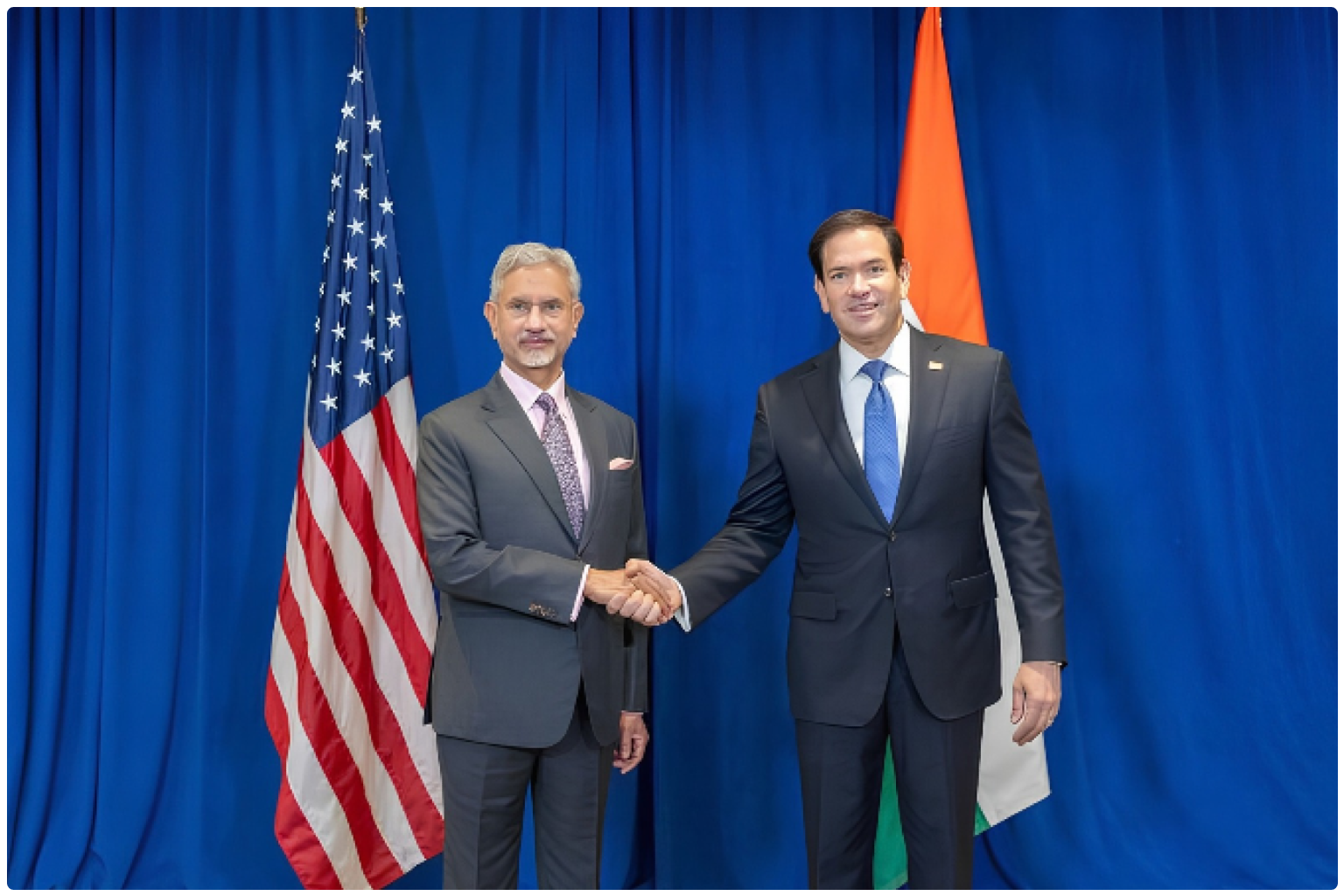
External Affairs Minister S. Jaishankar raised the issue during a meeting with US Secretary of State Marco Rubio on the sidelines of the United Nations General Assembly in New York. Jaishankar said he had reiterated India’s interests and concerns regarding the Sanctioning Russia and Iran Act, while the two ministers also discussed developments in Ukraine and the Gulf.
Donald Trump signed the legislation into law on September 18 after it passed both houses of the US Congress. Named the Lindsey O. Graham Sanctioning Russia and Iran Act of 2026, it targets Russia’s energy and defence industries, Russian officials and financial institutions, and the network of tankers used to transport oil outside Western restrictions.
Jaishankar and Marco Rubio post about their meeting in New York
— Shashank Mattoo (@MattooShashank) September 23, 2026
Jaishankar: Raises 100% Russia tariff bill, Gulf and Ukraine
Rubio: US-India partnership, regional priorities pic.twitter.com/XtG8TTxbpP
The provision of greatest concern to India requires the American president to impose tariffs of up to 100% on goods from the five largest purchasers of Russian crude oil or natural gas. Countries making new Russian energy purchases after the law’s enactment or helping Moscow evade sanctions could also be targeted.
Although the law does not name India, the country is one of the world’s largest buyers of Russian crude and is therefore among its most likely targets. Russian oil has accounted for more than 40% of India’s crude imports at certain points since the invasion of Ukraine, up from a negligible share before the war.
New Delhi has told Washington that applying the law against India could damage bilateral relations and disrupt international energy markets. The government has maintained that it must secure affordable and reliable energy for 1.4 billion people and will continue buying oil from different suppliers according to market conditions.
India’s Russian oil imports fell by 16.5% in August to approximately 2.1 million barrels per day and were expected to decline further in September. Russia nevertheless remained India’s largest supplier. Indian refiners have also increased purchases from Middle Eastern producers as they prepare for the possibility of American penalties.
The legislation places India in a difficult position. A rapid reduction in Russian oil purchases could raise import costs, place pressure on domestic fuel prices and reduce refiners’ margins. Continuing the purchases, however, could expose Indian goods to prohibitive tariffs in the United States, India’s largest export market.
The law gives Trump considerable discretion over its implementation. It does not clearly explain how the five largest Russian energy buyers will be calculated and allows the president to waive measures if he determines that doing so serves US national-security interests. No new tariff has yet been imposed on India under the law.
The sanctions dispute could also complicate negotiations for an India-US trade agreement. New Delhi has already warned that it will take all necessary measures to protect its trade and economic interests, while Indian refiners have urged the government to seek exemptions, a transition period or an agreed quota for Russian purchases.
Despite its name, the law’s immediate significance for India comes primarily from its provisions targeting buyers of Russian energy. Its Iran component extends existing American sanctions against Tehran for another five years.
The meeting between Jaishankar and Rubio indicates that India is seeking a diplomatic solution before the tariff provisions are enforced. However, New Delhi’s position remains clear: decisions about where India obtains its energy cannot be determined solely by American sanctions policy.