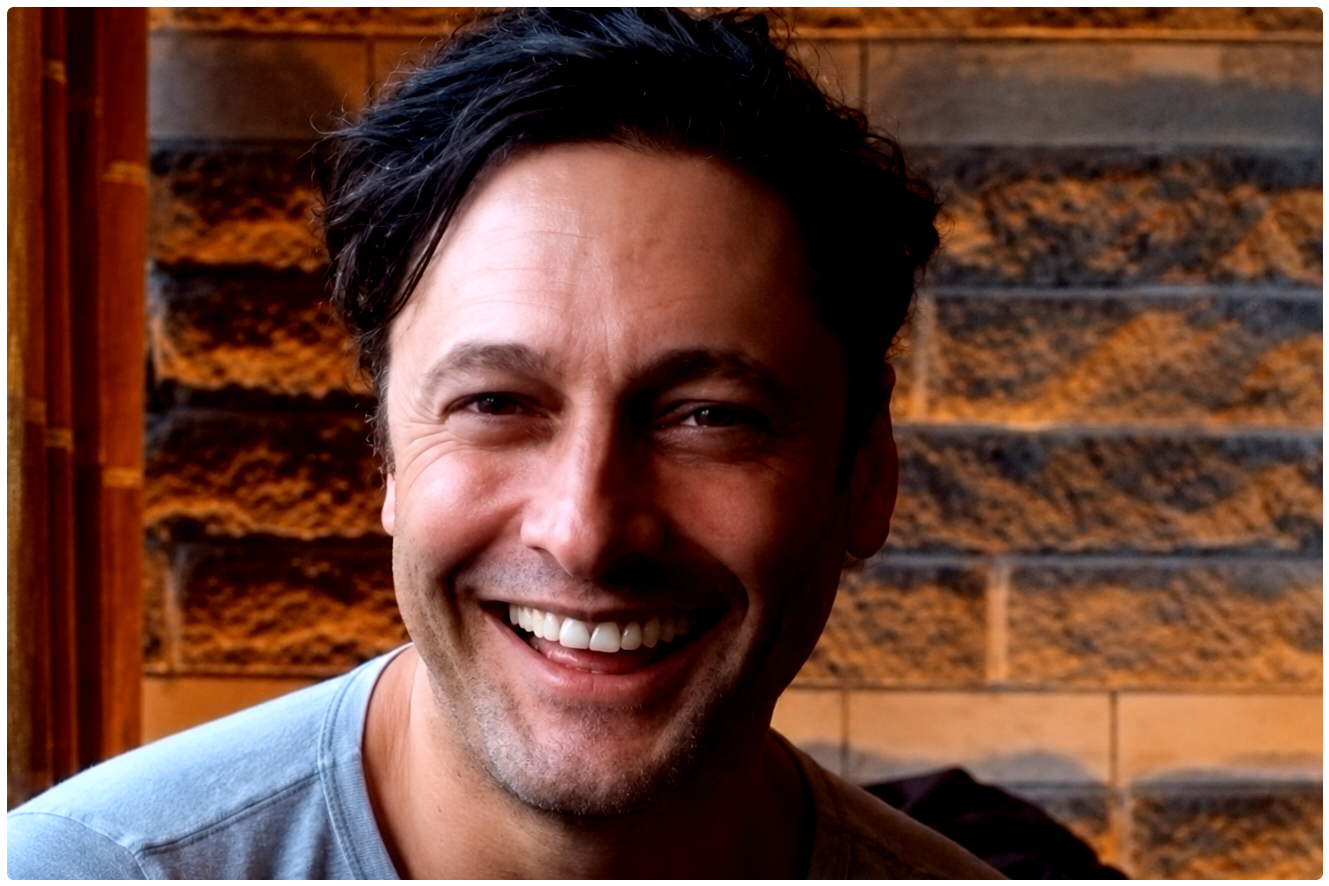
Simon Andriesz, the British financial whistleblower who uncovered records contradicting US Commerce Secretary Howard Lutnick’s previous account of his relationship with Jeffrey Epstein, has died aged 57.
Andriesz’s death was confirmed by Andy Agathangelou, founder of the financial-reform group Transparency Task Force, which had hosted him at whistleblowing events. Agathangelou said Andriesz, described as a valued member of the organisation’s community, died last week.
One financial publication reported that Andriesz died by suicide. However, no publicly available statement from his family, local police, a coroner or another investigating authority has confirmed the cause, location or complete circumstances of his death.
The absence of an official account has nevertheless fuelled questions because of the politically sensitive information he had recently brought to public attention.

Andriesz spent more than 35 years working in financial markets and previously served as a managing director at BGC Partners, the brokerage company then led by Lutnick. He said he was dismissed in 2017 after raising concerns about accounting practices inside the business.
He subsequently contacted the FBI in 2020 and 2021 with allegations involving BGC and Lutnick. Records released as part of the Epstein files confirmed that the FBI received information from him, although his broader allegations were not established through a public prosecution or regulatory finding.
His most consequential disclosure came after the US government released millions of pages of Epstein-related records in early 2026. Andriesz searched the files using “HWL”, Lutnick’s initials, because executives at BGC and related companies frequently used initials in internal communications.
That search led him to a May 2018 email exchange concerning Adfin, a digital-advertising company in which entities connected to both Lutnick and Epstein had invested. The correspondence showed Epstein asking Lutnick directly about the company’s prospects and Lutnick responding personally.
The exchange was significant because Lutnick had previously said he decided to avoid Epstein after visiting the financier’s Manhattan home in 2005. Lutnick said Epstein showed him a massage room and made a disturbing sexual remark, leading him and his wife to conclude that he would never spend time with Epstein again.
Documents released in 2026 showed that their contact continued after that encounter and after Epstein’s 2008 conviction for soliciting prostitution from a minor. The records included arrangements for Lutnick, his wife and their children to have lunch with Epstein on Little Saint James in 2012.
Other records showed communications involving a neighbourhood construction project, an invitation to a political fundraiser and the Adfin investment. Lutnick later acknowledged the island visit and other interactions but maintained that he had no meaningful relationship with Epstein.
During congressional questioning, Lutnick said he did not recall why his family attended the island lunch. He also said that he had not known Epstein was an investor in Adfin when the two exchanged messages about the company.
The latter explanation drew particular scrutiny because Epstein had communicated directly with him about Adfin. A publicly released transcript of Lutnick’s congressional interview records lawmakers questioning how Epstein could have discussed the company’s financial prospects with Lutnick without Lutnick knowing of his involvement.
Senator Chris Van Hollen had earlier sent Lutnick a formal letter seeking clarification about the island visit, the Adfin investment and the discrepancy between his public statements and the released records.
No evidence has emerged showing that Lutnick participated in Epstein’s sexual offences, and lawmakers examining the relationship have not accused him of doing so. The controversy concerns the extent of their social and financial contact and whether Lutnick gave an accurate public account of it.
Andriesz’s disclosures added to a wider political dispute surrounding the Epstein files, which has divided parts of Donald Trump’s political movement and generated demands for fuller disclosure of Epstein’s dealings with wealthy and influential figures.
His death does not invalidate the records he uncovered. The 2018 correspondence, investment documents and congressional testimony continue to exist independently of his account and can be examined on their own merits.
At the same time, responsible reporting requires distinguishing unanswered questions from evidence of wrongdoing. Andriesz’s cause of death has not been officially established in public, but no evidence of foul play has been produced either. Until authorities or his family release further information, describing the death as suspicious or linking it to his whistleblowing would go beyond the available facts.