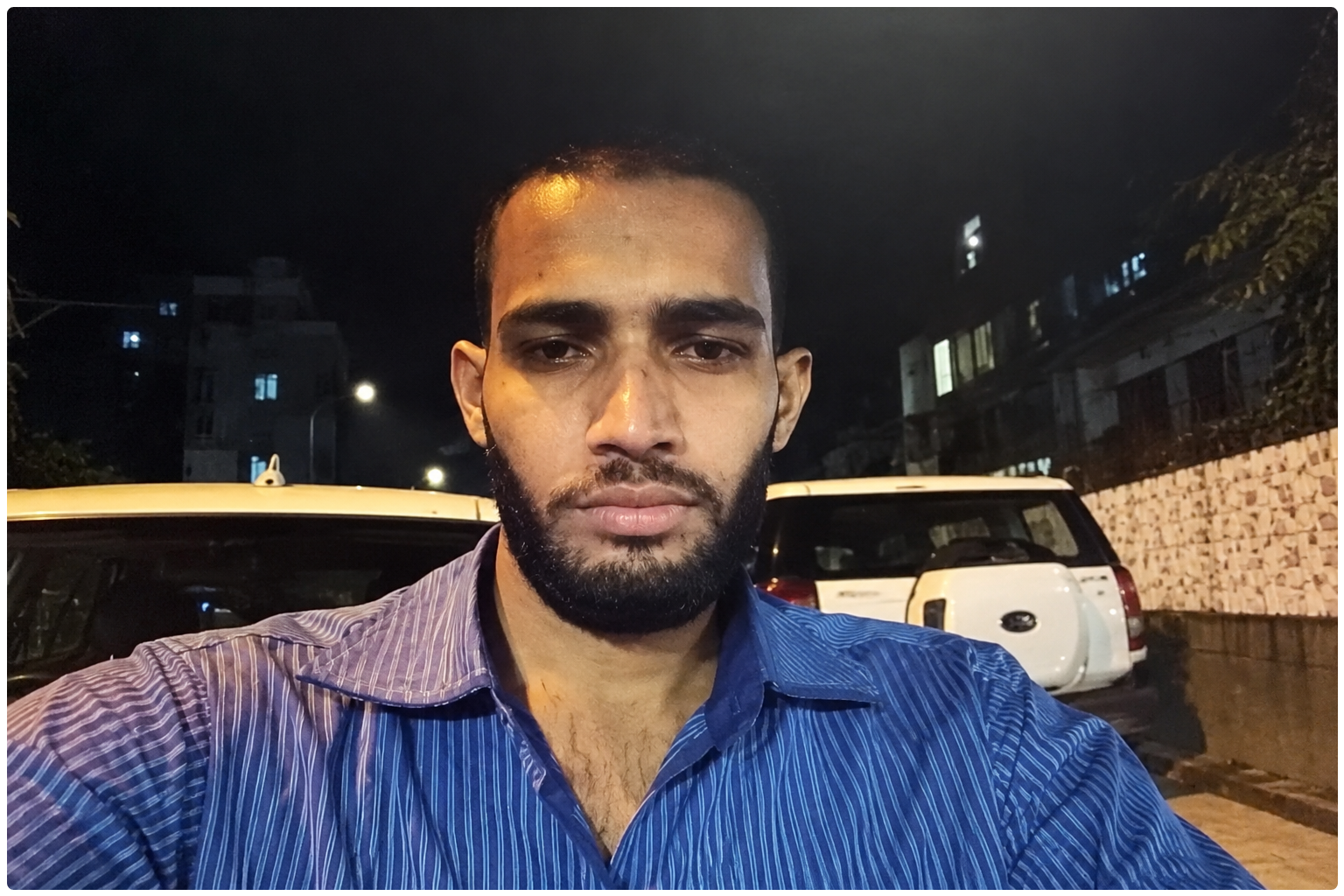
An investigation into extremist messaging on social media has led Maharashtra's Anti-Terrorism Squad (ATS) to a 33-year-old Mumbai resident suspected of circulating propaganda associated with Pakistan-based terrorist organisation Jaish-e-Mohammed (JeM). Investigators are now examining whether his online activities extended to direct contact with the organisation or Pakistani intelligence operatives.
The suspect, identified as Mohammad Hasan Abu Sarmad Akhtar, was detained near Mahim Metro station by the ATS's Kalachowki unit. Reports citing investigating officials say Akhtar worked as a Rapido bike-taxi rider and perfume seller. His mobile phone was seized for examination following intelligence inputs concerning his social media activity.
Why are you hiring workers like these @rapidoapp_ ? Rapido claims to be the safest app for women, and then it hires Islamic Jihadi Terrorists as drivers! What are you doing to make sure that this doesn't happen again?
— Tweeter123 (@truthTweeting30) October 24, 2026
The inquiry centres partly on audio recordings attributed to JeM founder Masood Azhar. Investigators allege that Akhtar administered a Telegram group called Indian Muslim, where two recordings of Azhar's speeches were circulated on June 1. The material reportedly concerned the Babri Masjid dispute and other subjects used in extremist messaging.
Investigators have also identified his alleged subscription to a Telegram channel called Ibn-e-Qasim, described in police accounts as linked to Pakistan-based extremist networks. The nature of his participation, whether he communicated with the channel's administrators and whether those contacts involved operational instructions have not been publicly established.
Another allegation concerns a September 8 Instagram comment about a reported security lapse during Prime Minister Narendra Modi's visit to Mumbai. Police suspect that the comment encouraged violence against the Prime Minister. Other posts attributed to Akhtar allegedly promoted armed jihad and communal hostility.
The case has been registered under Section 196(1) of the Bharatiya Nyaya Sanhita, which addresses promoting enmity between groups on grounds including religion and acts prejudicial to communal harmony. Akhtar was produced before a court and remanded to police custody for four days, according to reporting on the proceedings.
The allegation of a Jaish-e-Mohammed connection carries particular security implications because the organisation has a documented history of organising attacks against Indian targets. The Ministry of Home Affairs lists JeM as a terrorist organisation under the Unlawful Activities (Prevention) Act.
Its founder, Masood Azhar, was designated an individual terrorist by the Indian government in 2019. The National Investigation Agency has also investigated JeM's role in the February 2019 Pulwama attack, in which 40 Central Reserve Police Force personnel were killed. The NIA's official case record identifies the organisation as responsible for the suicide bombing.
The present Mumbai investigation, however, remains focused on establishing Akhtar's activities and connections. Possession or circulation of propaganda does not by itself demonstrate membership of a terrorist organisation, participation in an attack or involvement in a terrorist conspiracy.
Police are awaiting forensic examination of the seized electronic material. That examination could establish the authenticity of the accounts attributed to Akhtar, the nature of his communications and whether other individuals were involved.
For investigators, the central question is whether the material represents online extremist advocacy or evidence of a wider organised network. No publicly available court finding has established the latter.