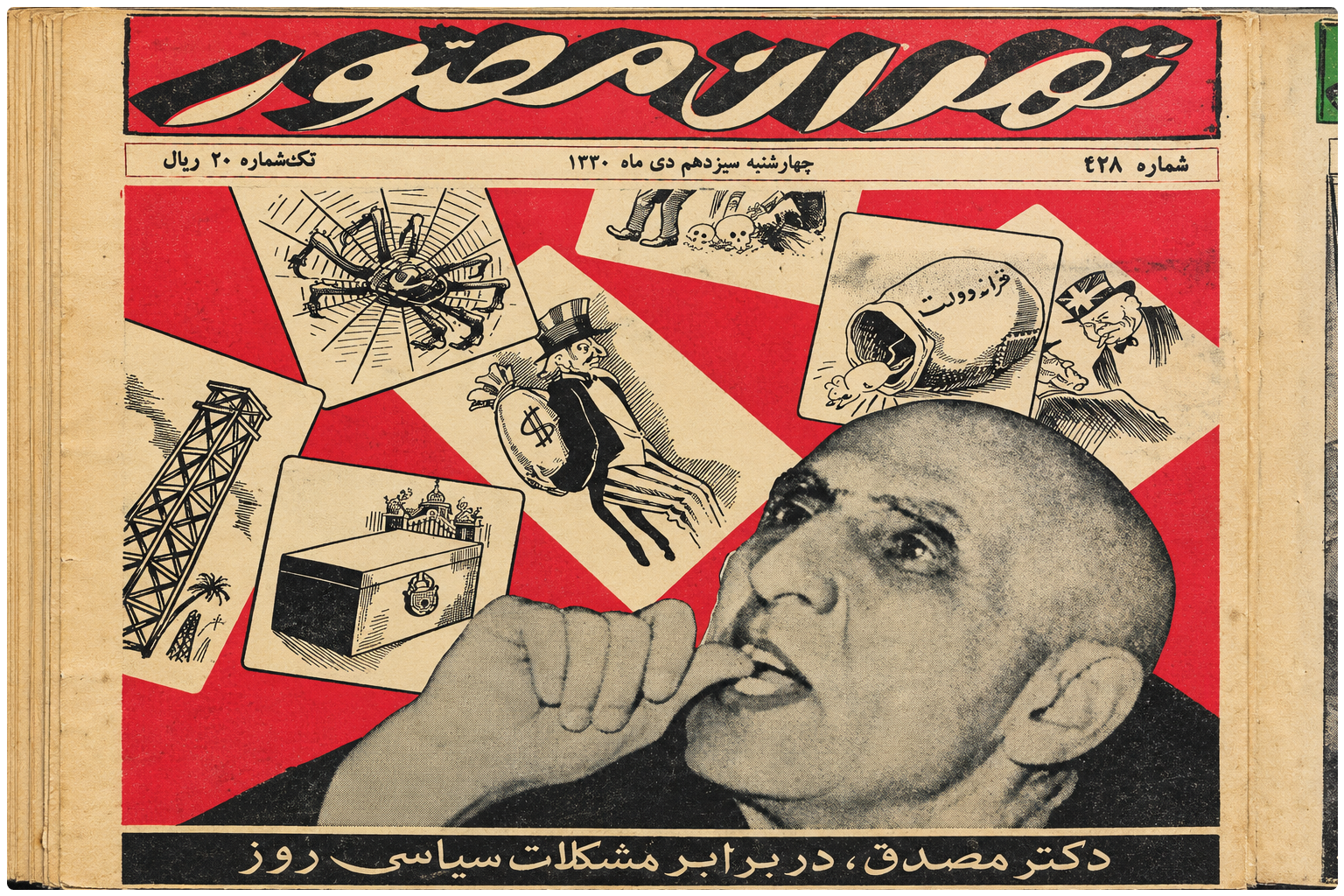
On the morning of August 19, 1953, the prime minister of Iran climbed over his own garden wall.
He was 71, held a doctorate in law from Switzerland and had fought to defend Iran’s Parliament. Millions of Iranians saw him as the man who had returned their country to them. Now a mob was closing in on his home, and some of those leading it had been paid by the CIA.
Mohammad Mossadegh escaped over a wall in his pyjamas but was taken into custody the next day. Within a week, the young Shah he had outmanoeuvred was back on the throne.
In the process Washington found a template that it would use again and again: a government did not have to be defeated at the ballot box if it could simply be removed through deceit.
The Oil
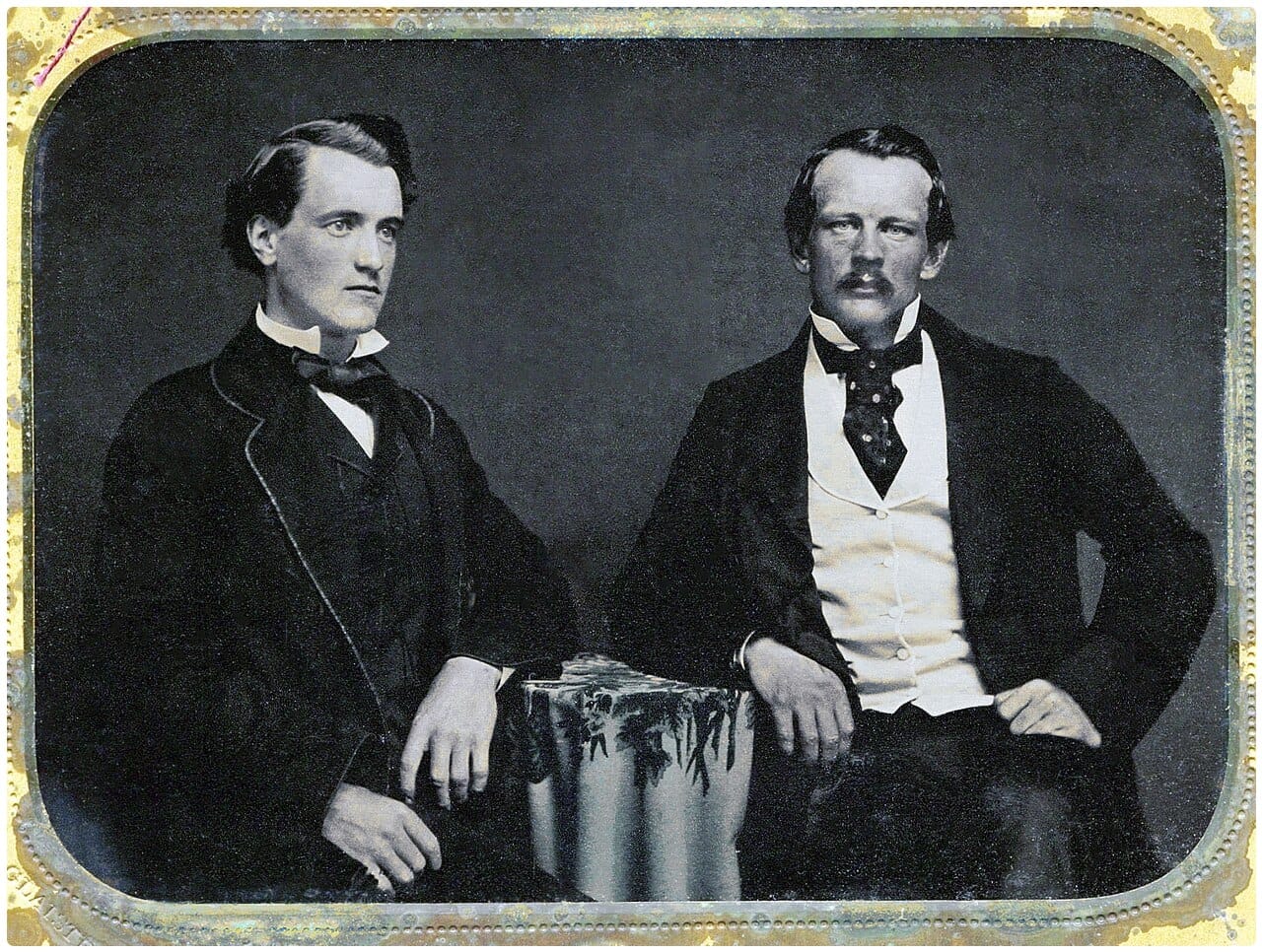
In 1901, British businessman William Knox D’Arcy secured the right to search for oil across most of Persia. He found it in 1908. The discovery led to the creation of the Anglo-Persian Oil Company, later renamed the Anglo-Iranian Oil Company. Before the First World War, the British government acquired a controlling stake at Anglo-Persian Oil Company as the Royal Navy shifted from coal to oil. Persian crude soon became essential to Britain’s naval power.
By the 1950s, the company controlled Abadan, then home to the world’s largest oil refinery. British managers lived in spacious bungalows with gardens, while many Iranian workers lived in nearby slums. The company paid more in taxes to the British government than it paid Iran in oil royalties. Iran owned the resource, but Britain took most of the rewards.
The turning point came in December 1950, when the American-run Aramco agreed to share its profits equally with Saudi Arabia. Iran demanded a similar arrangement, but the Anglo-Iranian Oil Company refused to negotiate.
In March 1951, Iran’s Parliament voted to nationalise the oil industry. The Senate approved the decision, and the Shah signed it into law in May. Mossadegh, leader of the National Front and the strongest advocate for nationalisation, became prime minister that April. This was not the decision of one man. It reflected public demand and was enacted openly through the proper parliamentary process.
Britain responded with economic pressure. It withdrew its technicians from Abadan, froze Iranian assets in London and organised a boycott that prevented tankers from carrying Iranian oil. British warships moved towards the Gulf, while Iran’s oil revenue fell to almost nothing. The aim was clear: weaken the country until its people turned against Mossadegh.
Mossadegh responded through legal and diplomatic channels. He personally defended Iran’s position before the UN Security Council in New York. Time named him its Man of the Year in 1951 for his monumental role in nationalizing Iran's oil industry and defying Western imperial power. Britain then took Iran to the International Court of Justice, but the court ruled in 1952 that it had no jurisdiction over the dispute. Iran had prevailed legally in both these instances and yet Britain was not ready to relent on its economic pressure.
The Pitch
London wanted Mossadegh gone. But Britain was broke and shrunken, and it couldn't do the job alone. It needed Washington.
President Harry Truman refused to support Britain’s approach. His administration believed the British were being unreasonable and viewed Iranian nationalism as something to manage rather than destroy. That changed after Dwight Eisenhower became president in January 1953. He appointed John Foster Dulles as secretary of state and John’s brother, Allen Dulles, as director of the CIA.
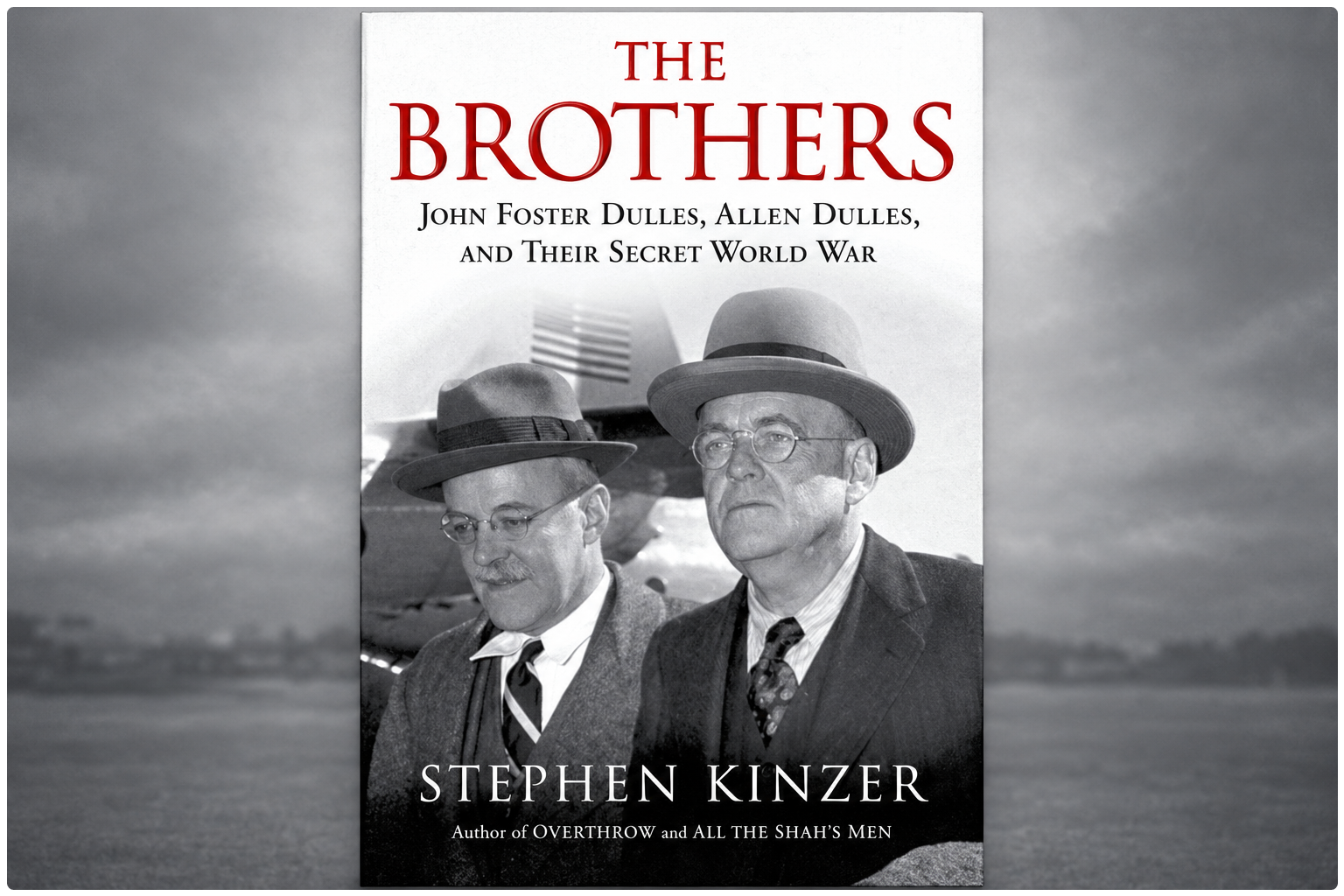
British intelligence understood what would persuade Washington. American officials were less concerned about British oil profits than they were about communism. MI6 therefore changed its argument. Christopher Woodhouse, its representative in Tehran, later acknowledged that Britain shifted the focus from oil to the communist threat because that was the language Washington was ready to listen.
The argument was simple. Iran bordered the Soviet Union, its oil economy was collapsing, and the Tudeh Party had significant influence in the cities. If the government fell, Britain warned, the communists could fill the vacuum and give Moscow access to the Gulf.
It was a persuasive argument, but the evidence was weak. Mossadegh was a landowning aristocrat who distrusted the Tudeh Party, while the party often denounced him as a Western puppet.
On April 4, 1953, CIA director Allen Dulles approved $1 million for the agency’s Tehran station to use it in any ways to remove Mossadegh. Winston Churchill approved the British plan on July 1, and Eisenhower followed. Britain called it Operation "Boot" while the United States called it TPAJAX.
The Machine
The operation was led by Kermit “Kim” Roosevelt Jr., grandson of Theodore Roosevelt. On July 19, he entered Iran from Iraq using the alias James F. Lockridge. The plan had been prepared in Cyprus by CIA Iran specialist Donald Wilber and an MI6 officer. It had three main goals: persuade the Shah to dismiss Mossadegh by royal decree, install General Fazlollah Zahedi as prime minister, and turn public opinion against Mossadegh before making the move.
The propaganda campaign relied on a network of Iranian agents that Britain had built over several years, including the influential Rashidian brothers. Supportive newspapers received money and stories portraying Mossadegh as a communist puppet, an anti-religious dictator and a threat to Islam. In a deeply religious society, the accusations against his faith proved especially effective.
Deception was the name of the game. CIA-backed agents posed as communists, threatened Iranian clerics and carried out what the agency’s own history called a “sham bombing” of a cleric’s home. The attack was designed to blame the Tudeh Party and turn religious Iranians against Mossadegh. In simple terms, it was a false-flag operation.
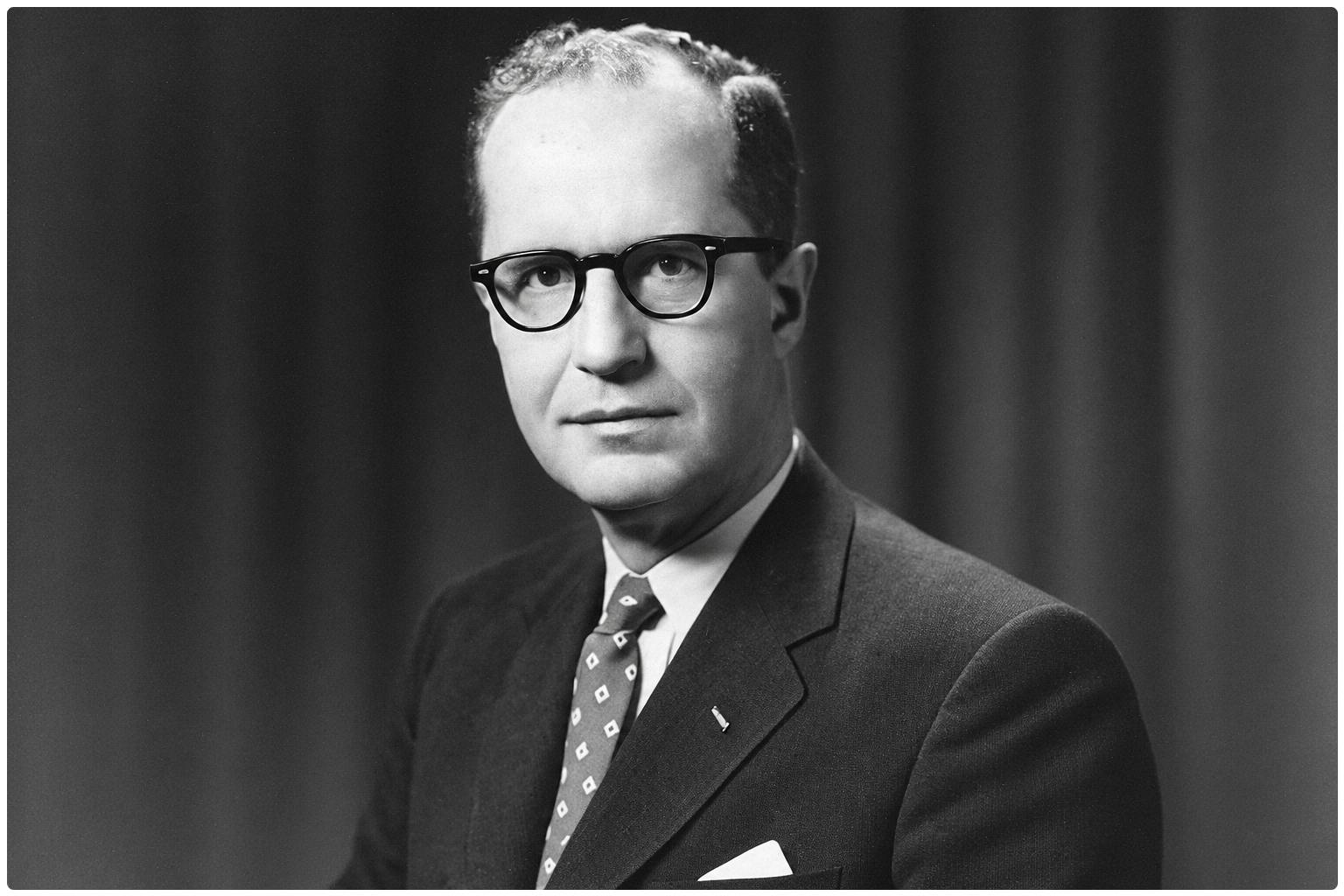
The Shah remained the operation’s biggest obstacle. Mohammad Reza Pahlavi was 33, cautious and intimidated by Mossadegh. He initially refused to sign the necessary orders. After nearly three weeks of pressure, Roosevelt secretly entered the palace for late-night meetings and assured him that Washington and London supported the plan. The Shah’s twin sister, Ashraf, returned from Europe to persuade him, while General H. Norman Schwarzkopf Sr., who had trained Iran’s gendarmerie, arrived in Tehran on what he called a vacation. On August 13, the Shah finally signed two decrees. One dismissed Mossadegh, and the other appointed General Zahedi as prime minister.
And who was Zahedi? A general the British had arrested in 1943 over suspected ties to Nazi Germany. The man picked to save Iran from Moscow had been locked up by London for dealing with Berlin.
The Climax
The first attempt nearly fell apart. Late on August 15, Colonel Nematollah Nassiri, commander of the Imperial Guard, went to Mossadegh’s home to deliver the Shah’s dismissal order. But the plan had leaked, and Mossadegh’s guards were waiting. They arrested Nassiri immediately. After learning that the operation had failed, the Shah fled first to Baghdad and then to Rome, while Zahedi went into hiding in a CIA safe house.
Mossadegh announced on the radio that his government had defeated a coup. Washington believed the operation was over. On August 18, CIA headquarters informed its Tehran station that the plan had failed and warned Americans against joining any further action that could be traced to the United States. Roosevelt ignored the message and continued the operation.
Mossadegh then made a crucial mistake by assuming that the political rules still applied. After the Shah fled, Tudeh supporters filled the streets, pulled down statues of his father and demanded a republic. Distrustful of the Tudeh and determined to restore order, Mossadegh ordered the police to clear the streets and sent the army back to its barracks. In doing so, he cleared the way for his opponents.
On August 19, crowds organised by CIA-backed agents and paid street fighters marched north from southern Tehran. Among their leaders was the notorious strongman Shaban Jafari, known as “Shaban the Brainless.” Military units loyal to the Shah joined them, and tanks moved through the capital. The group seized Radio Tehran, allowing Zahedi to emerge from hiding and declare himself the lawful prime minister. By afternoon, soldiers and protesters had reached Mossadegh’s home. Hundreds were killed in the fighting, and Mossadegh escaped over a wall.
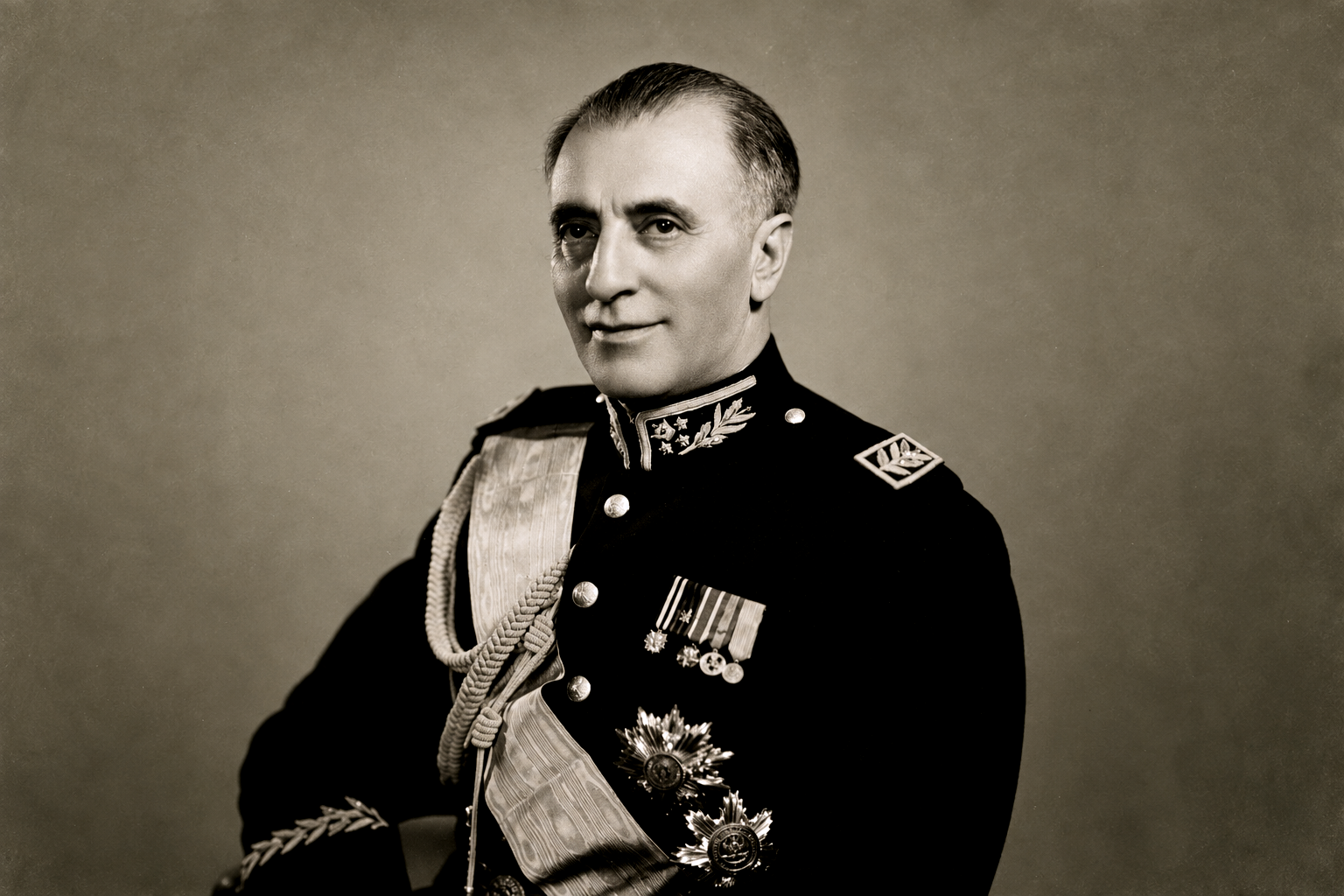
Three days later, the Shah returned to Iran. And within two days of the coup, Washington had provided Zahedi’s new government with $5 million.
The Bill
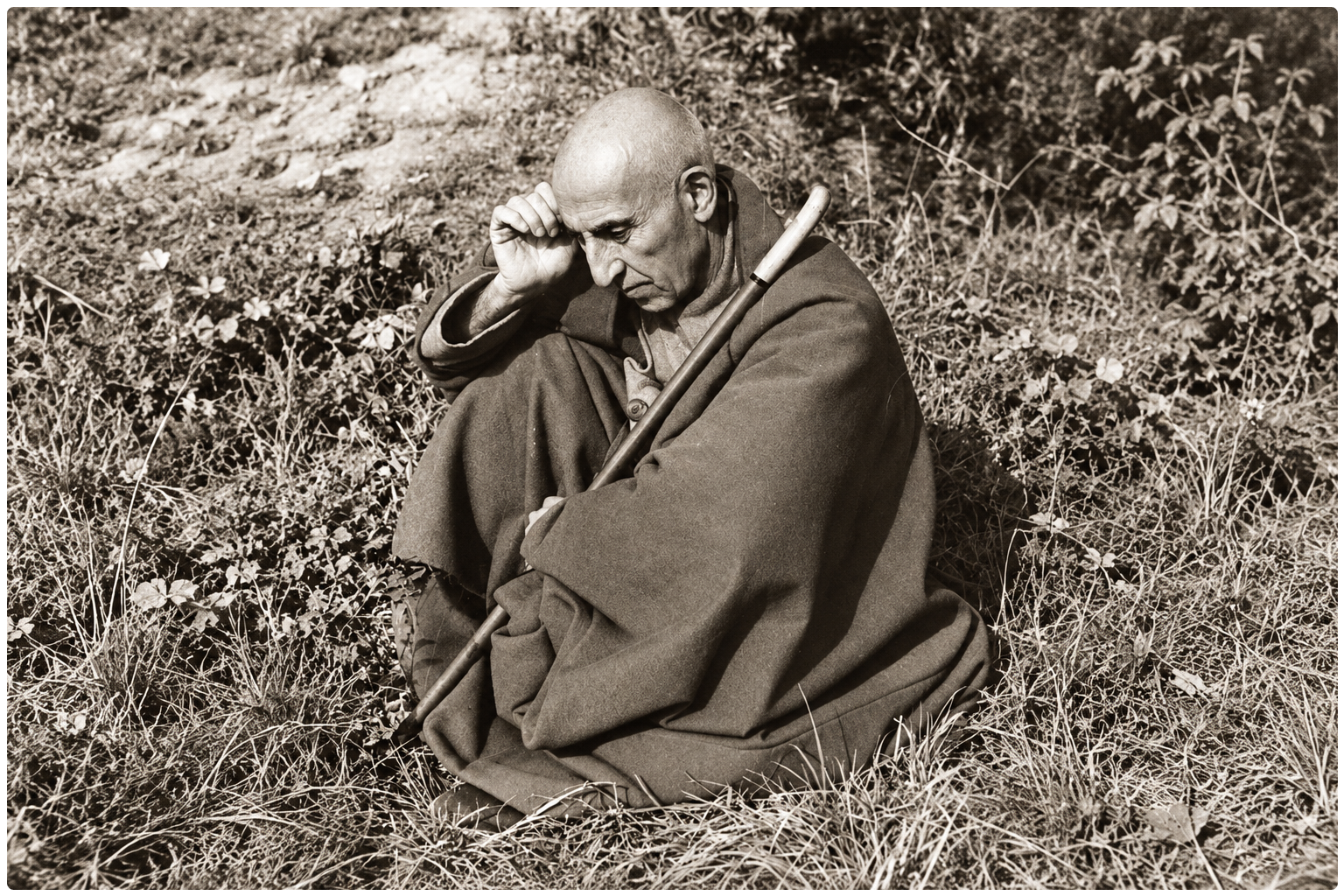
Mossadegh surrendered the following day. A military tribunal convicted him of treason and sentenced him to three years in prison, much of which he spent in solitary confinement. After completing the sentence, he remained under house arrest in his village of Ahmadabad until his death in March 1967. He was buried inside his home after the Shah’s government refused his request for a public burial.
The Tudeh Party was crushed, and the National Front was dismantled. Parliament became little more than a rubber stamp for the Shah.
Iran’s oil returned to Western control. In 1954, an international consortium took over the production. The Anglo-Iranian Oil Company, renamed as British Petroleum, received 40 percent. Five American companies shared another 40 percent, while Shell received 14 percent and a French company took the remaining 6 percent. Iran was officially entitled to half the profits, but the consortium controlled production levels and prices.
Roosevelt was rewarded for his role in the operation. In 1954, Eisenhower secretly presented him with the National Security Medal. A few years after leaving the CIA, Roosevelt joined Gulf Oil, one of the five American companies that had received a share of Iran’s oil consortium.
The Shah remained in power for another 26 years. In 1957, he created the secret police, SAVAK, with American assistance. For the next two decades, it imprisoned and tortured his opponents. Washington sold his government billions of dollars in weapons and treated him as a close ally. Many Iranians never forgot how he had returned to power, and the label of “American puppet” followed him until his death.
Richard Helms, a senior CIA official, once said that Operation Ajax “gave us 25 years in Iran.” His estimate was close. In 1979, the Shah was overthrown by a revolution that was orchestrated by the Islamist. The memories of the 1953 intervention helped fuel its deep hostility towards the United States. The Islamic Republic and the United States have remained bitter adversaries ever since.
Iran also became a model for future interventions. In 1954, the CIA helped overthrow Guatemala’s elected president, Jacobo Árbenz, after his land reforms threatened the interests of the United Fruit Company. It later plotted against Patrice Lumumba in Congo and worked to destabilise Salvador Allende in Chile. The countries changed, but the method remained familiar.
The Mirror
Consider what Iran had in 1951: an elected Parliament, a prime minister accountable to it, and a law debated and passed in public. Mossadegh defended that law before the United Nations and the International Court of Justice through legal arguments and diplomacy.
He followed the very process that the United States urges smaller countries to follow when they have a dispute. He did not send troops to seize the refinery. He passed a law and took his case to the court. America responded with propaganda and a false-flag operation.
When Washington talks about democracy, it talks as if the word has a fixed meaning. In practice it means the right of people to choose leaders America likes. When voters choose differently, democracy becomes an obstacle. Meanwhile America has no trouble embracing kings and generals who deliver the oil and host the bases.
For decades, the United States refused to acknowledge its role. When the CIA released its internal history in 1981, every reference to TPAJAX was censored. The agency formally confirmed its involvement only in 2013, when declassified documents described the coup as an American foreign policy operation approved at the highest levels of government.
American officials had offered partial acknowledgements before. Bill Clinton came close to apologising in 1999. In 2000, Secretary of State Madeleine Albright admitted that the coup had clearly damaged Iran’s political development. In his 2009 Cairo speech, Barack Obama acknowledged that the United States had “played a role in the overthrow of a democratically elected Iranian government.”
A role. Not an apology.