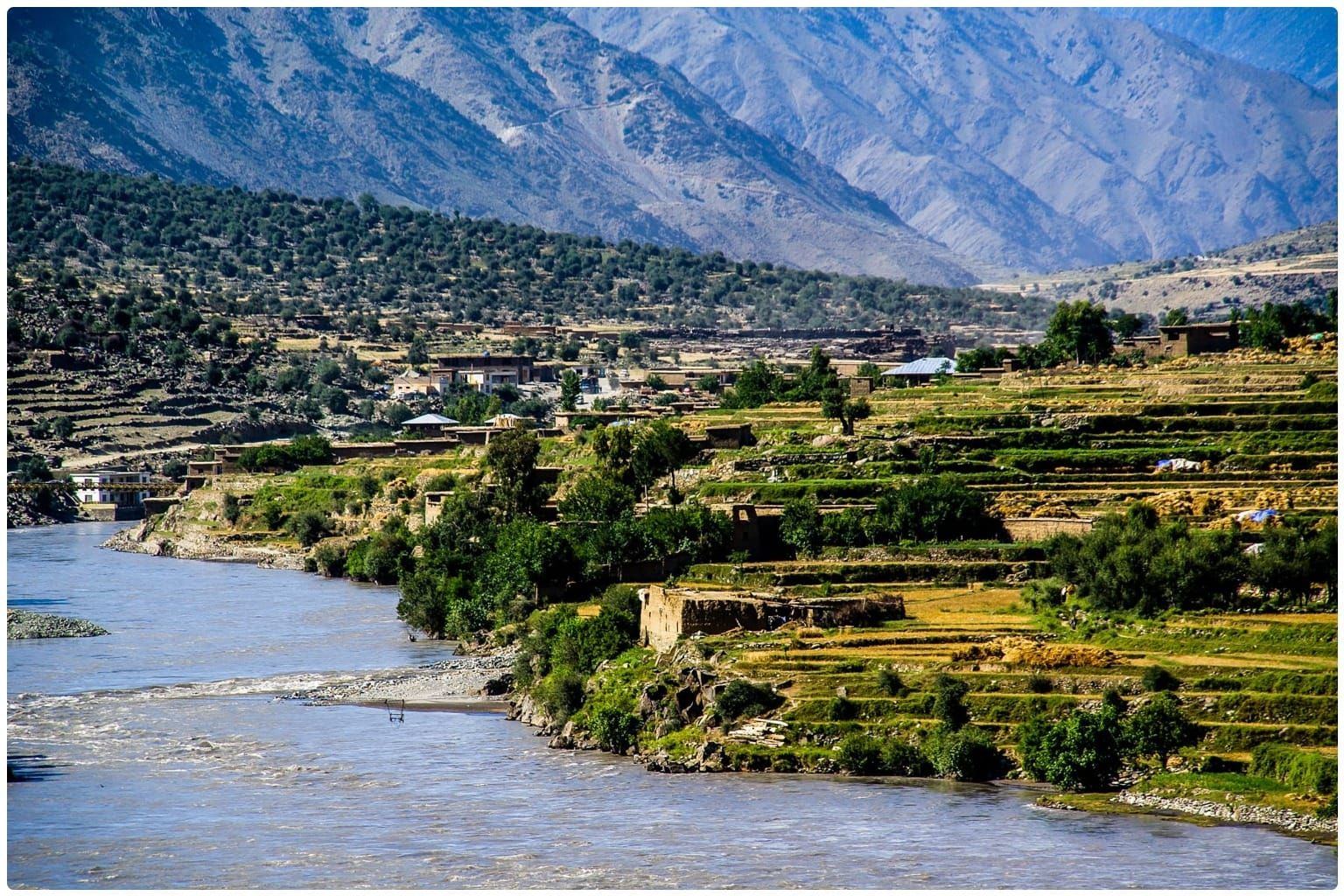
Pakistani airstrikes have hit Afghanistan’s Kunar and Helmand provinces, with the Taliban government in Kabul saying nine civilians, including women and children, were killed and 11 others wounded.
Afghan government spokesman Zabihullah Mujahid said three homes were destroyed and condemned the operation as an act of aggression. The operation marks another escalation between Pakistan and Afghanistan’s Taliban government following months of cross-border attacks, airstrikes and accusations that each country is sheltering armed groups hostile to the other.
Islamabad accuses Kabul of providing sanctuary to the Tehreek-e-Taliban Pakistan, commonly known as the TTP. The organisation is separate from the Afghan Taliban but shares its Islamist ideology and maintains historical ties with sections of the movement.
#Alert
— نقطةNUQTA (@NUQTA31) October 1, 2026
Pakistan has once again carried out an airstrike on a house in Afghanistan’s Kunar province, killing five people, including three children, and injuring three others. pic.twitter.com/rD9vRseL2A
The TTP has intensified attacks in Khyber Pakhtunkhwa since ending a ceasefire with Islamabad in November 2022. Kabul denies supporting the group and maintains that Pakistan’s security crisis is an internal matter.
The dispute has drawn attention to Pakistan’s longstanding relationship with the Afghan Taliban. Pakistan supported the movement during its rise in the 1990s and viewed it as a means of securing influence in Afghanistan and limiting India’s presence there. Islamabad initially welcomed the Taliban’s return to power in August 2021, but relations deteriorated as TTP violence increased.
Khyber Pakhtunkhwa has faced repeated bombings, ambushes and attacks on police and military installations. A suicide bombing at a checkpoint in Dera Ismail Khan in September killed at least 12 people. Gunmen subsequently attacked an ambulance carrying victims, killing a rescue worker. Three traffic police officers were killed in another attack in Tank district days later.
Pakistan was ranked as the country most affected by terrorism in the 2026 Global Terrorism Index after recording 1,139 terrorism-related deaths and 1,045 incidents during 2025. Khyber Pakhtunkhwa and Balochistan together accounted for almost 96 per cent of the country’s violence-related fatalities during the second quarter of 2026.
Balochistan is confronting a separate insurgency rooted in demands for greater political autonomy, allegations of enforced disappearances and disputes over the control of natural resources. Baloch armed groups have increasingly targeted military installations, mining operations, infrastructure projects and Chinese interests.
Pakistan is also facing political unrest in Pakistan-occupied Kashmir. Protests there have demanded greater political rights, local representation and economic relief. Recent unrest centred on 12 legislative seats reserved for people from Jammu and Kashmir who live elsewhere in Pakistan, an arrangement protesters said weakened the electoral influence of local residents.
At least 24 people were killed during nearly two weeks of protests in June, while more than 500 were detained. Further clashes occurred during regional elections, with internet restrictions and road closures limiting the flow of information.
The latest Afghan strikes therefore come as Pakistan faces simultaneous security pressures along its western border and within Khyber Pakhtunkhwa and Balochistan, alongside political unrest in PoK.
Pakistan says cross-border operations will continue unless Kabul acts against the TTP. Afghanistan regards the strikes as violations of its sovereignty and has warned that it reserves the right to respond, raising the possibility of further escalation between the former allies.