Pakistan has warned Iran to rein in the Houthis after a wave of attacks on Saudi Arabia, raising the possibility that the new Saudi-Turkish-Pakistani defence alliance could be activated barely a month after it was signed. It is an ambitious warning from Islamabad: Pakistan, a country struggling to contain insurgencies within its own borders, may soon find itself explaining how it intends to help defend somebody else's.
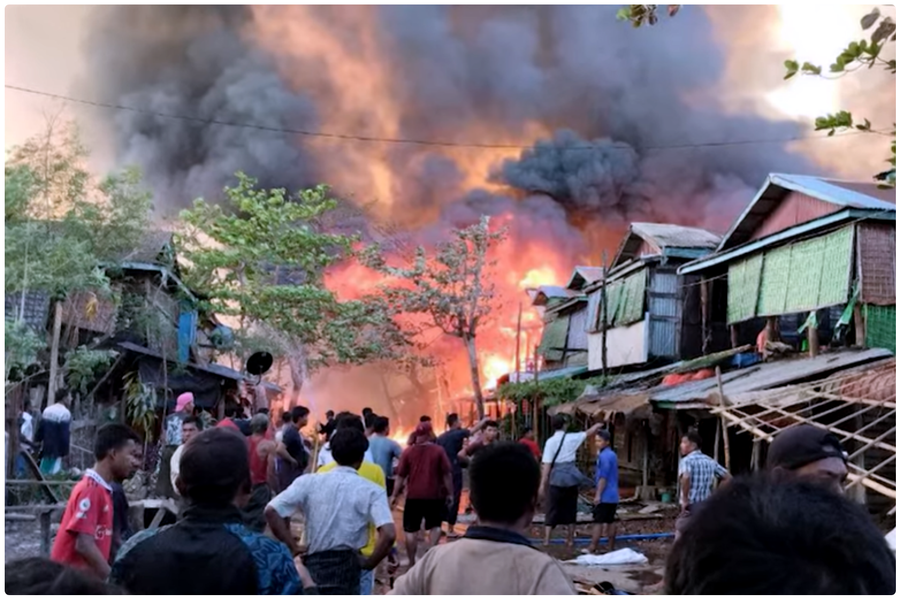
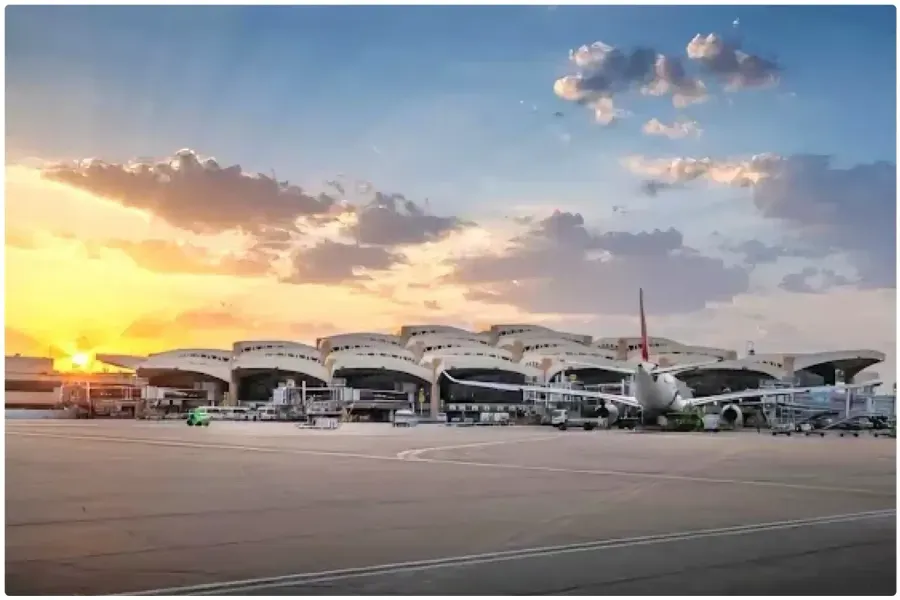
The immediate trigger came from Yemen. Houthi attacks struck an airbase at Khamis Mushait and oil infrastructure in southern Saudi Arabia, leaving 73 people wounded. Saudi forces responded with dozens of airstrikes across Yemen, while Pakistan carried Riyadh's warning directly to Tehran, urging Iran to use its influence over the Houthis before the confrontation widens. Pakistani Defence Minister Khawaja Asif went further, saying that if the violence spills into Saudi Arabia, the Mecca Joint Defence Agreement could become operational. “An aggression on one country will be considered an aggression on all three countries,” he said.
Signed by Saudi Arabia, Turkey and Pakistan on August 7, the pact contains a NATO-like mutual defence pledge under which an attack against one member is treated as an attack against all. The three governments held the first meeting of their Strategic Political and Defence Committee in Istanbul on August 31 and are establishing a permanent secretariat in Saudi Arabia, initially headed by a Pakistani secretary-general. Plans include joint exercises, military interoperability, defence production and technology cooperation. Yet important details remain unclear: there is no NATO-style integrated military command, no standing joint force and no publicly defined mechanism explaining exactly what happens when the collective defence clause is triggered.
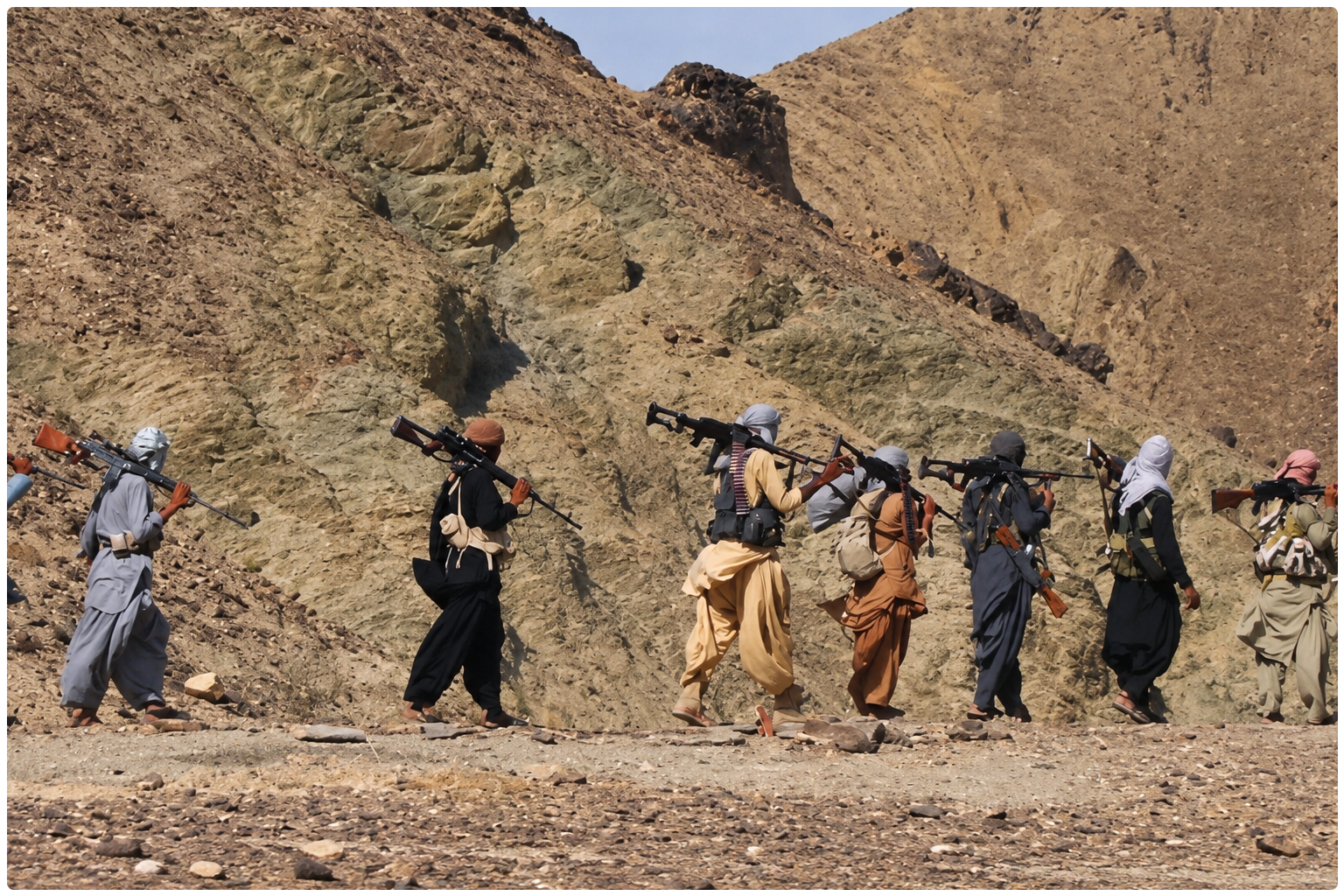
That ambiguity matters now because Pakistan appears determined to project itself as a security provider in the Middle East while facing an increasingly difficult security crisis at home. Pakistani military personnel have also suffered significant losses in the country's ongoing counterinsurgency operations, with dozens killed in recent clashes with militants linked to the Baloch Liberation Army and Tehrik-e-Taliban Pakistan. The BLA continues a separatist insurgency in Pakistan's largest province, while the TTP has driven another wave of militant violence along the Afghan frontier. Earlier this year, coordinated attacks spread across multiple districts of Balochistan, with analysts describing the Balochistan closer to liberation from Pakistani forces.
There is therefore something almost surreal about Islamabad warning Tehran that it may help secure Saudi territory while Pakistan's own security forces are simultaneously fighting separatists in Balochistan and along the Afghan border. A mutual defence pact looks formidable on paper; honouring one becomes considerably more complicated when troops, intelligence assets and military resources are already required at home. Pakistan also shares a roughly 900-kilometre border with Iran, making an open confrontation with Tehran particularly dangerous. Islamabad has spent years trying to balance its deep relationship with Saudi Arabia against the practical necessity of maintaining workable relations with its Iranian neighbour.
Saudi Arabia and Turkey, of course, bring considerable military capabilities of their own, and the pact should not be dismissed simply because Pakistan faces domestic instability. But alliances are ultimately measured not by ceremonies or declarations but by what their members are prepared and capable of doing when the clause everyone signed suddenly becomes real.
The Mecca pact was designed to tell potential adversaries that attacking one member means confronting three. The Houthis may now be forcing its members to prove it. Pakistan has confidently promised that it will honour the agreement if Saudi Arabia requires assistance. The interesting part begins when Riyadh asks exactly what that assistance looks like because Islamabad may discover that promising to help defend the Middle East is considerably easier than securing Pakistan itself.