Six people have died after an explosion destroyed a residential building in Plaka, the historic district in central Athens. Four of the dead were American tourists. The blast on Friday morning brought down an old two-storey building on Lysikratous Street, a short walk from the Acropolis, one of the most visited parts of the Greek capital. Authorities say a gas leak is the leading suspected cause. Questions are now growing over whether warnings from residents were ignored.
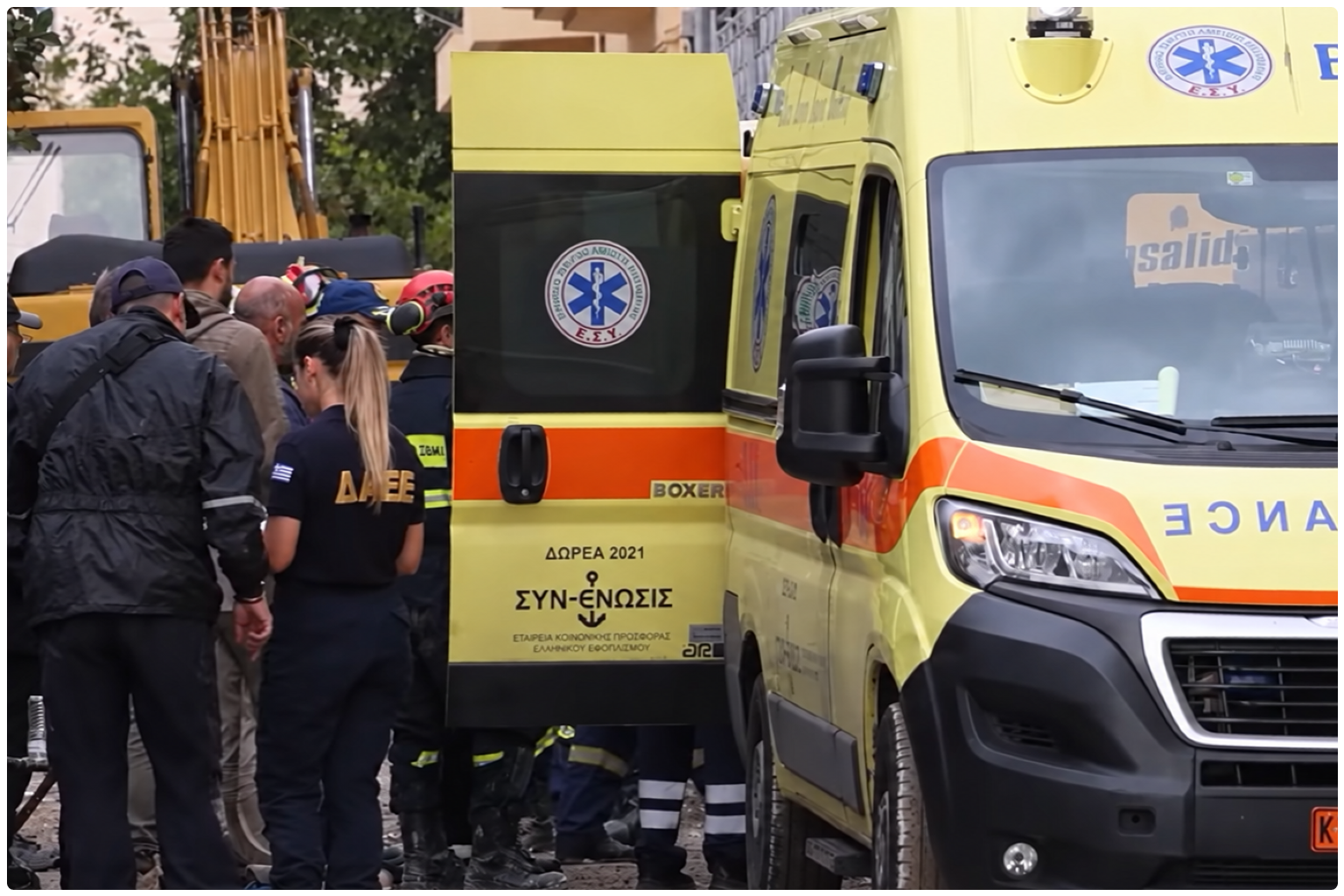
The explosion happened shortly after 7:30 a.m. on Friday, September 25, near Amalias Avenue. Rubble and broken glass were thrown up to three blocks away, damaging nearby houses, shops and cars. Rescue crews in heavy gear searched the ruins with rescue dogs, cameras and sensors. By Saturday afternoon, they had recovered the bodies of all six missing people: three women and three men. Three others were injured: two people in an adjacent building and a passer-by. None of the injuries are life-threatening.
Woke up to this in Athens today...🚨
— Daphne Tolis (@daphnetoli) September 25, 2026
A massive blast just rocked Lysikratous Street in Plaka at 7:30 AM. pic.twitter.com/ZP6nHfRDCG
The American victims were a family staying in a short-term rental on the first floor. They were reportedly a couple, their son and his girlfriend. They were due to check out that day and catch a 3 p.m. flight home from Athens. Their names, ages and home towns have not been released. The other two victims were an elderly couple who lived on the second floor: a 77-year-old British man and his 78-year-old Greek wife. "I am deeply saddened to learn of the death of four American citizens," US Ambassador to Greece Kimberly Guilfoyle said. The US State Department said the four Americans died in a gas explosion.
Investigators are focusing on gas. Athens Mayor Haris Doukas said the blast appeared likely to be linked to gas infrastructure, after witnesses reported smelling gas beforehand. He described it as an "incredible disaster." A 10-member team from the Fire Service's arson unit is collecting evidence under the direction of the Athens prosecutor's office. Investigators say damage from the shock wave is concentrated at second-floor height. The second-floor apartment was the only unit still connected to natural gas. Authorities are also examining whether a propane cylinder could have been involved. The official cause has not yet been confirmed.
The most troubling questions concern the warnings that came before the blast. A year ago, Plaka residents wrote to the city and utility companies warning of the risk of gas leaks or short circuits. They urged a fire drill to test the district's emergency plans. A citizens' group has also said a resident of Lysikratous Street had alerted authorities after smelling a possible gas leak. Official accounts differ. A national police spokesperson confirmed that residents had reported a possible gas smell before the explosion. A fire service spokesman said the fire service itself had received no complaint.
The damage may not be over. Inspectors are assessing whether two neighbouring buildings are safe or must be demolished. Nearby properties have already been evacuated.
The tragedy is likely to increase scrutiny of safety in Plaka's ageing buildings. Many of them now house hotels and short-term rentals for the tourists who crowd the area. For the families of the six victims, one question will dominate the investigation: whether this disaster could have been prevented.