Russia has warned Estonia that its increasingly restrictive policies towards Moscow are bringing relations dangerously close to open conflict, following Tallinn's decision to close its road border crossings and accusations that Russian intelligence was behind an attempted attack on an Estonian defence manufacturer.
The warning was delivered on November 23 after Russia's Foreign Ministry summoned Estonia's acting chargé d'affaires in Moscow, Marek Uhtegi. In its official account of the diplomatic protest, the ministry described Estonia's actions as provocative and extremely dangerous, saying they were approaching the point of triggering open war with Russia.
Moscow's objections extend beyond the border closure. The Russian ministry accused Estonia of allowing Ukrainian drones to use its airspace for attacks against Russian territory, attempting to obstruct Russian commercial shipping in the Baltic Sea and imposing restrictions affecting Russian-speaking communities.
It also criticised Estonia's ban on the transit of Russian and Belarusian grain, alongside measures affecting the Russian language and the Estonian Orthodox Christian Church. Moscow maintains that these policies discriminate against Russian interests and contribute to deteriorating regional relations.
Tallinn has rejected the accusations. In a statement responding to Moscow's allegations, Foreign Minister Margus Tsahkna accused Russia of attempting to divert attention from its own activities. Estonia has also repeatedly denied permitting Ukrainian forces to use its territory or airspace for military operations against Russia.
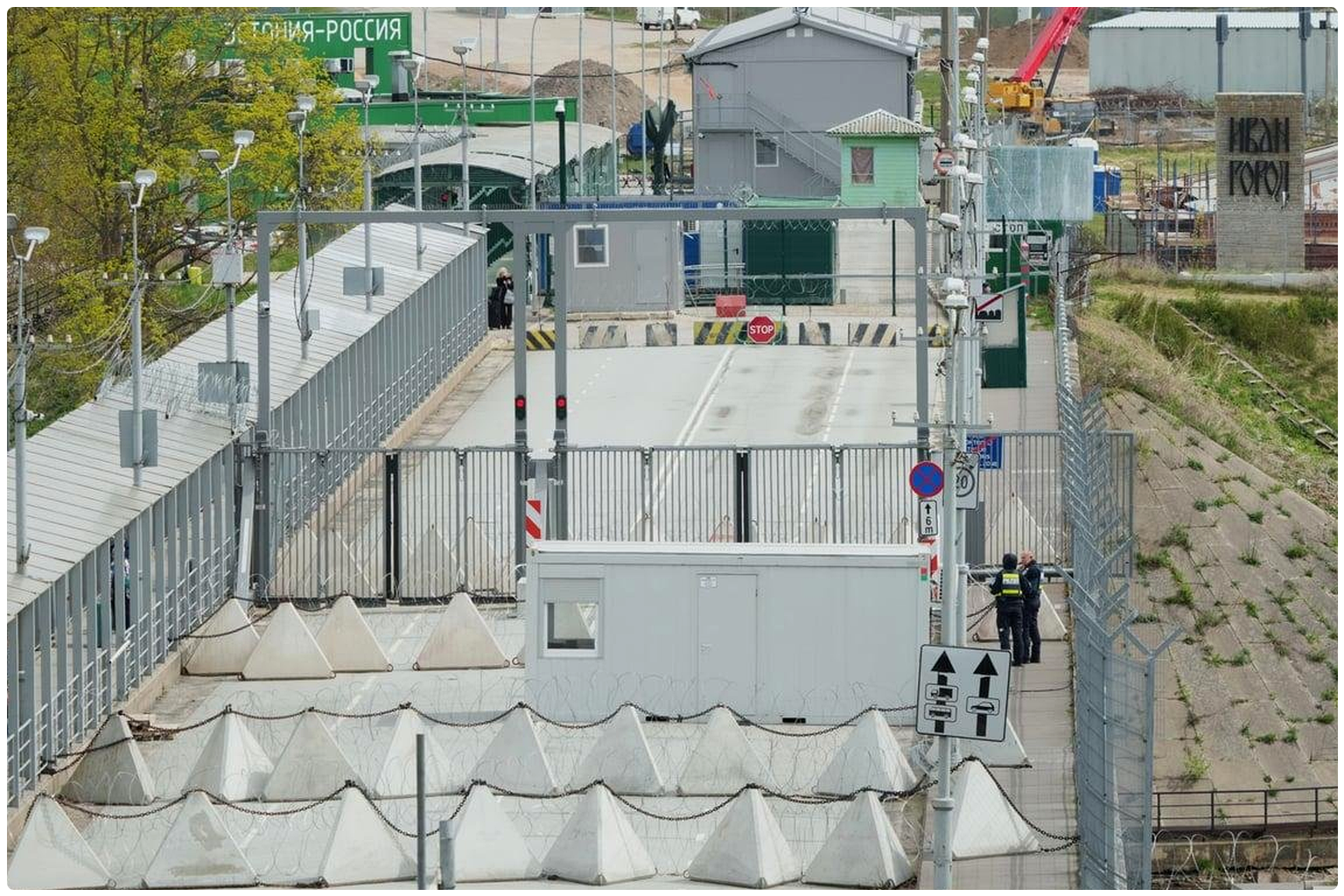
The diplomatic confrontation follows a decision that will directly affect movement across the two countries' shared frontier.
On November 20, the Estonian government approved the suspension of road border crossings with Russia from December 1. The restrictions will be reviewed after six months and will cover passengers and road vehicles, while railway freight operations will continue under existing controls.
The closure had been announced earlier in November, following an attempted attack on drone manufacturer Threod Systems in Viimsi, near Tallinn.
According to the Estonian Prosecutor's Office, the November 14 incident involved an attempt to cause an explosion and set the company's premises on fire. Security personnel prevented substantial damage, and eight suspects were detained.
Estonian security authorities have attributed the attempted attack to Russia's military intelligence service, the GRU. Moscow denies involvement and maintains that Tallinn has presented insufficient evidence to substantiate the allegation. The criminal investigation has not produced a final judicial finding establishing responsibility.
The closure carries consequences beyond the diplomatic dispute. Residents with relatives across the frontier will face longer journeys, while businesses dependent on cross-border transport must adjust to the suspension. Estonian authorities have acknowledged these difficulties but argue that security considerations justify the restrictions.
Russia, meanwhile, maintains that the decision will damage Estonia's economy and affect its European partners. Its Foreign Ministry has reserved the right to adopt further political and diplomatic measures to protect Russian interests and citizens.
For Estonia, which belongs to NATO and the European Union, the dispute also concerns its responsibilities along the alliance's eastern frontier. Moscow's warning has therefore brought another bilateral disagreement into the wider discussion of security in the Baltic region.
Despite the language used by Russia's Foreign Ministry, no declaration of war or immediate Russian military action against Estonia has been announced. Moscow's stated response remains political and diplomatic, while Tallinn's border restrictions are scheduled to take effect on December 1.