A powerful explosion has triggered a fire at a weapons storage facility in central Bulgaria, the second incident involving an arms site operated by the same company in just over a month and the latest in a long history of suspicious explosions at Bulgarian munitions depots.
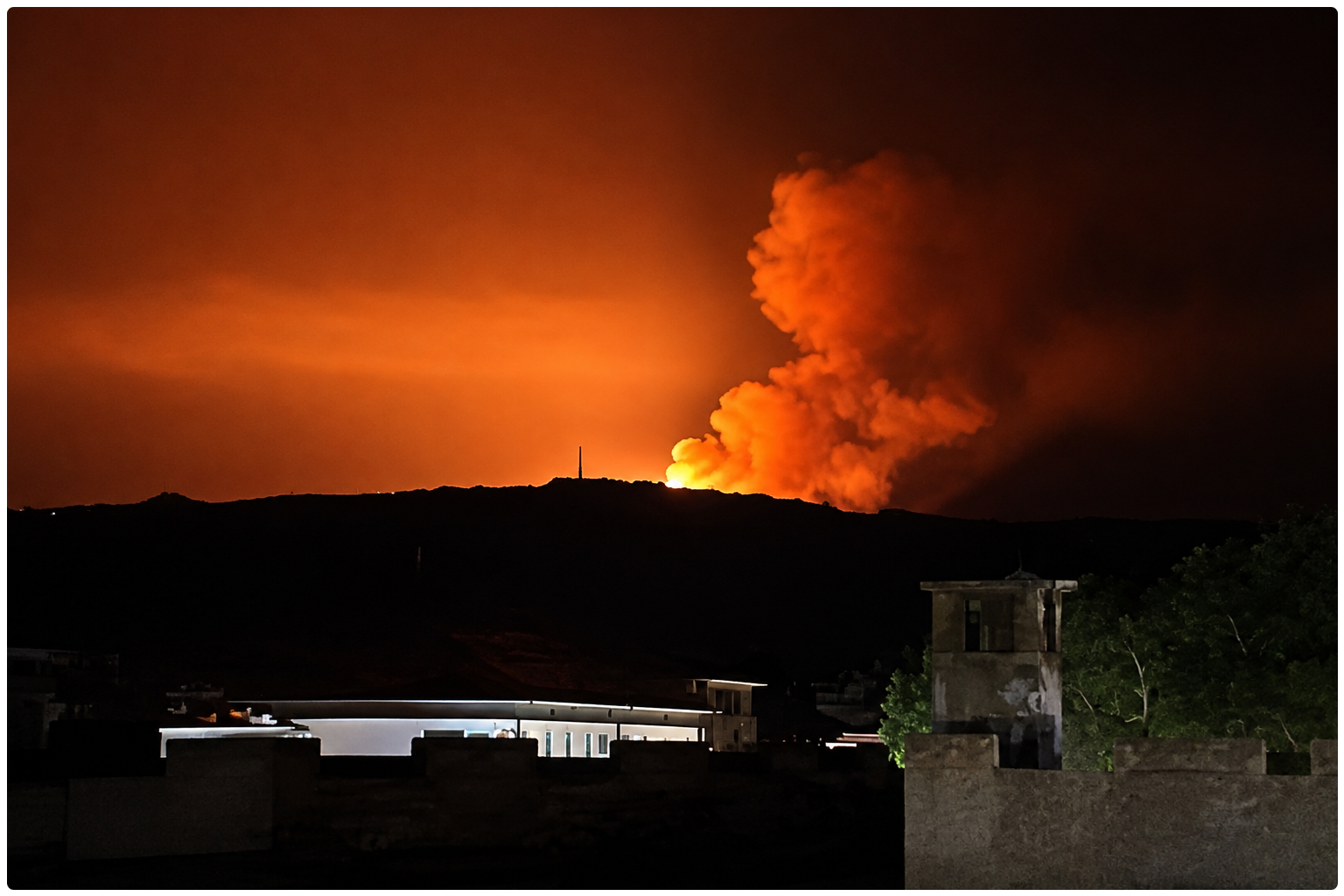
The blast occurred overnight near the village of Tsareva Livada, between Tryavna and the village, at a storage facility reportedly operated by Bulgarian arms manufacturer EMCO. Videos broadcast by local media showed flames illuminating the night sky as the fire spread through the complex.
No deaths or injuries have been reported.
Gabrovo regional governor Kristina Sidorova said the fire was moving from one warehouse to another inside the storage base. Local officials cordoned off the area while emergency teams monitored the blaze. The facility reportedly stores ammunition, explosives and propellant charges.
What makes the incident particularly striking is what happened barely a month earlier.
On August 10, another fire broke out at an EMCO ammunition facility near the village of Belitsa in the same region. Workers were evacuated and there were no casualties, but explosions scattered unexploded ammunition and metal fragments around the site. Bulgarian military teams later recovered 60 unexploded munitions and around two tonnes of debris from the surrounding area.
Investigators have still not established what caused that fire. Bulgarian prosecutors have said they are examining multiple possibilities, including an accident, breaches of safety procedures and deliberate interference. Bulgaria's State Agency for National Security has also joined that investigation.
The latest explosion inevitably raises a more uncomfortable question because of EMCO's history.
The company is controlled by Bulgarian arms dealer Emilian Gebrev, a figure who has repeatedly appeared in investigations involving alleged Russian intelligence operations in Europe. Bulgarian prosecutors have accused Russian operatives of involvement in explosions at EMCO arms depots that stored ammunition intended for export to Ukraine and Georgia.
In 2024, Bulgaria issued arrest warrants for six Russian citizens accused of involvement in attacks on weapons facilities between 2011 and 2020. Prosecutors have also said they believe there may be links between explosions at Bulgarian arms depots, the attempted poisoning of Gebrev in 2015 and the destruction of ammunition warehouses at Vrbětice in the Czech Republic in 2014.

Gebrev survived the 2015 poisoning, which investigators later linked to suspected members of Russia's GRU military intelligence. Investigative reporting has separately linked GRU Unit 29155 to the 2011 explosion at an ammunition depot near Lovnidol that stored weapons belonging to EMCO.
Moscow has repeatedly denied allegations that it was responsible for sabotage operations against European weapons facilities.
There is currently no evidence establishing Russian involvement in Friday night's explosion. Even EMCO's management said after the August fire that there was then nothing indicating external interference.
But two incidents at facilities belonging to the same arms company within weeks will inevitably attract scrutiny, particularly given Bulgaria's importance to Europe's defence industry and the country's role in supplying ammunition that has ultimately reached Ukraine.