Serbia's student movement, born from public anger over a railway station disaster two years ago, is confronting the political establishment at the ballot box for the first time. Voters turned out in unusually large numbers on Sunday, October 25, for a parliamentary election that has become a test of Aleksandar Vučić's fourteen years of political dominance.
By 1pm local time, an estimated 41.1 per cent of eligible voters had cast their ballots, compared with 26.6 per cent at the same stage of the December 2023 election, according to figures published by independent election monitor CRTA. Long queues formed at polling stations in Belgrade and other cities, reflecting an electorate considerably more engaged than in recent parliamentary contests.
The election follows nearly two years of demonstrations that began after the collapse of a concrete canopy at Novi Sad railway station in November 2024. Sixteen people died in the disaster, which became a focal point for allegations of corruption, inadequate oversight and political interference in public institutions.
Students who initially demanded accountability for the deaths gradually built a nationwide protest movement. Their marches, university occupations and mass gatherings drew support from teachers, farmers, professionals and citizens dissatisfied with the concentration of political power.
🇷🇸 Thousands packed central Belgrade for the closing rally of the Student List, the main challenger to Aleksandar Vučić in Sunday's snap parliamentary election. https://t.co/r5QmIuevT4
— brane mijatovic (@brane_mija64426) October 22, 2026
The movement has now entered electoral politics through a list of candidates drawn largely from outside Serbia's established opposition parties. Among them are academics, medical professionals and other public figures. Their campaign has concentrated on fighting corruption, strengthening independent institutions and improving education.
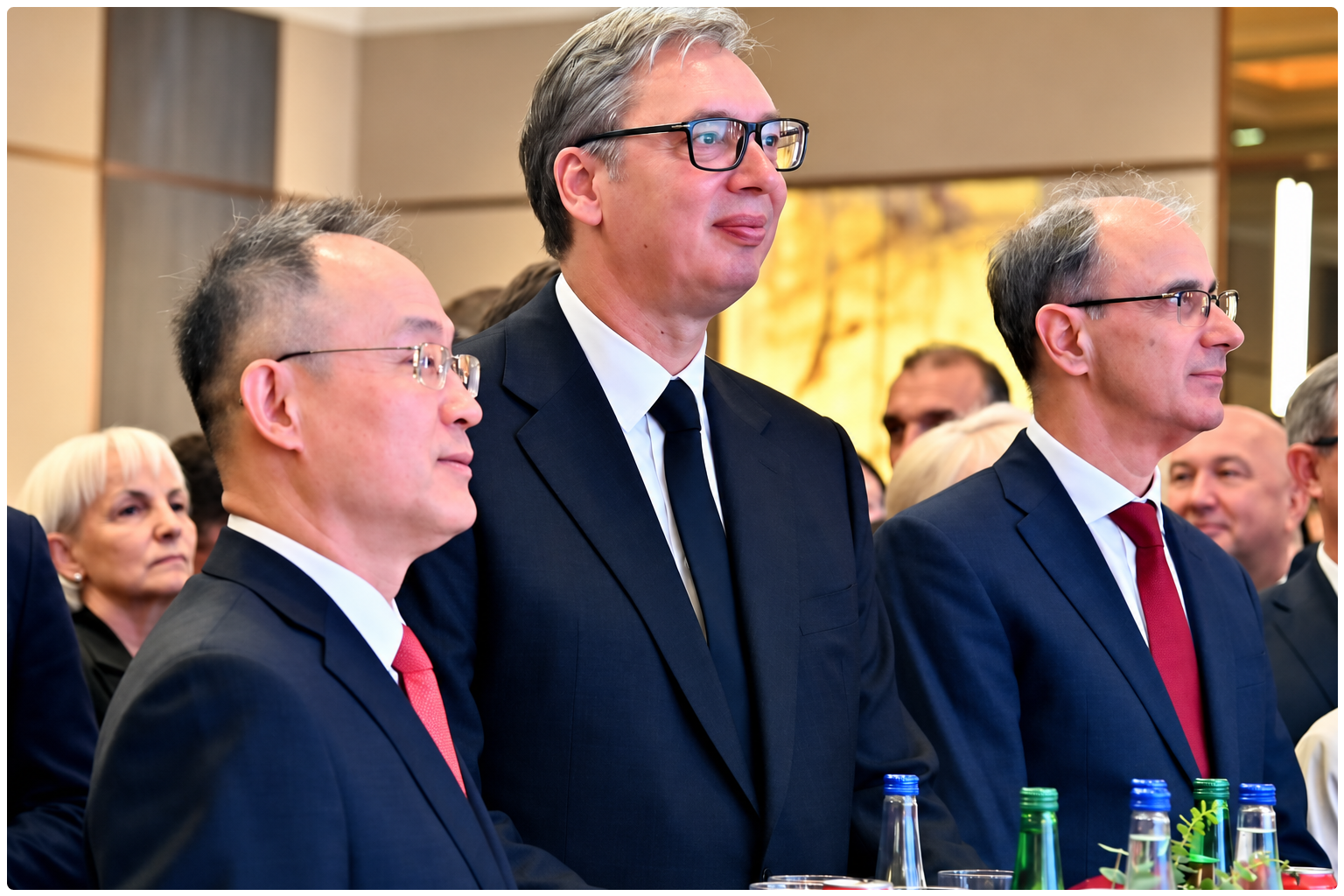
The ruling Serbian Progressive Party (SNS), meanwhile, is campaigning on economic stability, infrastructure development, higher pensions and continued investment in public services. Vučić, who resigned as president in September to contest the parliamentary election and seek the premiership, remains the central figure in the party he has led to successive victories since 2012.
The Republic Electoral Commission confirmed that polling stations would operate from 7am until 8pm, with 18 electoral lists competing for seats in the 250-member National Assembly.
The campaign has been accompanied by allegations of intimidation, unequal media access and irregularities in voter registration. CRTA observers reported incidents involving the photographing of ballots and other breaches of electoral procedures during Sunday's voting. The organisation deployed more than 2,000 observers across a representative sample of polling stations.
International scrutiny has also intensified. The OSCE's Office for Democratic Institutions and Human Rights has deployed an election observation mission, with representatives from European parliamentary institutions participating in the assessment. Preliminary findings are expected on October 26.
Serbia's relationship with the European Union has remained a recurring issue throughout the campaign. Although formally pursuing EU membership, successive governments under Vučić have maintained close ties with Russia and China. The student-backed movement has focused primarily on domestic institutional reform, leaving some questions about its foreign-policy direction unresolved.
The election also raises difficult questions for Brussels. European governments have worked with Vučić on migration, regional stability and economic cooperation, even as concerns over democratic standards in Serbia have persisted.
High turnout demonstrates the intensity of public participation, but it cannot establish which electoral list has benefited. The distribution of seats will depend on the final vote count and the performance of smaller parties.
Polling continues until Sunday evening, with official results expected to provide the first clear measure of whether the protest movement has translated its public mobilisation into parliamentary representation.