The student protests that began outside Serbian universities after the Novi Sad railway station disaster have achieved something the country's established opposition could not: an electoral defeat for Aleksandar Vučić's Serbian Progressive Party (SNS), ending its fourteen-year hold on national government.
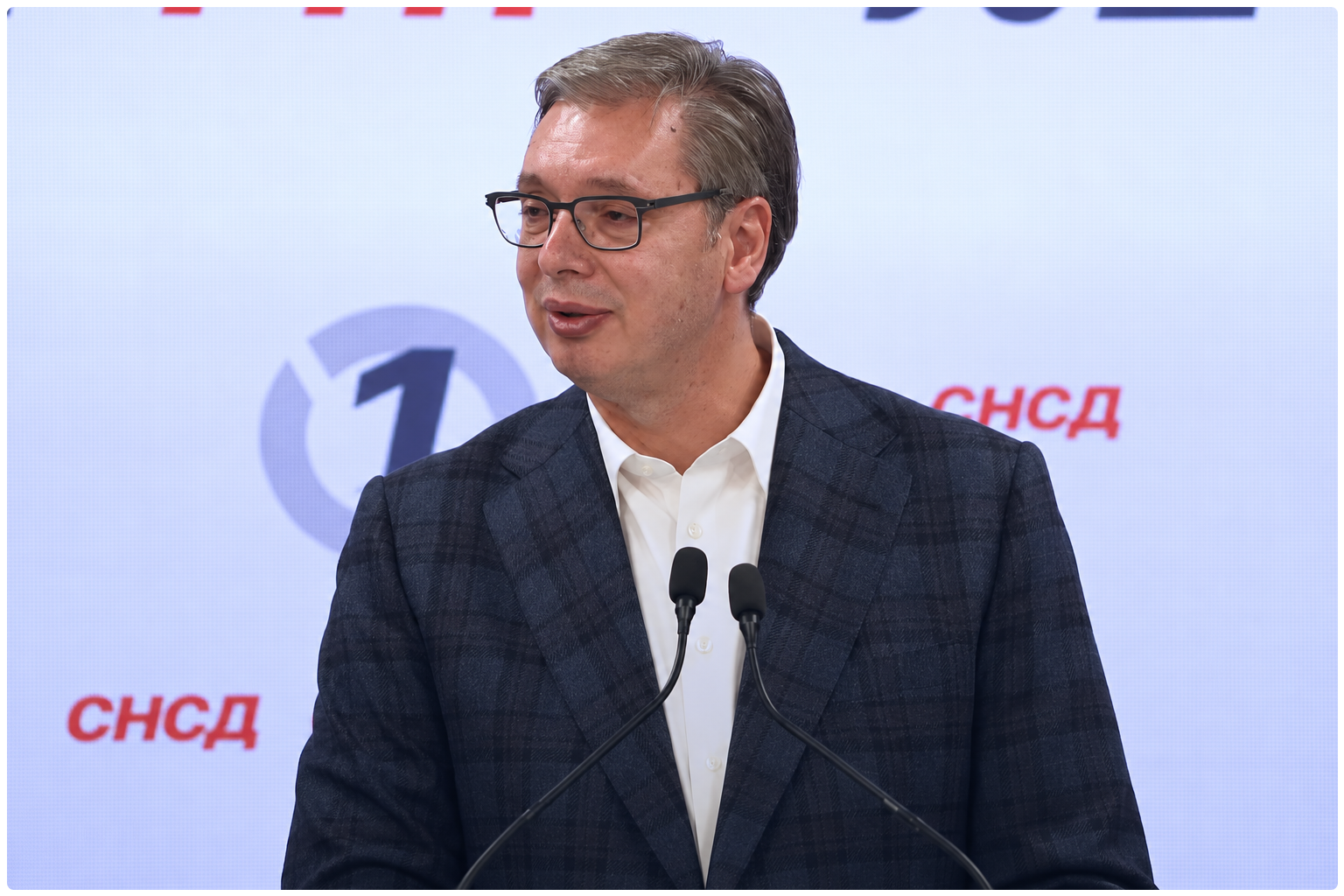
Vučić conceded defeat late on Sunday, October 25, after projections showed the student-backed electoral list winning an outright majority in Serbia's 250-seat National Assembly. The result marks an extraordinary political reversal for a movement that began with demands for accountability over a construction disaster and gradually became a challenge to the institutions governing Serbian public life.
Projections by election monitors CeSID and Ipsos placed the Student List, campaigning under the name Students Win, at approximately 52.9 per cent of the vote, against 38.8 per cent for Vučić's United Serbia coalition. The student-backed list was projected to secure 140 parliamentary seats, comfortably exceeding the 126 needed for a majority, while the SNS-led coalition was expected to take 103. Final certified results remained pending.
‼️🇷🇸"Western puppets have come to power": Former Serbian President Vučić acknowledged his party's defeat in the parliamentary elections ▪️The Student List, supported by student protesters, won. ➖"We don't have final results yet. But based on preliminary data, it's clear that we lost these elections. The Student List won," Vučić stated. ▪️The opposition won 135 seats in parliament, while the coalition around his Serbian Progressive Party "United Serbia" won 105 seats. There are 250 seats in parliament in total. ▪️Vučić accused his political opponents of acting in the interests of European countries. He called the incident a "verification of the revolution," which was carried out "with the direct support of European countries and the American 'deep state,' which opposes Trump." He described the victorious Student List as "mere executors of someone else's dirty work, aimed at destroying a sovereign country." 🇷🇺According to him, the winning opposition will allegedly introduce anti-Russian sanctions by March-April of next year. Meanwhile, the Student List had previously publicly promised not to impose sanctions against Russia. On September 30, the movement confirmed its intention to maintain Belgrade's previous policy on this issue. The Student List emerged amid mass anti-government protests that began after the collapse of the Novi Sad train station canopy in November 2024. Sixteen people died. Protesters accused the authorities of corruption and demanded early elections. RV
— dana (@dana916) October 25, 2026
For Vučić, who resigned the presidency in September to contest the election, the defeat closes a period in which his political network dominated Serbia's government, parliament and much of its public administration. The SNS first entered government in 2012, and Vučić subsequently served as prime minister before becoming president in 2017.
The political movement that defeated him had no comparable organisational history.
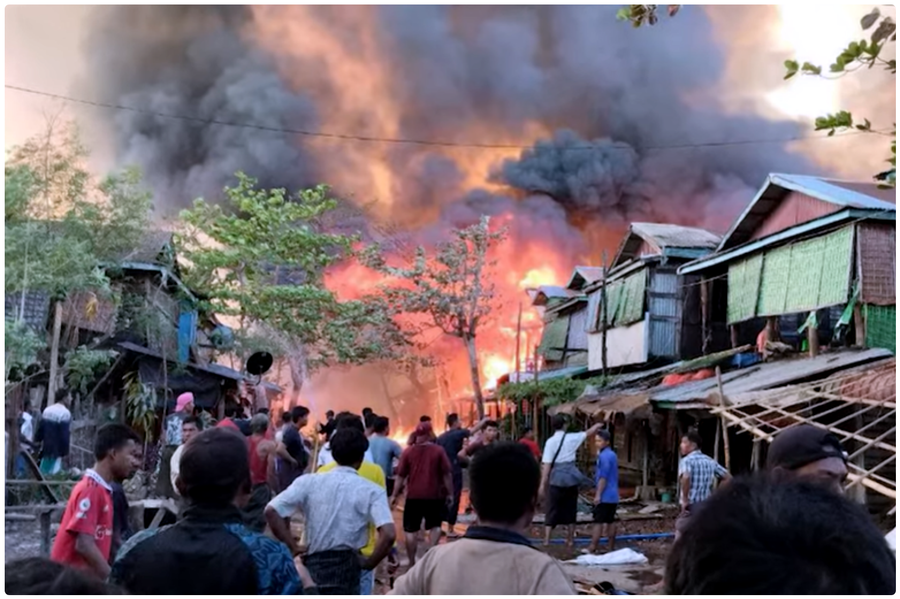
On November 1, 2024, the concrete canopy of the recently renovated Novi Sad railway station collapsed, killing 16 people. The disaster provoked demands for transparency over public contracts, construction oversight and the responsibility of officials involved in the project.
Students occupied university buildings and organised demonstrations that spread across Serbia. What began as a demand for accountability developed into a broader campaign against corruption and political interference in public institutions. By the time the Republic Electoral Commission formally recognised the Student List in September, the movement had transformed months of street mobilisation into an electoral organisation.
Sunday's participation reinforced the scale of that transformation. Turnout approached 70 per cent, substantially above previous parliamentary elections. Independent observer CRTA recorded participation of 67.8 per cent by 7pm, compared with 55.5 per cent at the equivalent stage in 2023.
Voting was not without controversy. CRTA reported pressure on voters and polling officials, incidents of violence outside polling stations and procedural irregularities. Its pre-election assessment had already raised concerns about unequal campaigning conditions and restrictions affecting independent observation.
The result also raises questions for Serbia's European neighbours. Vučić maintained formal negotiations over EU accession while preserving close relations with Russia and China. The student movement has concentrated on institutional reform, judicial independence and public accountability, without presenting an equally detailed position on all aspects of foreign policy.
A parliamentary majority will give the incoming administration considerable legislative authority, but replacing political appointees, strengthening oversight institutions and restoring confidence in public procurement will require more than an electoral victory.
The collapse at Novi Sad brought thousands of Serbians into the streets. Two years later, their movement has changed the country's parliamentary arithmetic. Whether it can change the institutions that first brought them out to protest will be the more demanding undertaking.