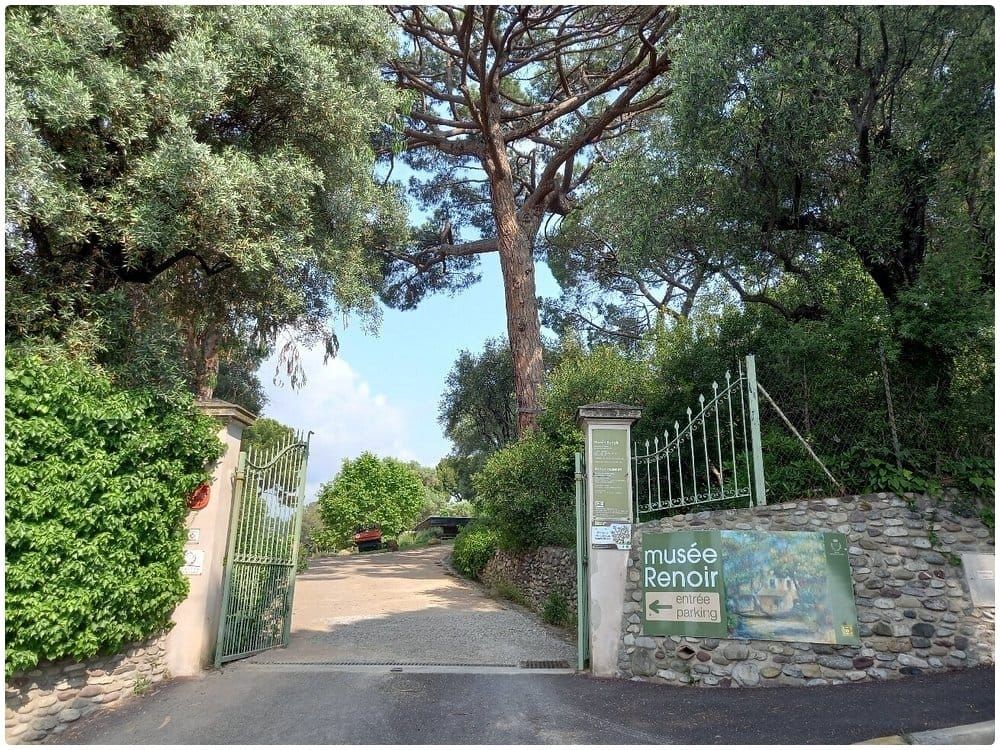
Two thieves have stolen paintings by French Impressionist master Pierre-Auguste Renoir from a museum established inside the artist's former home on the French Riviera, escaping despite police arriving within minutes of the alarm being triggered.
The robbery took place shortly before 6 am on Tuesday at the Renoir Museum in Cagnes-sur-Mer, between Nice and Cannes in southern France.
The thieves initially removed four paintings from the museum but abandoned two while fleeing, according to the latest reports.
Two paintings remain missing: Madame Colonna Romano, painted in 1910, and Young Woman at the Well, dating from 1886.
The two recovered works have been identified as Coco Lisant, from 1905, and Portrait of Madame Pichon, painted in 1895.
The mayor's office initially estimated the value of the four targeted artworks at approximately €9 million, or around $10 million, although that valuation could change now that two of the paintings have been recovered.
What makes the robbery particularly striking is how quickly it unfolded.
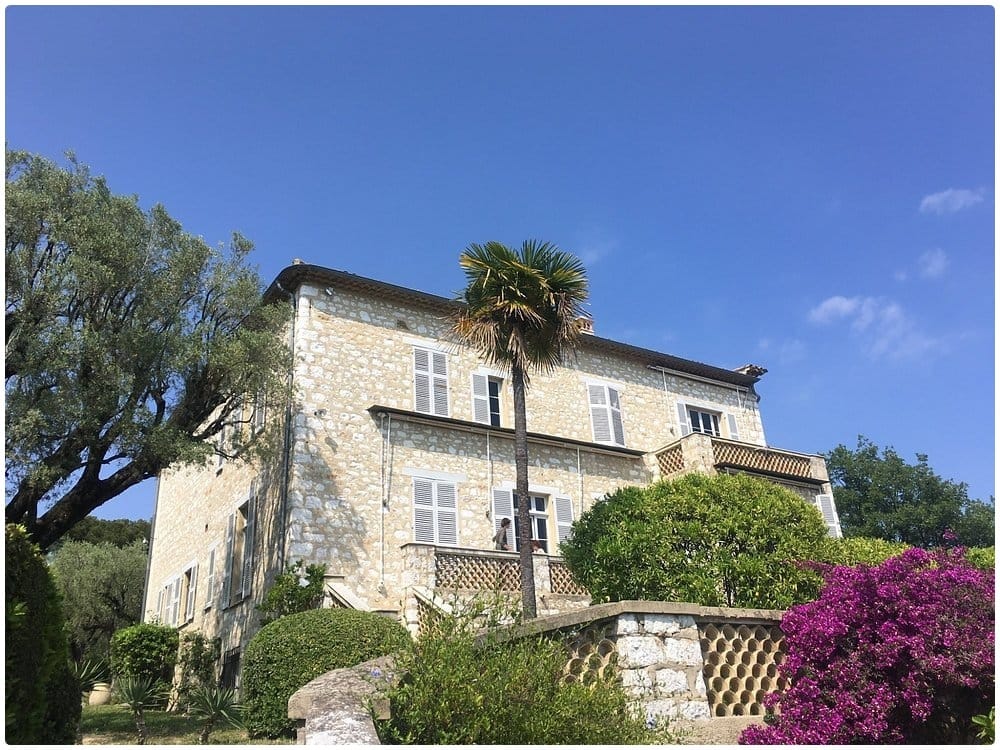
At approximately 5:48 am, the thieves cut through the museum's perimeter fence and entered its gardens.
They were reportedly wearing helmets, gloves and combat-style clothing and carried tools including an electric knife and a hacksaw.
After crossing the gardens surrounding the property, they broke through a window and entered the museum.
Surveillance footage reportedly shows them cutting paintings from their frames.
The alarm immediately alerted municipal and national police.
By 5:53 am, just five minutes after the alarm was triggered, officers had reached the museum.
Cagnes-sur-Mer Mayor Bryan Masson said the suspects were spotted through the town's video-surveillance network and fled as police arrived, abandoning two of the paintings during their escape.
The two suspects remain at large.
The location of the robbery adds another dimension to the theft.
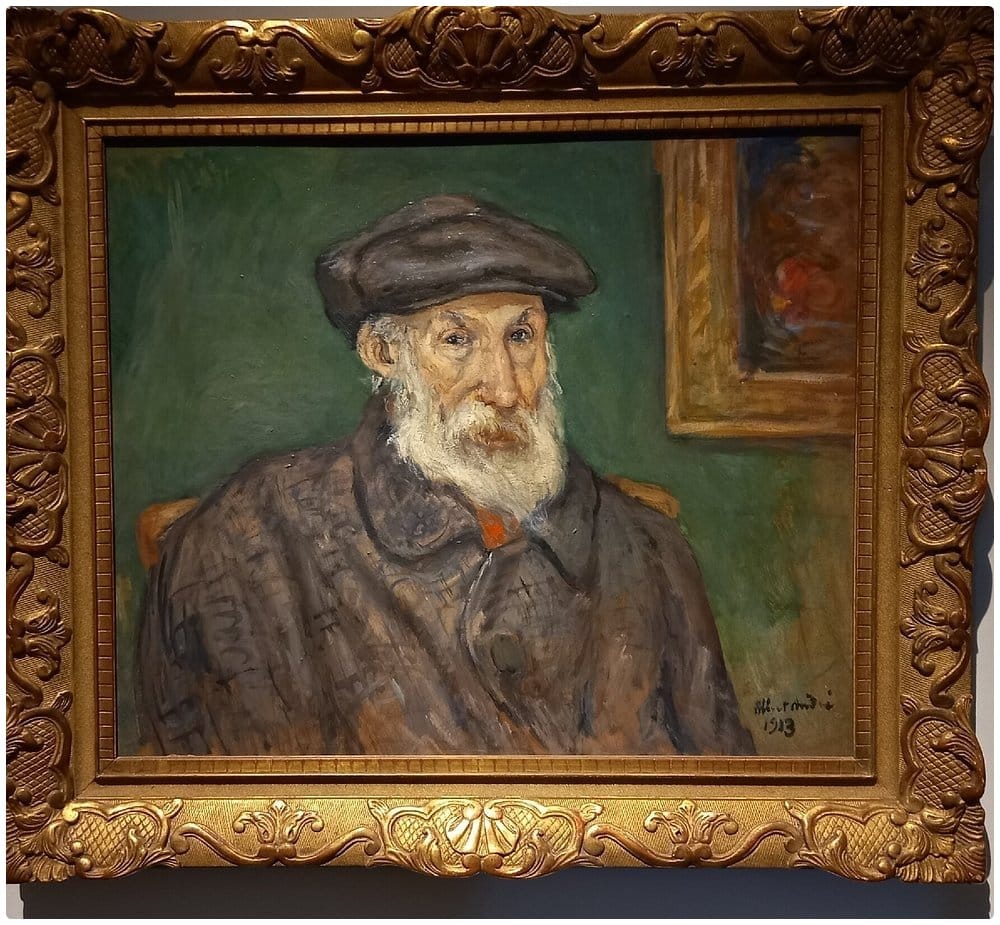
The museum is not simply a gallery displaying Renoir's paintings. It is the artist's final home.
Renoir purchased the Domaine des Collettes estate in 1907 and lived there during the final years of his life. He continued painting despite suffering severe rheumatoid arthritis and died at the property in 1919.
The estate was converted into a museum in 1960.
Today, visitors can see Renoir's original furniture, easel and wheelchair alongside paintings, sculptures, photographs and other objects connected to his life.
The museum holds more than a dozen Renoir paintings and around 40 sculptures.
The robbery comes amid growing concern about the security of Europe's museums.
Europol warned last month that art thefts are increasingly being carried out not only by specialised criminal networks but also by more opportunistic groups, sometimes recruited through social media.
France has already experienced one of the most spectacular museum robberies in recent memory.
In October 2025, thieves raided the Louvre in Paris and escaped with jewellery valued at approximately €88 million, including pieces associated with French royalty and Empress Eugénie.
Four suspects in that case have since been arrested, but the stolen jewels remain missing.
Other European museums have also recently been targeted. Four works by Renaissance painter Antonello da Messina were stolen from a museum in Sicily last month.
The Renoir robbery was smaller in monetary terms, but the cultural loss could prove just as difficult to resolve.
Famous paintings present a peculiar problem for art thieves. Their value makes them attractive targets, but their fame makes them extraordinarily difficult to sell openly.
Images, dimensions and provenance of major works are extensively documented, allowing police, auction houses, galleries and collectors around the world to identify them.
For now, investigators are examining surveillance footage and forensic evidence while searching for the two suspects.
Masson has already said the robbery should force authorities to reconsider security around important cultural collections.
“Attacking the Renoir Museum is attacking a part of the history and heritage of Cagnes-sur-Mer,” he said.
The thieves needed only minutes to enter the final home of one of France's greatest painters, remove four works and disappear.
Police now face the considerably harder task of finding where two of those paintings went.