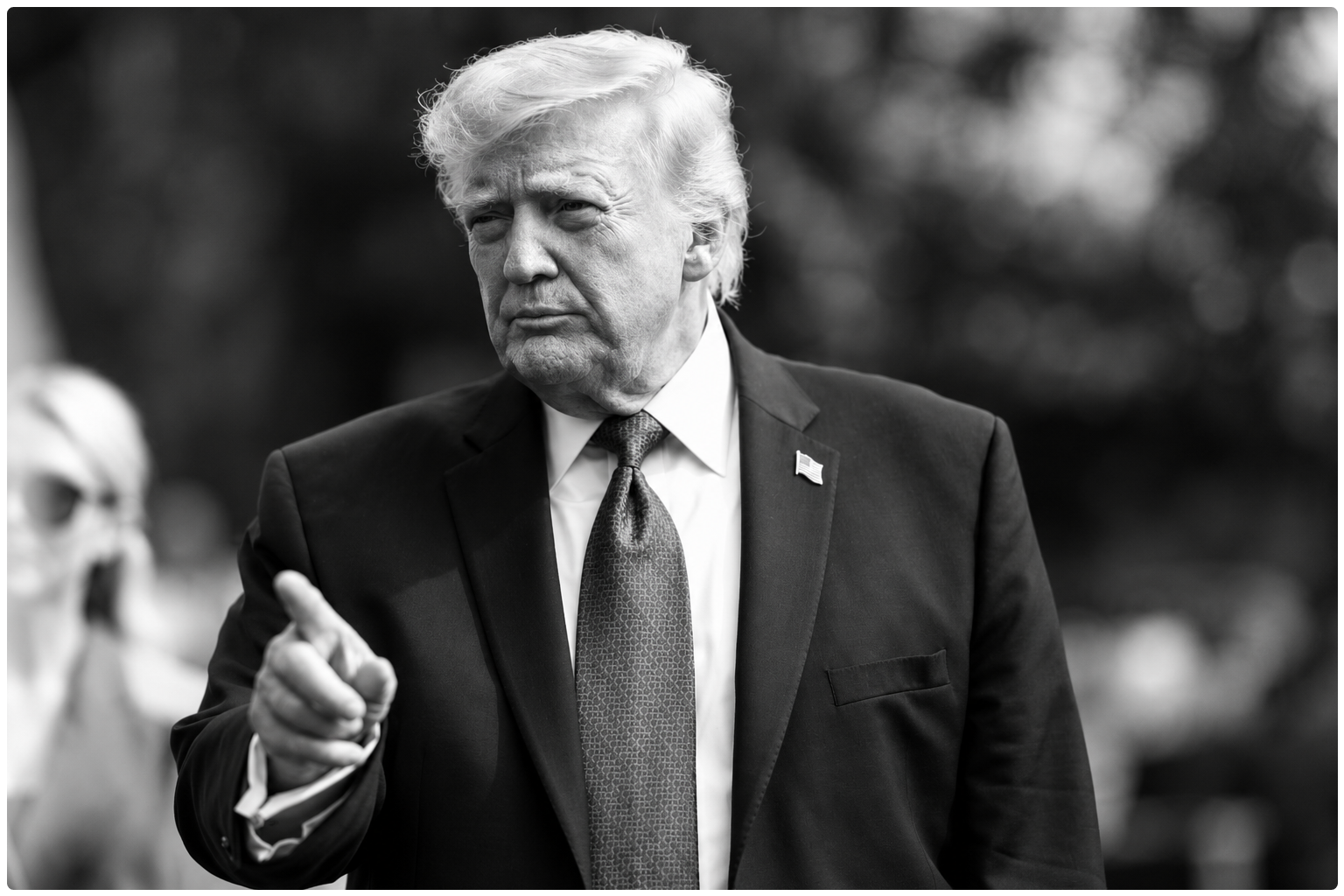
Donald Trump has made one of the most extraordinary promises of the 2026 midterm campaign: if Republicans retain control of both the House and Senate in November, every American adult could receive a $5,000 payment from the federal government.
Speaking at the Republican Party's midterm convention in Dallas, Trump called the proposed payment the “Trump Dividend”, comparing Americans to shareholders receiving a distribution from a successful company. “If the Republicans win, you win with us and you get $5,000,” he told supporters. Trump said the money would have to be spent inside the United States, but offered few other details about who would qualify, when payments would arrive or exactly how the programme would be funded. Vice President JD Vance later suggested wealthy Americans might be excluded, meaning even the basic structure of the proposal appears to remain unsettled.
The mathematics are enormous. There are roughly 270 million adults in the United States, meaning a $5,000 payment to every one of them would cost approximately $1.35 trillion. Trump has previously promoted the idea of returning tariff revenue to Americans, including an earlier proposal for $2,000 payments, and Vance suggested tariffs could again help finance the new dividend. But existing tariff revenues would fall far short of covering a programme on this scale. The United States is already running an annual budget deficit approaching $2 trillion while federal debt has passed $40 trillion. Any nationwide payment programme would also require congressional approval, meaning Republican victories in November would not automatically put $5,000 into Americans' bank accounts.
The timing makes the proposal particularly significant. Republicans enter the November 3 midterms facing an increasingly difficult political environment. Trump's approval ratings have fallen, voters remain frustrated about the cost of living, and the war with Iran has created another source of uncertainty. Republicans currently control Congress, but Democrats need only modest gains to threaten those majorities. Control of the Senate has become increasingly competitive, while Democrats are widely considered to have a serious opportunity to capture the House.
Trump is consequently putting himself at the centre of an election in which his own name will not appear on the ballot. The Dallas gathering, informally dubbed “Trumpapalooza” by Republican National Committee chairman Joe Gruters, demonstrated how closely Republican fortunes remain tied to the president. Trump promised to campaign extensively in battleground districts and urged supporters to behave as though he personally were running. The $5,000 proposal gives that appeal an unusually tangible form: return Republican majorities to Washington, Trump says, and Americans receive a dividend.
There is precedent for Washington sending direct payments to households. Congress authorised several rounds of stimulus cheques during the COVID-19 pandemic under both Trump and Joe Biden. But those payments were responses to an extraordinary economic shutdown and were approved through legislation. Economists have also spent years debating how much pandemic stimulus contributed to the inflation that followed, making another enormous injection of money into household spending politically and economically contentious.
For now, the Trump Dividend is a campaign promise rather than government policy. There is no legislation, no detailed financing mechanism and no guarantee that even a Republican-controlled Congress would approve a programme potentially costing more than $1 trillion. But as a piece of election politics, the message could hardly be simpler: Trump has attached a $5,000 figure to Republican victory. Whether Americans see that as an economic dividend, an election-season giveaway or a promise Washington could never realistically afford may now become part of the battle for Congress.