Congress spent months assembling legislation designed to squeeze Russia's economy and punish countries helping to finance its war in Ukraine. Donald Trump signed it into law in September. Less than a month later, he has put key provisions on hold, leaving Vladimir Putin with a reprieve and lawmakers questioning what became of Washington's promised economic pressure.
Secretary of State Marco Rubio said on October 17 that Trump wanted 60 days to assess what the sanctions and accompanying tariffs would do to the American and global economies. The review comes as fighting involving Iran continues to disrupt energy supplies, leaving Washington reluctant to impose measures that could drive oil prices even higher.
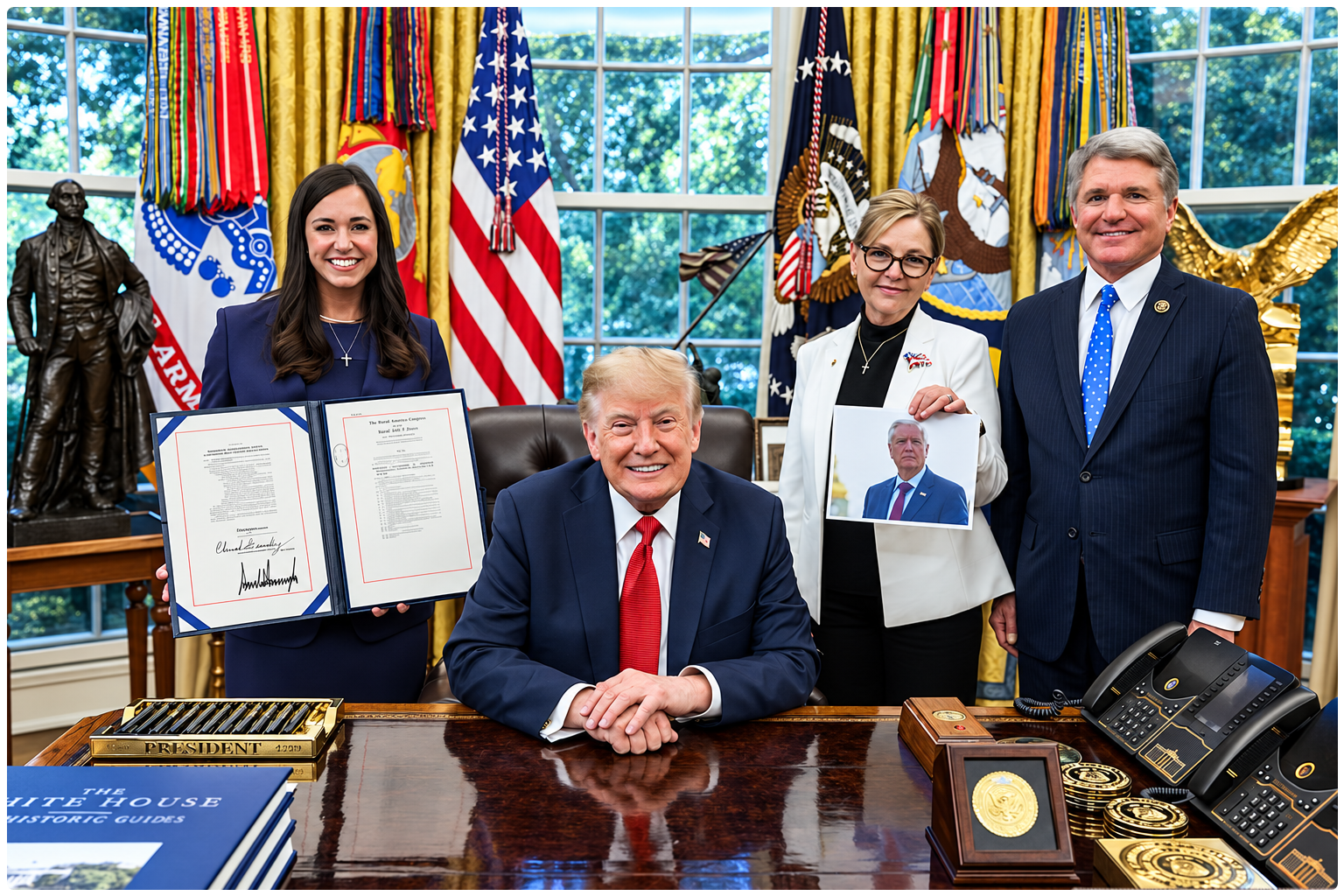
The decision was formalised through an executive order signed on October 16. Trump invoked the national-interest waiver provisions of the Lindsey O. Graham Sanctioning Russia and Iran Act, legislation intended to tighten restrictions on Russian businesses, financial institutions and energy revenues.
The law had given Washington considerable leverage. Alongside restrictions targeting Russia, it authorised tariffs of up to 100% on major purchasers of Russian oil and gas, potentially exposing countries such as India and China to substantial penalties.
Trump's order establishes those tariff rates but waives their application. The United States Trade Representative has been instructed to monitor Russian energy purchases and sanctions evasion, allowing the administration to reconsider the penalties later.
For New Delhi, the pause offers immediate breathing space. India has defended its Russian energy purchases as necessary for affordable and reliable supplies, even as American lawmakers sought to bring major buyers of Russian oil within the reach of punitive tariffs.
Rubio acknowledged that imposing sanctions on Russia while penalising energy-importing countries could have consequences well beyond Moscow. The administration is already struggling with higher fuel costs at home, where inflation reached 3.7% in September, and the November 3 congressional elections are approaching.
Trump's latest decision follows another controversial concession to Russia. Earlier this month, Washington authorised transactions involving Russian-origin diesel as part of an effort to increase fuel supplies. That arrangement prompted Republican senators to join Democrats in demanding its reversal, warning that additional revenue could help Putin sustain the war.
The broader sanctions waiver has revived those objections. Ukrainian President Volodymyr Zelenskyy criticised the decision as a reward for Moscow, arguing that Russia should face greater pressure while its forces continue attacking Ukrainian energy infrastructure.
Some Republican lawmakers have also challenged Trump's retreat from legislation their party helped pass. Congress retains the ability to pursue new restrictions or attempt to limit presidential discretion, although any successful challenge would require enough support to overcome the president's resistance.
Trump has not announced that the sanctions will be abandoned permanently. Nor has the White House identified concessions it expects Russia to make during the review.
The next 60 days will test whether Trump intends to use the threat of sanctions to extract concessions from Moscow or simply avoid another confrontation with Putin. Congress has already made its position clear by passing the legislation. Trump must now decide whether to enforce it, even if doing so carries an economic and political cost at home.