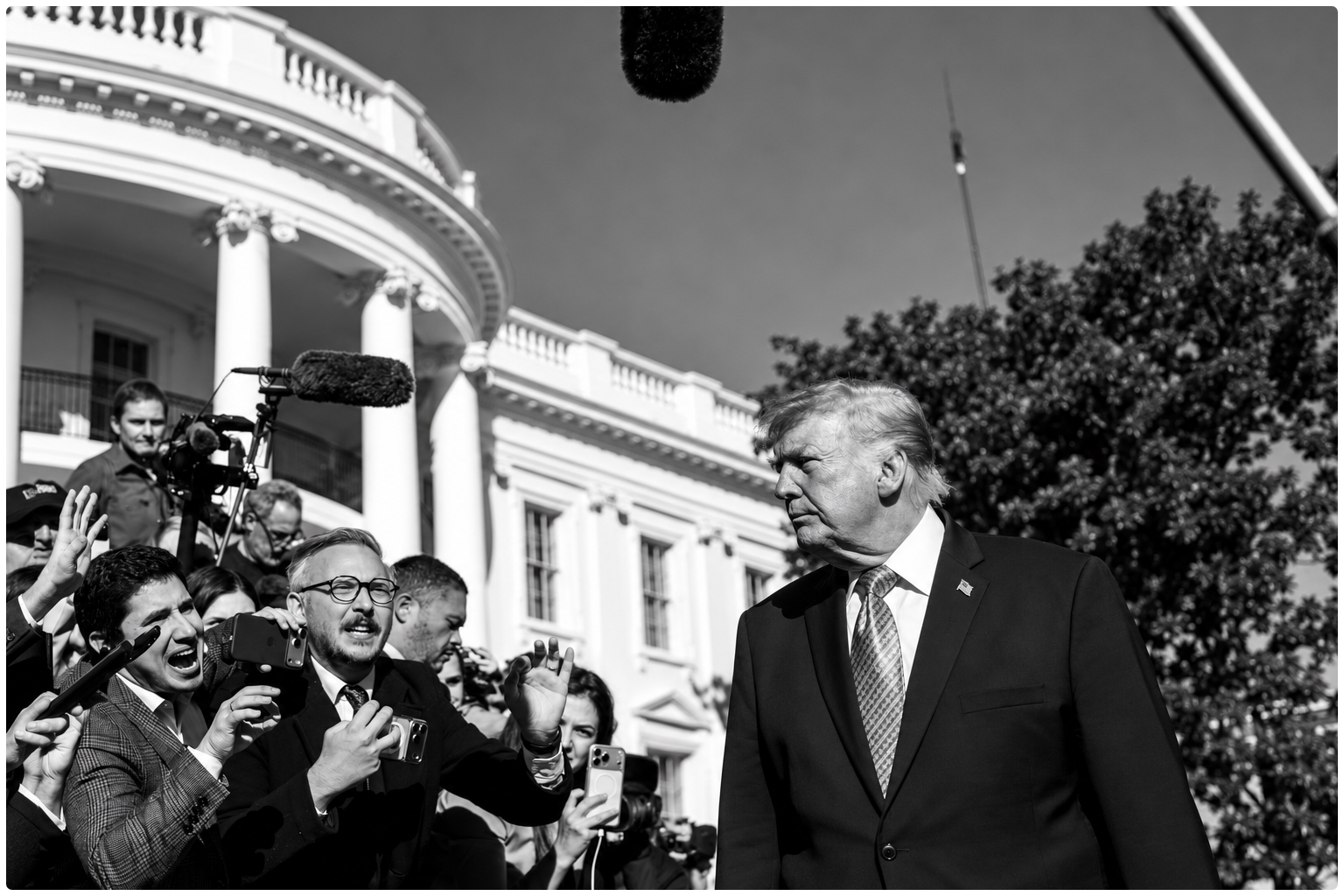
More than 300,000 US visas have been revoked since Donald Trump returned to the White House, and his administration is celebrating the figure as a record. But while Washington has been quick to publicise the scale of its immigration crackdown, it has released considerably less information about the people affected, their nationalities or how many revocations followed criminal convictions.
The State Department announced the latest total on October 20, claiming that visas had been cancelled faster than under any previous administration. In August, the department had reported more than 175,000 revocations. By late September, that figure had reached approximately 250,000.
State Department spokesman Tommy Pigott defended the campaign, saying the government would not tolerate foreign nationals who break American laws, commit fraud or threaten national security.
The administration attributes many cancellations to criminal activity, including assault, drunk driving, theft and drug offences. Officials also say at least 4,000 visas were revoked in cases connected to alleged birth tourism, involving foreign nationals accused of travelling to the United States to give birth or helping others arrange such visits.
Those figures, however, do not establish how many people in the overall total were convicted of crimes, how many faced allegations without convictions or how many lost their visas under broader administrative grounds. No comprehensive public breakdown accompanying the October announcement answers those questions.
Trump campaigned on tougher border enforcement and the removal of undocumented immigrants. His second administration has gone considerably further, intensifying scrutiny of people who entered the United States through legal immigration channels.
In September, the State Department expanded social media screening for visa applicants, adding foreign journalists and certain professionals covered by the United States-Mexico-Canada Agreement to categories already subject to online vetting. Applicants in the affected categories were instructed to make their social media profiles publicly accessible.
The measures have also brought the administration into conflict with civil liberties advocates. Visa cancellations involving foreign nationals who participated in pro-Palestinian demonstrations or made controversial political statements have raised concerns that immigration powers are being used to penalise speech, not merely address unlawful conduct.
Washington argues that visa holders remain subject to continuing eligibility checks. Its position is reflected in the State Department's guidance on visa ineligibility, which outlines the legal grounds for refusing entry documents, including certain criminal and security-related provisions.
A revoked visa does not, by itself, establish that its holder has been deported. The department's explanation of visa validity separates permission to travel to an American port of entry from the period of authorised stay determined by immigration authorities. The consequences of cancellation depend on the individual's circumstances and immigration status.
The administration has also encountered judicial resistance. A federal court ruling forced Washington to end a separate pause on immigrant visa issuance affecting nationals of 75 countries. The State Department confirmed in August that the earlier suspension was no longer in effect.
Trump's officials now have an imposing number with which to demonstrate their commitment to immigration enforcement. But the government has not supplied enough accompanying data to determine how the revocations were distributed across visa categories, nationalities and legal grounds. Until it does, the public can measure the scale of the crackdown far more easily than its justification in individual cases.