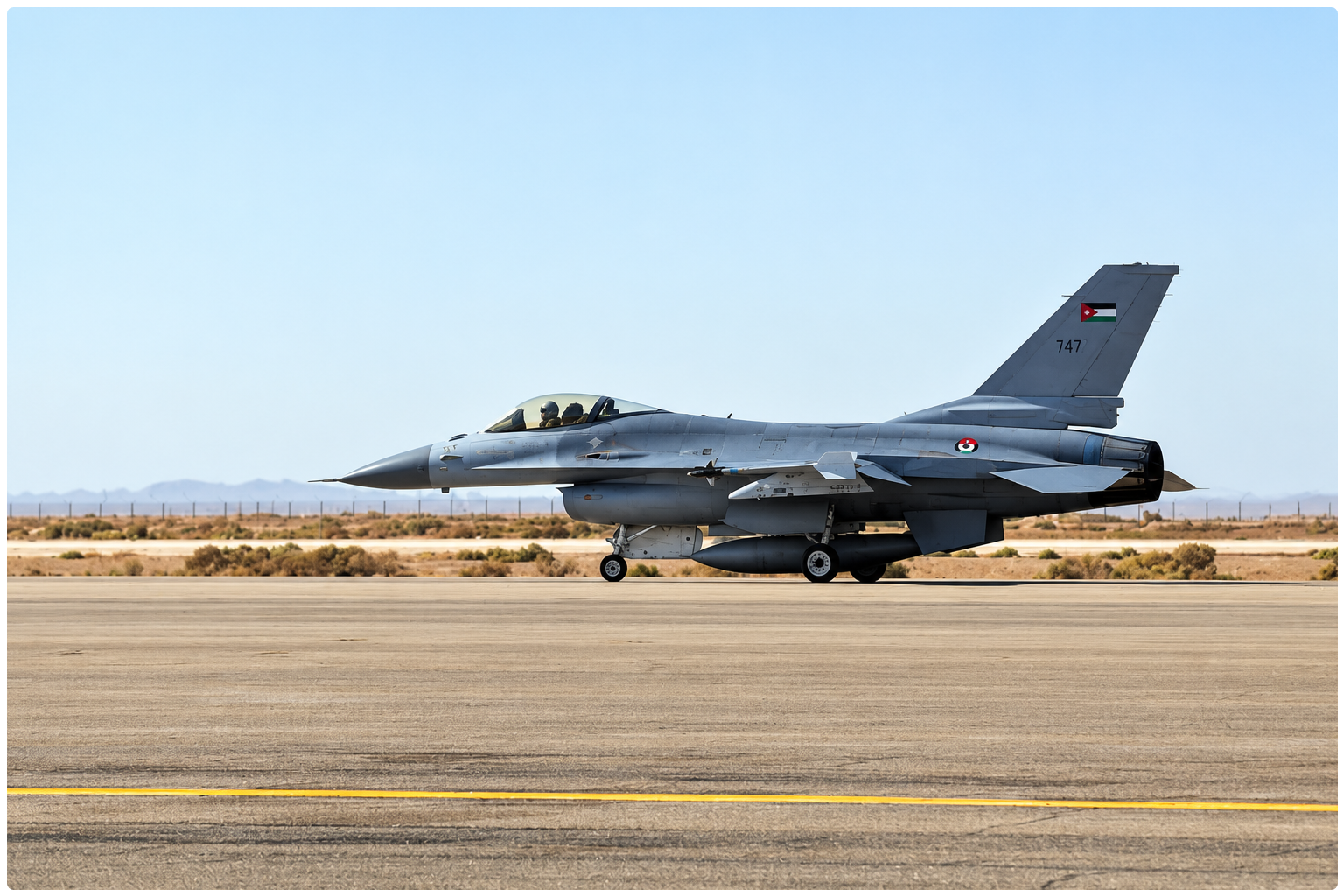
Iran obtained high-resolution satellite imagery of a US military base in Jordan from Chinese entities before launching a ballistic missile attack that killed three American soldiers in July, according to US officials familiar with the investigation.
The intelligence finding, first reported by The Wall Street Journal, concerns the July 17 attack on Muwaffaq Salti Air Base in northeastern Jordan. Iranian ballistic missiles struck an accommodation area where American personnel were sleeping, killing three US soldiers and wounding four others.
US officials now say Tehran had acquired high-resolution imagery of the base from Chinese entities both before and after the attack. Washington believes the imagery contributed to Iran's ability to identify targets and later assess the damage caused by its missiles.
The officials did not identify the Chinese entities involved and, importantly, did not accuse the Chinese government of directly participating in the attack. But they described the finding as the clearest evidence yet linking Chinese-supplied satellite imagery to an Iranian strike that killed American personnel.
The July 17 attack was not an isolated missile launch. Iran struck Muwaffaq Salti three separate times within 24 hours, targeting aircraft as well as other areas of the installation, according to US officials. Publicly available satellite imagery examined after the attack showed damage to more than 20 structures across three areas of the base.
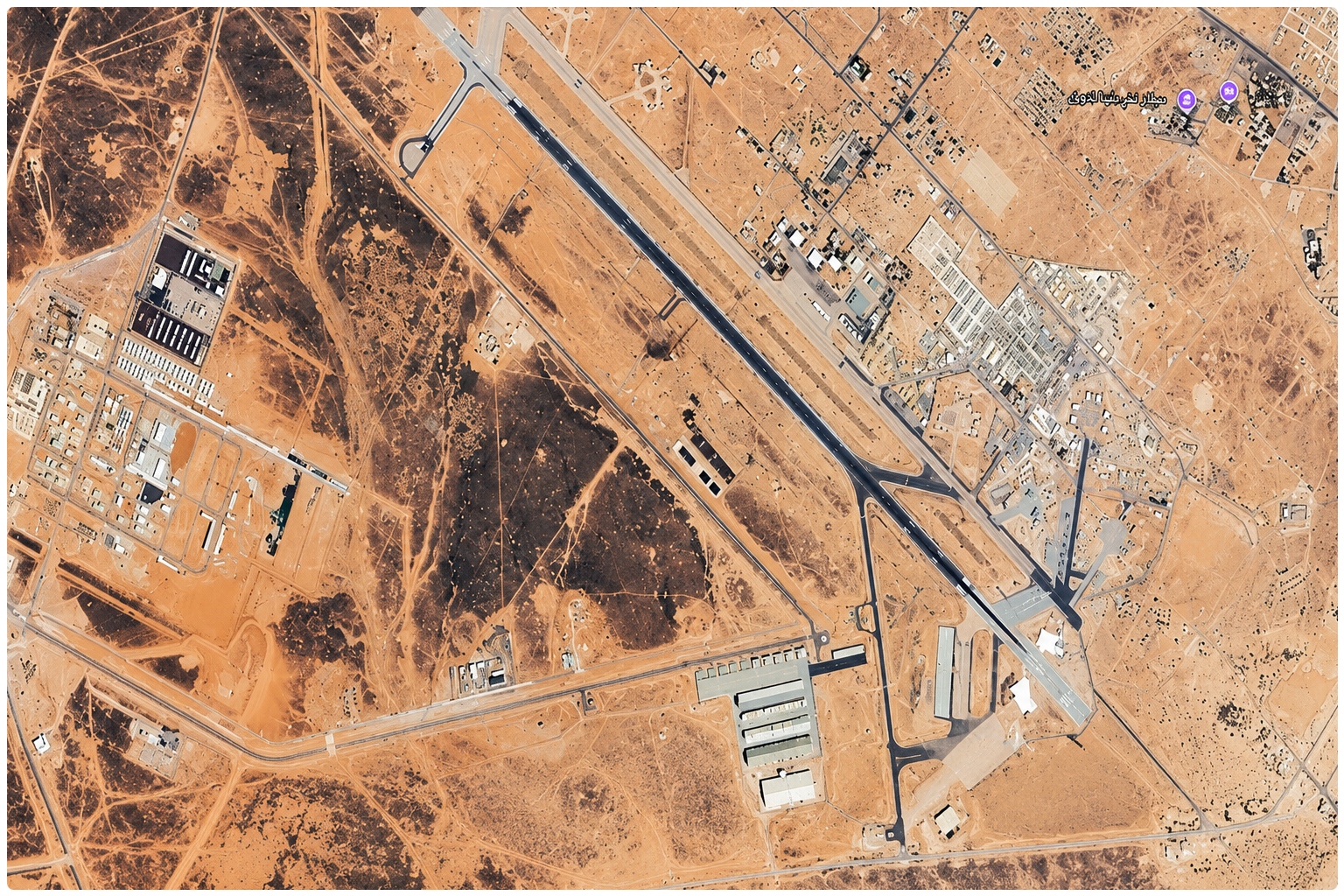
Within three days, Iran released its own high-resolution images showing damage at the facility.
The concern in Washington is straightforward. Commercial satellite imagery can reveal aircraft positions, air-defence systems, accommodation areas and changes in the layout of military bases. Fresh imagery can help planners select targets before an attack, while images collected afterwards can show which missiles hit successfully and where another strike might be needed.
There had already been warning signs. In February, Chinese commercial satellite company MizarVision publicly released imagery showing American deployments at bases across Jordan, Qatar and Saudi Arabia. Its images of Muwaffaq Salti reportedly showed F-35 stealth fighters and EA-18G Growler electronic-warfare aircraft on the ground.
The Trump administration had been raising the issue with Beijing for months before the deadly July attack. In May, Washington sanctioned Chinese companies it accused of providing satellite imagery that could help Iran target American and allied personnel. US officials subsequently confronted Chinese counterparts specifically about imagery connected to the July 17 strike, but Beijing demanded evidence and rejected Washington's allegations.
China's embassy in Washington has not addressed the specific allegation concerning Muwaffaq Salti. It said China's cooperation with Iran complies with international law and accused unnamed critics of exploiting the conflict to smear other countries.
The satellite issue also sits inside a much larger relationship between Tehran and Beijing. Reuters reported this week that Iran has used a complex oil-for-goods arrangement to acquire billions of dollars' worth of Chinese products despite sanctions, including communications equipment and, in at least one case, equipment connected to air-defence contracts. China remains Iran's most important economic partner and a crucial buyer of Iranian oil.
But the emerging battlefield question is different.
Iran has demonstrated increasingly accurate missile strikes against American military installations across the region. Analysts believe that improvement comes from a combination of better missiles, navigation systems, reconnaissance, intelligence gathering and more sophisticated attack planning. Chinese commercial satellite technology may now be part of that equation.
That makes the July 17 attack potentially important far beyond Jordan.