Thousands of women have joined the #IamJaneDoe campaign in support of the woman who has accused seven former or current Cornell University fraternity members of raping her in 2024.
The campaign spread across TikTok, Instagram and X after online commentator Michael Tracey appealed for information that could identify the anonymous plaintiff. He subsequently published what he believed was her name before deleting the post. The identity was not independently verified, and the woman continues to be identified in court documents as Jane Doe.
Women responded by posting photographs and videos declaring “I am Jane Doe”, effectively creating a digital shield around the accuser. Some participants have shared their own experiences of sexual violence, while others have argued that a complainant should decide whether and when to reveal her identity.
The campaign does not appear to have a central organisation or formal leader. It has developed organically as women began using the same hashtag to frustrate attempts to identify the plaintiff and to demonstrate solidarity with sexual-assault survivors.
Tracey has defended his actions as journalistic scrutiny protected by free-speech guarantees. He has argued that the credibility of an accuser who publicly names other people should be open to examination. After deleting the purported name, he asked followers not to harass the woman, her relatives or anyone connected to the case.
The accuser’s lawyer, Thomas Giuffra, has described the effort differently, saying his client has been placed under intense pressure and is struggling with the online attention. He said other women have also been wrongly identified as Jane Doe, spreading the consequences of the attempted exposure beyond the plaintiff herself.
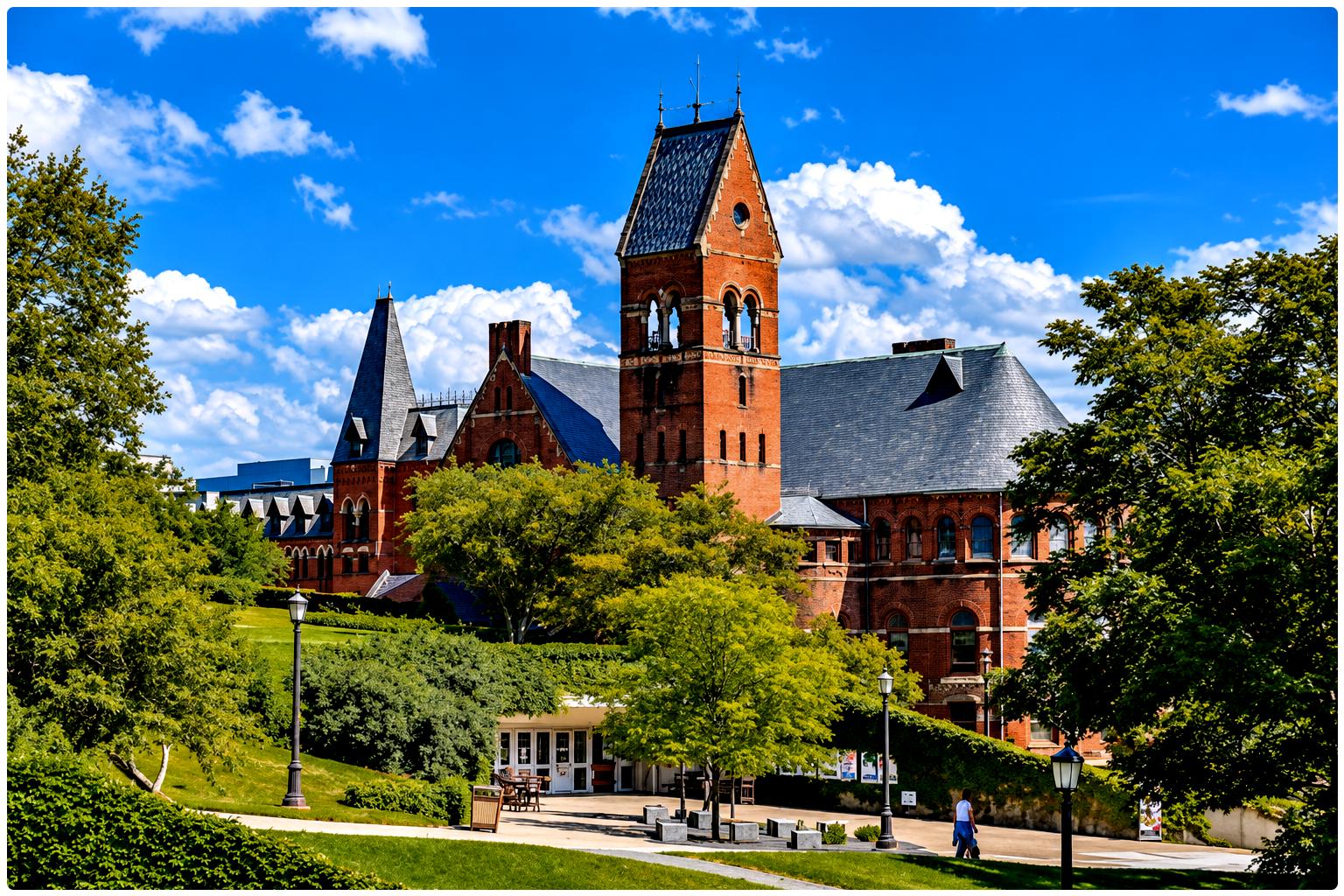
The dispute originates from the alleged sexual assault at Cornell University’s Chi Phi fraternity house in Ithaca, New York, on October 19, 2024. Jane Doe, who was 20 at the time, alleges in a civil lawsuit filed on September 16, 2026, that fraternity members supplied her with alcohol, marijuana and what she believes was ketamine before sexually assaulting her while she was incapacitated.
The lawsuit names seven fraternity members, Cornell University and several other organisations and businesses. It also alleges that messages were exchanged among some of the men during the incident. The allegations have not been proven in criminal or civil court.
The accused men have denied wrongdoing. Lawyers representing some of them have said the sexual activity was consensual, while another defence lawyer has said his client did not participate in an assault. Cornell has defended its response, saying it initiated its internal procedures after receiving the complaint.
Cornell’s disciplinary process reportedly resulted in serious sanctions, including suspensions and expulsions. The university also barred the Chi Phi chapter from operating on campus, while the national fraternity removed several members. Cornell has commissioned an external review of its handling of the matter following protests and demands for greater transparency.
The original criminal investigation ended without charges. Tompkins County District Attorney Matthew Van Houten said the accuser’s initial statement to campus police described the drug use and sexual activity as voluntary, conscious and consensual. Her lawyer disputes that interpretation and argues that evidence assembled during Cornell’s Title IX investigation supports her account that she did not consent.
The case was reopened after the civil lawsuit brought previously unavailable details into public view. New York Governor Kathy Hochul then removed the investigation from the local district attorney and appointed Attorney General Letitia James as special prosecutor.
Hochul said the accuser had been failed by Cornell University Police and local prosecutors, pointing to concerns that the original investigation was closed without interviewing the complainant further or questioning other potentially relevant witnesses. James’s office will now conduct an independent review and decide whether evidence should be presented to a grand jury.
The controversy has also renewed scrutiny of New York’s sexual-offence laws. State officials have been seeking to address a legal gap involving people who become incapacitated after voluntarily consuming alcohol or drugs. Existing law more clearly covers cases involving force or substances administered without the person’s knowledge, creating difficulties in some prosecutions involving voluntary intoxication.
The wider campus figures have intensified the debate. In Cornell’s 2025 sexual-assault survey, 35% of undergraduate women who responded said they had experienced non-consensual sexual contact during their time at the university, compared with 23% in 2023. Cornell cautioned that the survey’s 15% response rate was substantially lower than in earlier years and that the results should therefore be interpreted carefully.
The #IamJaneDoe campaign cannot determine whether a crime occurred, and the accused retain the presumption of innocence. Its immediate purpose is narrower: defending the plaintiff’s ability to use the anonymity permitted in sexual-assault litigation while investigators and the courts examine the competing accounts.
The criminal review and civil lawsuit will now proceed separately. The attorney general may seek additional interviews, examine Cornell’s records and communications, and decide whether the available evidence meets the standard required for criminal charges. Until then, the campaign has transformed an attempt to identify one woman into a much broader argument about privacy, survivor protection and fairness in the handling of sexual-assault allegations.