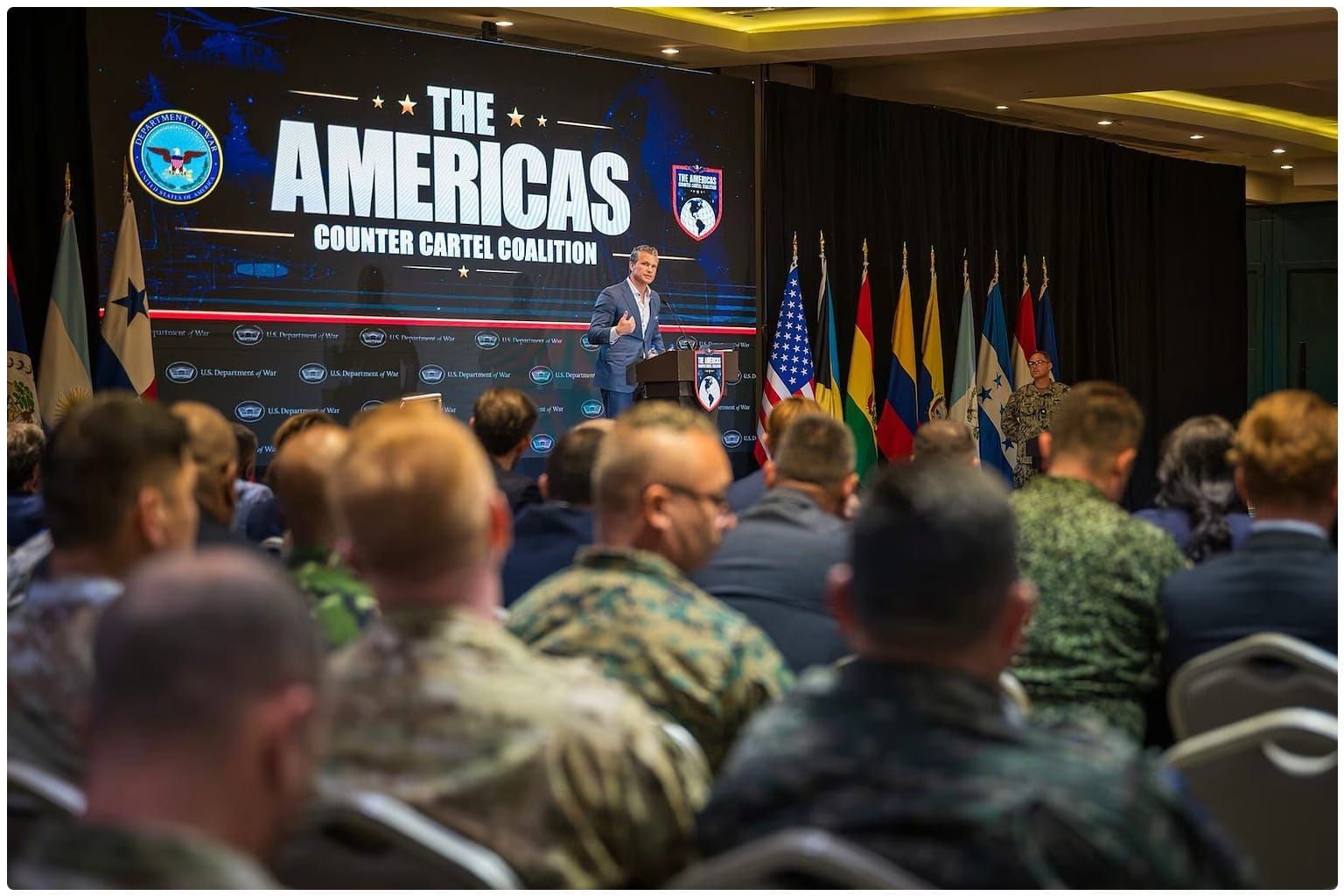
The US military has taken a new step in planning for possible action against Cuba, even as Washington insists it would rather negotiate. An internal Army message shows that the US Army Reserve is examining whether it can provide Southern Command with police forces, medical personnel and other support units within the next four months. The message does not mention Cuba, but multiple US officials, speaking anonymously, said the request is part of continued military planning aimed at the island.
The document asks subordinate commands to report on the availability of six types of formations. It says the units could possibly be needed in 90 to 120 days and set a September 25 deadline for feedback. The list reads like the support structure for a sustained operation rather than a single strike. It includes a combat sustainment support battalion that handles transport, maintenance, fuel and supply, an engineer battalion, and an expeditionary sustainment command to oversee logistics across a theatre of operations. It also calls for a medical brigade, a forward surgical team for emergency trauma care, and a military police brigade, which typically oversees security and detention missions.
CBS: The Army is requesting military planning aimed for Cuba. Is the US preparing for military action?
— Laura Loomer 🇺🇸 (@ELauraLoomer) September 25, 2026
STATE DEPT SPOX TOMMY PIGOTT: We're always going to guided by the national interest of the US. The president has a wide array of options
(Not a no!) pic.twitter.com/6XisMQzCrj
Officials stress that this is planning, not a decision. There is no sign in the document that any unit has received deployment orders. Southern Command declined to discuss deployment timelines, citing operational security, but said it continuously works with the rest of the military to assess possible requirements across its region.
This is part of a pattern of preparation stretching back months. Earlier this year, US forces reconnoitred the seafloor and sea approaches around Cuba, and air units were put on heightened readiness to pre-stage personnel, though those plans were not carried out. By July, planners had examined options including an Army-led air assault by thousands of soldiers from the 101st Airborne Division. Yet the US intelligence community's own 2026 threat assessment largely describes Cuba as an enabling environment for bigger rivals such as Russia, China and Iran, rather than an independent strategic threat.
The military planning runs alongside an economic squeeze. The United States began blocking oil tankers bound for Cuba in February 2026, deepening a fuel and power crisis on the island. Ahead of this week's UN General Assembly, Washington also sanctioned Cuban entities and officials, including military enterprises tied to the nickel industry. At the UN, Trump said he wanted "fundamental change" on the island and predicted its communist government would fall, prompting the Cuban delegation to walk out.
Secretary of State Marco Rubio, who is steering Cuba policy, has kept both tracks open. He has not ruled out force but says Washington prefers a negotiated, political solution. He has signalled openness to working with regime figures who accept a genuine transition, while warning that decades of mismanagement cannot be reversed in six months.
Havana has dismissed the threat as unjustifiable but is not treating it lightly. On the sidelines of the UN General Assembly, Foreign Minister Bruno Rodríguez said he did not expect a Maduro-style seizure of a sitting president, but that Cuba takes the threats "very seriously" and has boosted its defensive capacity. He confirmed there had been some rounds of talks with Washington and said Cuba was willing to continue them, blaming the lack of progress on US inflexibility.
The 90-to-120-day window now gives observers a rough clock to watch. Whether it ends in troops, a deal, or neither may depend on whether pressure produces the political change Washington says it wants.