The maritime crisis in the Gulf is increasingly being treated as an oil story, but the disruption spreading through the region is now affecting far more than crude tankers.
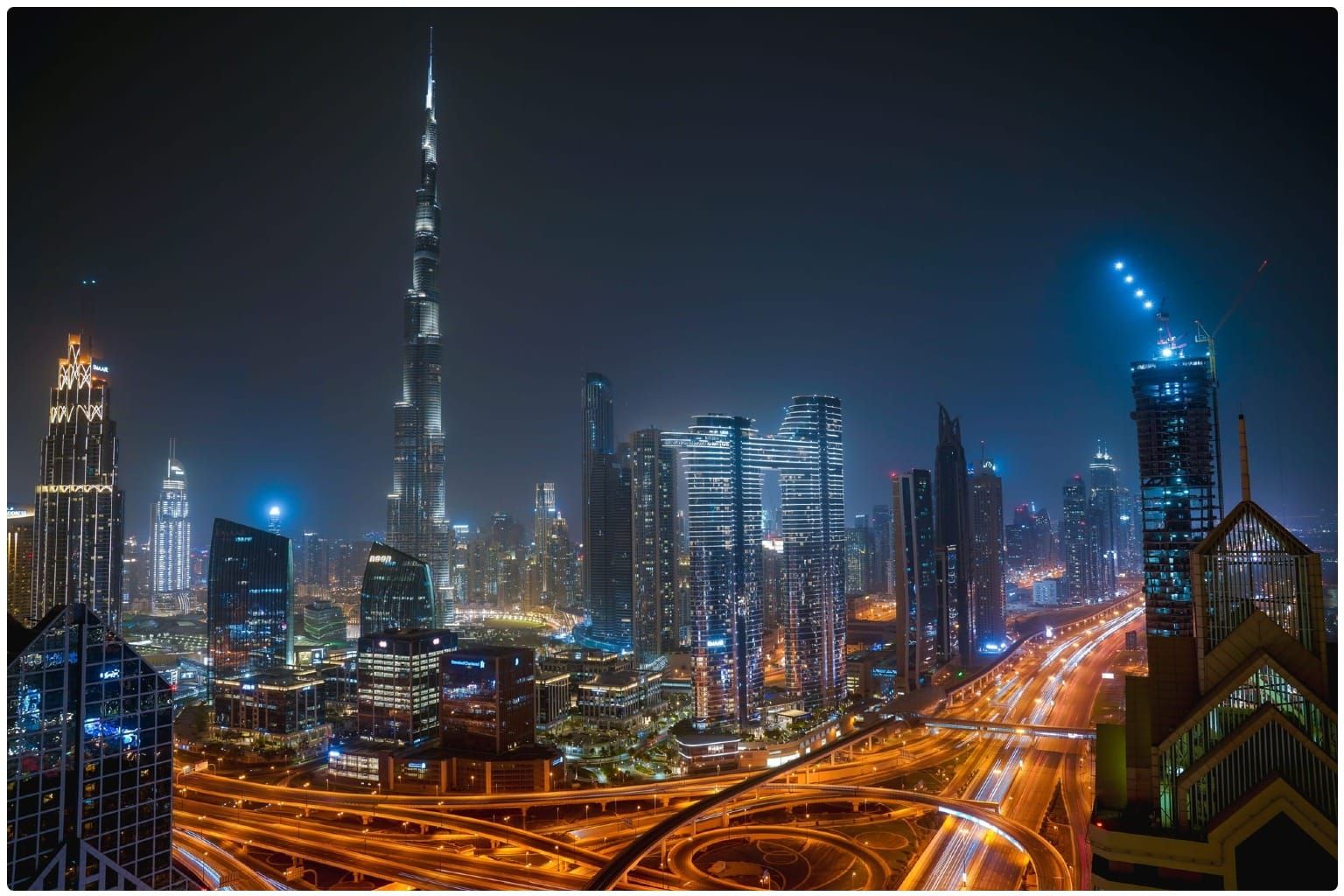
Container shipping through the Strait of Hormuz has fallen by about 94% since the US-Israel war with Iran began in February, according to shipping data cited by the Financial Times. Only 11 scheduled container services are now operating through the strait, compared with 99 before the conflict. Ports including Dubai’s Jebel Ali, one of the world’s largest container hubs have seen activity fall sharply as carriers avoid the route or shift cargo to ports outside the Gulf.
The collapse is happening across multiple types of commercial shipping. Before the war, Hormuz handled around 125 large commercial vessels a day, including oil tankers, LNG carriers, dry-bulk vessels and container ships. By September, daily transits had repeatedly fallen into single digits. Just four commodity vessels crossed on September 17, while only three were recorded the day before.
The ships still attempting the journey show how broad the impact has become. Recent crossings have included vessels carrying fertiliser, steel, grain and other dry-bulk cargoes alongside petroleum products. One Panamax ship leaving the strait this month was carrying fertiliser, while vessels entering included cargoes of steel and grain.
The region exports fertilisers, petrochemicals, aluminium and industrial materials while importing large volumes of food, manufactured goods, machinery and consumer products. It is reported that exports of commodities including limestone, sulphur and corn have fallen sharply, while businesses inside the Gulf are facing longer delivery times and rising freight costs.
Shipping companies are increasingly moving cargo overland or redirecting it through ports outside Hormuz, including Fujairah in the United Arab Emirates and facilities in Oman. But those alternatives have limited capacity and add time and cost. Gulf states are investing in new ports, pipelines and land corridors, yet many of those projects will take years to provide meaningful alternatives.
The problem is becoming more complicated at the opposite end of the Arabian Peninsula. Houthi territorial gains along Yemen’s Red Sea coast have placed Bab el-Mandeb, the route connecting the Indian Ocean to the Red Sea and Suez Canal under growing pressure. Italy has already called for a stronger naval presence to protect merchant shipping in the Red Sea.
For global trade, that creates an uncomfortable scenario. Hormuz controls access to the Persian Gulf, while Bab el-Mandeb controls access to the Red Sea. Disruption at either chokepoint forces shipping companies to rethink routes; instability around both at the same time significantly reduces the region’s room for manoeuvre.
Oil remains the most immediate concern because Hormuz normally carries roughly a fifth of global crude and LNG supplies. But the wider commercial damage is now becoming harder to ignore.
When container services disappear, grain shipments slow and industrial cargoes become more expensive to move, the effects eventually reach manufacturers, supermarkets and consumers thousands of kilometres away.
The Gulf shipping crisis is therefore no longer simply about how much a barrel of oil costs. It is increasingly about whether the wider trading system that moves goods between Asia, the Middle East and Europe can continue operating normally at all.