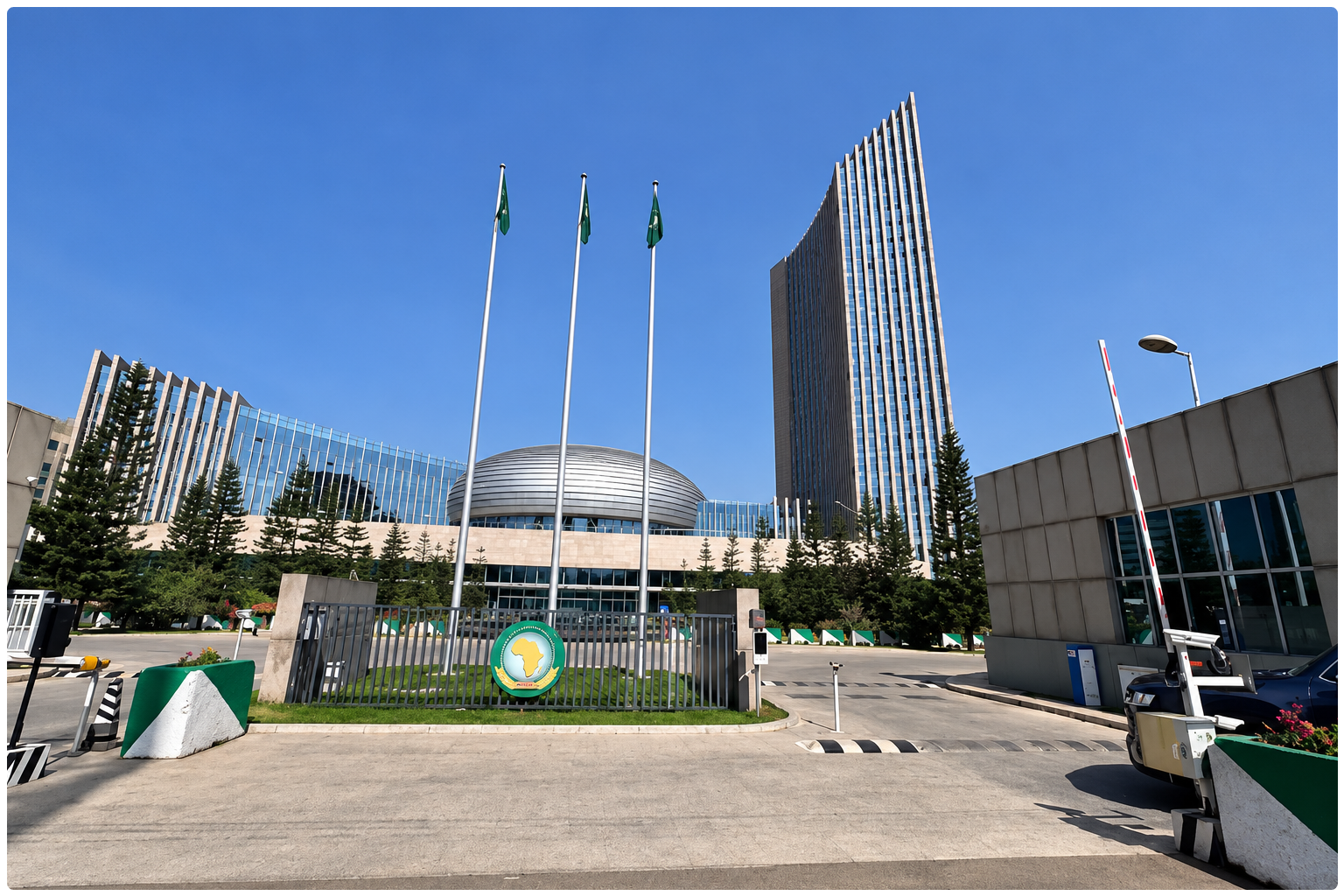
Africa has launched its first continent-wide credit-rating agency, creating an African-led institution that will assess governments and businesses whose access to capital has long depended heavily on ratings produced outside the continent.
The Africa Credit Rating Agency, known as AfCRA, was officially launched in Port Louis, Mauritius, on October 7. Its headquarters will remain in the island nation, with regional subsidiaries planned across Africa.
The agency will rate sovereign governments, subnational authorities, financial institutions and private companies. Its assessments are expected to place greater emphasis on African data, domestic economic structures and local conditions that its architects believe are not always adequately captured by existing rating models.
Credit ratings carry enormous consequences. Investors use them to judge whether a government or company is likely to repay its debt. A lower rating generally means a borrower must offer higher interest rates, increasing the cost of raising money for roads, hospitals, electricity networks and other public investments.
Africa’s annual external debt-service bill rose from $61 billion in 2010 to $163 billion in 2024. In several countries, interest payments now consume more public money than health or education.
The problem has grown more severe as borrowing costs rise across international bond markets. Higher yields in the United States and other developed economies can draw capital away from emerging markets, forcing African governments to pay an additional premium to attract investors.
African leaders have repeatedly argued that existing assessments sometimes exaggerate the continent’s risks, react too quickly during conflicts or economic shocks, and fail to recognise assets such as natural resources, informal economic activity and the support offered by regional institutions.
A United Nations Development Programme study estimated that subjectivities in credit assessments have cost African countries approximately $75 billion through excessive interest charges and lost lending opportunities.
The established international agencies dispute allegations of regional bias and maintain that they apply globally consistent criteria. Independent research has also not produced universal agreement that African borrowers are systematically underrated.
AfCRA will consequently have to demonstrate that its assessments are more accurate without appearing politically designed to produce favourable ratings.
Although the agency carries an African Union mandate, it has been structured as a private-sector-driven, self-funded institution. African governments will not be permitted to own shares. That separation is intended to protect its independence and reassure investors that governments cannot influence the ratings they receive.
The project began taking shape after African Union leaders endorsed the proposal in 2018. Finance and economic-planning ministers backed it again in 2023, while the African Peer Review Mechanism subsequently developed its governance structure and methodology.
AfCRA will not replace existing agencies. Its ratings will instead offer investors another assessment that can be compared with those already available.
Coverage may prove as important as competition. Only 32 of the African Union’s 55 member states currently have ratings from the three largest international agencies. The remaining 23 have limited visibility in international debt markets, making it harder for governments and businesses to attract institutional capital.
The African Union says AfCRA will help close those information gaps while supporting deeper domestic capital markets. The agency may also focus more closely on local-currency debt, which forms a growing part of government and corporate borrowing but frequently receives less international attention.
Its success, however, will not be determined by the launch ceremony. Investors will examine the transparency of its methodology, the quality of its analysts and whether it is prepared to downgrade borrowers when the evidence demands it.
AfCRA has given Africa an institution capable of presenting its own assessment of credit risk. It must now prove that an African perspective can also become a globally trusted one.