A proposed global agreement on environmental crime is moving towards formal discussion at the United Nations, but Amazonian leaders fear the rules could be designed without the people confronting those crimes most directly.
Indigenous representatives from Brazil, Colombia, Ecuador and Peru are in Vienna for the 13th Conference of the Parties to the United Nations Convention against Transnational Organized Crime, held from October 19 to 23. Governments are expected to consider opening negotiations on a fourth protocol to the convention, extending its legal architecture to offences including illegal mining, logging and wildlife trafficking.
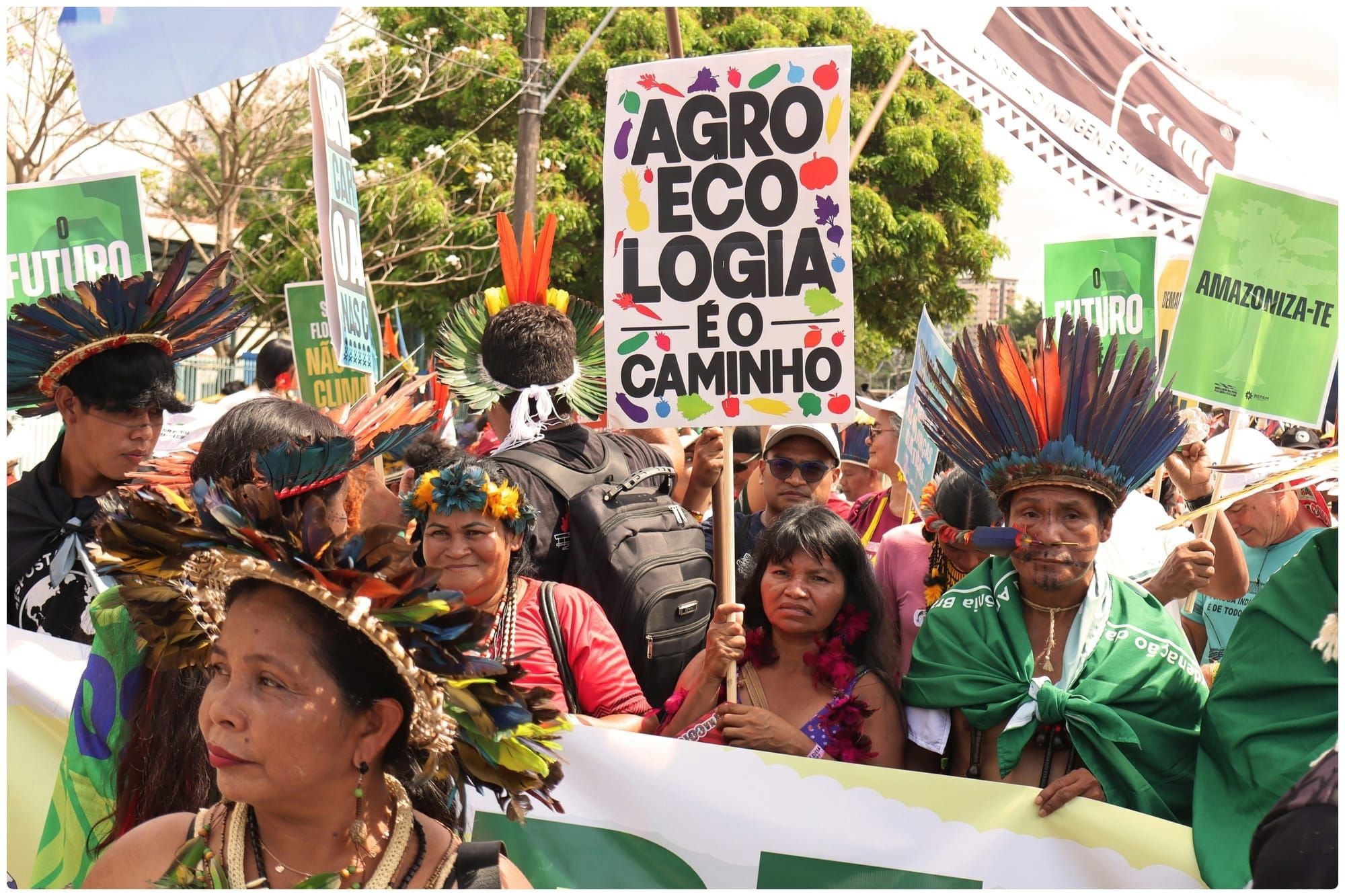
The delegation is not seeking recognition in ceremonial terms. Its members want Indigenous peoples involved in drafting the protocol, community protection systems recognised within national and cross-border security strategies, and free, prior and informed consent applied when states plan operations affecting Indigenous territories.
Those demands are being advanced by Patricia Gualinga of Ecuador, a member of the UN Permanent Forum on Indigenous Issues; Galois Flores, vice-president of Peru’s Autonomous Territorial Government of the Wampis Nation; Brazilian Indigenous leader Francisco Da Silva Piyako; and Ingry Mojinajisoy of Colombia’s Inga people. Their intervention in Vienna is intended to influence the process before governments determine its scope.
The question before Vienna is partly legal. The existing UN convention gives states a framework for tackling organised criminal groups through extradition, mutual legal assistance, financial investigations and cooperation between law-enforcement agencies. Its three supplementary protocols address human trafficking, migrant smuggling and illicit firearms, but none is dedicated to crimes affecting the environment.
The gap has become increasingly difficult to ignore in the Amazon, where illegal economies overlap. Gold mining, timber extraction, wildlife trafficking and drug production may use the same river corridors, airstrips, laundering channels and corrupt intermediaries. Amazon Underworld’s latest mapping identified criminal networks or armed groups in 768 of 1,310 municipalities examined across six Amazonian countries, equivalent to 59%.
Yet the leaders’ intervention also challenges the assumption that a stronger legal instrument automatically produces better protection. Military operations can destroy mining equipment or temporarily displace armed groups without reaching the financiers, gold traders and businesses that convert illegally extracted resources into apparently legitimate commodities. Once security forces withdraw, communities may face returning criminal groups, retaliation and further pressure on local governance.
The delegation has therefore called for investigations that follow money and supply chains, stronger protection for environmental defenders, secure Indigenous land rights and formal support for territorial guards. The Wampis have organised community patrols against illegal mining, while Indigenous communities around the Brazil-Peru border have developed cross-border cooperation against drug trafficking.
The ecological consequences accumulate alongside the violence. Mercury from gold extraction enters rivers and food systems, logging roads open previously inaccessible forest, and criminal control weakens the institutions that regulate hunting, fishing and land use. These pressures also reach habitats whose biological richness remains incompletely documented, such as the Andes-Amazon landscape where scientists recently identified a distinct wild cat species already facing mining and forest loss.
A UN working group examining the legal gaps has raised environmental restoration, confiscated criminal proceeds and protection for Indigenous peoples, defenders and those reporting offences. COP13 will determine whether negotiations begin, not settle their final content.
For the Amazonian delegation, participation cannot be postponed until the framework is largely settled. Once governments establish the scope, enforcement model and negotiating priorities, Indigenous consultation risks becoming corrective rather than formative. Their purpose in Vienna is to enter the process before its most consequential assumptions harden into law.