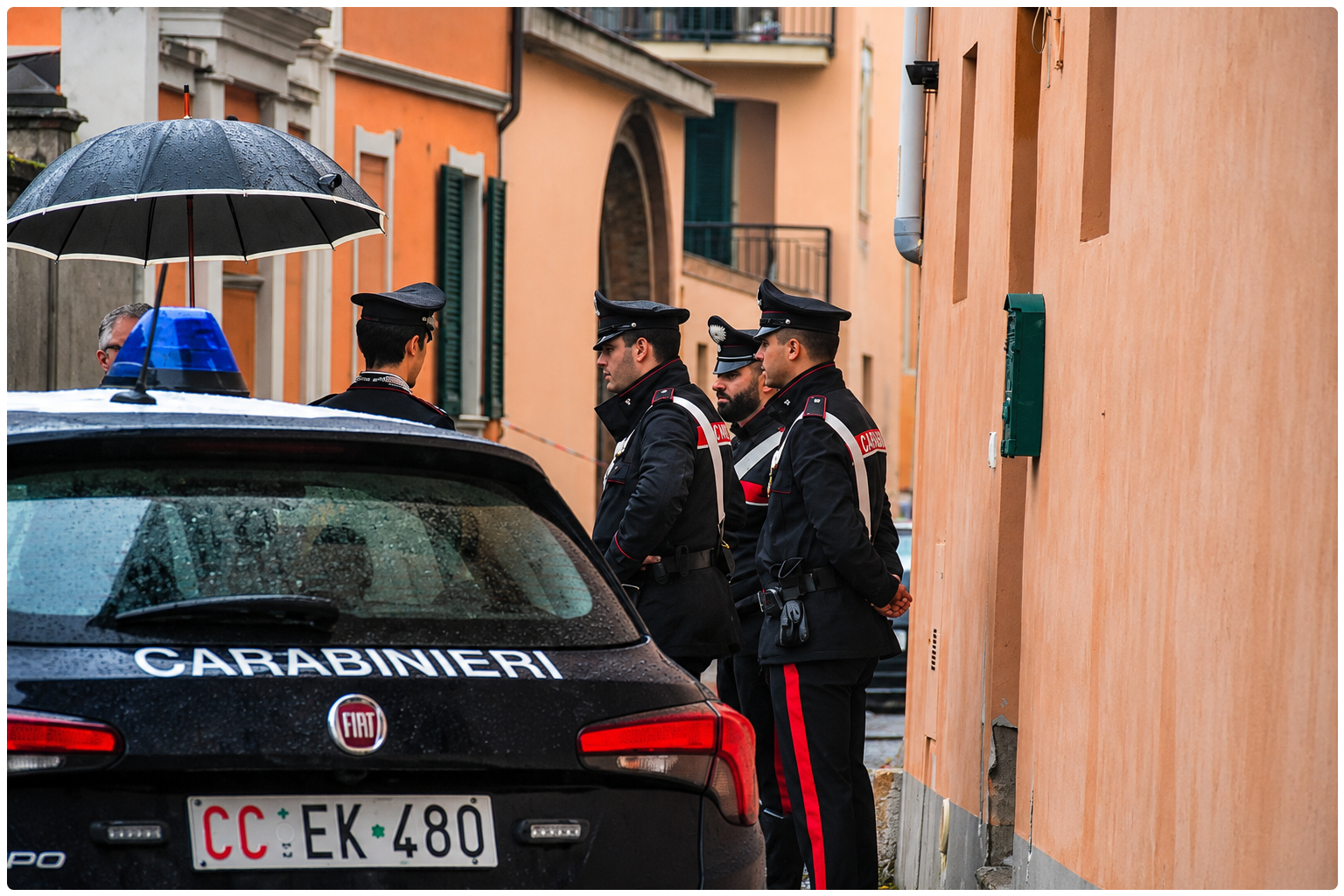
Thousands of students across Italy were forced to leave their classrooms on Wednesday, November 11, after threatening emails alleging explosives had been planted inside school buildings prompted evacuations and widespread security checks. Approximately 6,300 schools received the messages, although authorities found no evidence of a credible threat.
The alerts reached schools in Rome, Milan, Naples, Bologna, Turin and several smaller towns. At least 300 schools were initially reported evacuated, with police officers and bomb-disposal teams deployed to inspect buildings. Some institutions continued lessons following police assessments, while others sent students home as a precaution.
🇮🇹 Italy THREE HUNDRED SCHOOLS. BOMB ALERTS. Hoax emails empty classrooms across the country. Students and parents pack the gates in Milan as police check the buildings. Who is flooding Europe’s schools with fear? https://t.co/UMTNbPAQZT
— Silent Politics◾️ (@silentpolitics1) November 11, 2026
The anonymous message claimed that remotely detonated explosives had been concealed inside school premises and included a separate threat against Prime Minister Giorgia Meloni. It was signed by someone identifying himself as Mikhail Andropov, a name previously associated with threatening emails sent to European broadcasters.
Italian Education Minister Giuseppe Valditara questioned the credibility of the threats, pointing to the extraordinary scale of their distribution. Meloni confirmed that preliminary security checks had revealed no concrete danger and convened senior ministers, intelligence officials and security authorities to review the situation.
In Veneto, the threats triggered widespread evacuations and a major emergency response. According to an official statement from the City of Venice, 34 of the 36 metropolitan secondary schools received threatening messages, with approximately 35,000 students, teachers and staff evacuated across the affected metropolitan and municipal schools.
The disruption extended beyond Italy, with schools elsewhere in Europe receiving similar threatening communications.
In Northern Ireland, more than 300 schools reported receiving suspicious emails. The Police Service of Northern Ireland classified the messages as a hoax after preliminary investigations found nothing suspicious. Officers said enquiries into their origin remained ongoing.
Scotland experienced similar disruption. According to an official statement from Highland Council, 196 schools in the region received threatening emails, prompting precautionary evacuations at many institutions. Police Scotland subsequently determined that the messages did not represent a credible threat, allowing some schools to reopen.
The incident follows a series of bomb scares involving European airlines and broadcasters earlier in November. However, investigators have not established whether those incidents and Wednesday's school threats originated from the same individuals or network.
Italian investigators are examining the technical origins of the emails and whether their widespread distribution was deliberately coordinated to disrupt public services. No evidence has publicly established responsibility by a foreign government or terrorist organisation.
Schools were expected to reopen normally on Thursday, November 12, while investigations continued into the identity and motives of those behind the threats.