Europe may be approaching a dangerous new phase of the war in Ukraine. French President Emmanuel Macron has warned that Russia is showing "several signs" of preparing a new wave of military mobilisation, and that the scenario most often discussed involves around 300,000 men. His remarks, made in a televised interview on September 24, are among the starkest signals yet that the conflict could be heading for a major escalation rather than a resolution.
Macron said several reports had been shared by European and American intelligence services and by Ukraine. He called the 300,000 figure plausible and said there were several signs of preparations underway. He added that the move had been expected to follow Russia's elections, which have now taken place. The biggest uncertainty, he suggested, is whether a mobilisation would be publicly announced or carried out without any declaration, meaning the world might not know it had begun.
Macron: European and American intelligence services have shared information with us and with our Ukrainian friends.
— Tymofiy Mylovanov (@Mylovanov) September 25, 2026
Some speak of 300,000 additional men. Russia waited for its elections, they are over, and it is clear Russia will mobilise. 1/ pic.twitter.com/m9de3Dlx5t
The stated objective is clear. Macron said the message coming from Moscow was a readiness to make even greater sacrifices to secure the entire Donbas. By his assessment, taking the whole of the Donetsk region could require another 18 months to two years of fighting. That suggests a war stretching well into 2028.
The Kremlin has firmly denied the reports. Spokesman Dmitry Peskov said last week that there were no plans to mobilise 300,000 people by the end of 2026. Earlier reports, citing a European security official, had pointed to such a call-up. Vladimir Putin also rejected claims of a new mobilisation wave in early September.
In early September, Ukrainian President Volodymyr Zelenskyy said around 300,000 more people could be recruited into the military. Some Ukrainian officials have put the possible figure as high as 600,000. Since 2022, Russia's forces have mainly been replenished through contracts that offer financial payments. A formal mobilisation would signal a shift to a much larger scale of manpower.
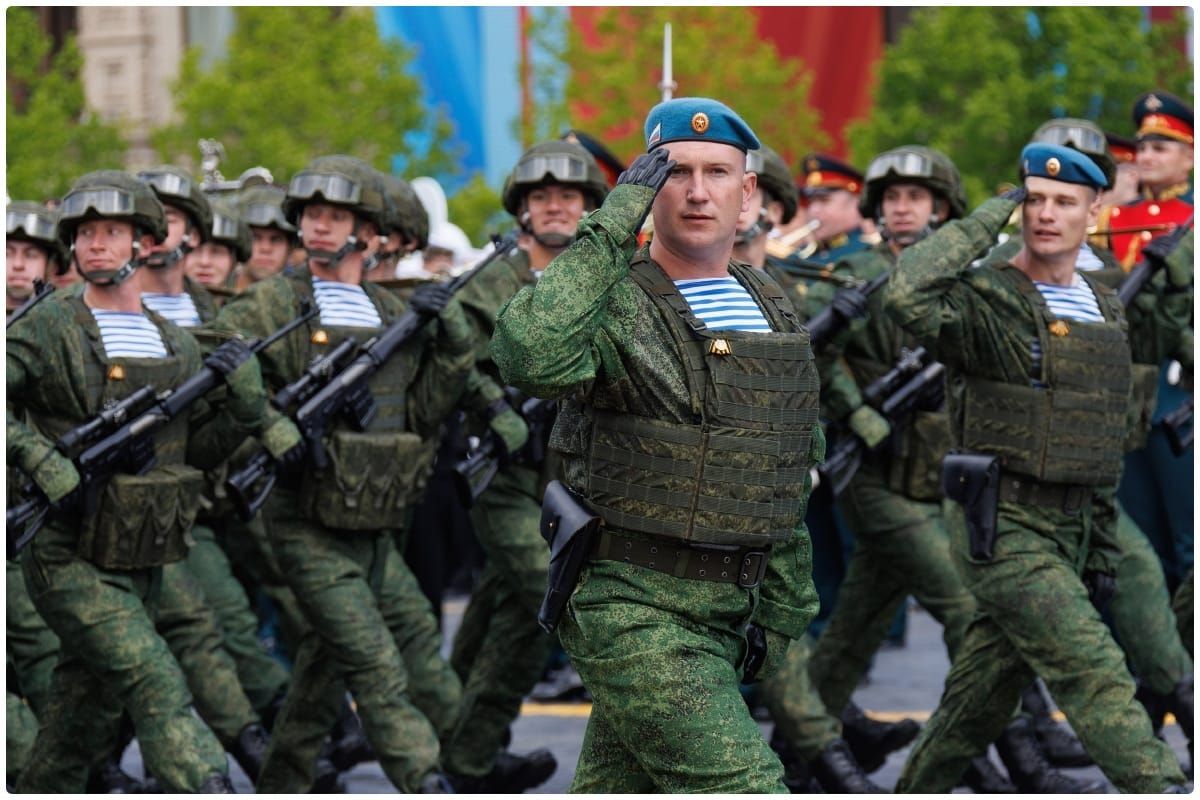
History shows what that shift can look like. Russia's partial mobilisation in September 2022 officially involved about 300,000 reservists and changed the course of the war. A new call-up of similar or greater size would mean a larger force on the front line, more intense fighting and a higher toll on all sides.
The alarm is not limited to Ukraine. Macron said threats to Europe are rising and warned that France could face an explosive-drone attack like the one on Leipzig Airport in early August. He did, however, deny reports that the CIA had sent a formal warning to European governments.
Mounting concern elsewhere on the continent adds to the sense of urgency. Poland has warned that something big may be coming as winter approaches. Denmark's intelligence services have warned of the risk of an attack within months, and jets have been scrambled over Finland. Taken together, these signals point to a continent bracing for escalation.
Whether a mobilisation comes loudly, quietly or not at all, Macron's warning has shifted the conversation in European capitals. The question is no longer only how the war ends, but how much bigger it could get before it does.