Denmark’s domestic intelligence service has accused Russia of carrying out sabotage operations against Danish defence companies supplying Ukraine, marking a significant escalation from surveillance and planning to physical disruption.
The Danish Security and Intelligence Service, known as PET, said Russian operations were increasingly targeting companies whose production could directly affect the Ukrainian battlefield.
Josefine Christensen, a senior PET analyst, said Danish authorities had observed extensive Russian planning during the spring but relatively little action. That pattern changed during the early summer, when intelligence officers began detecting a larger number of operations being carried out.
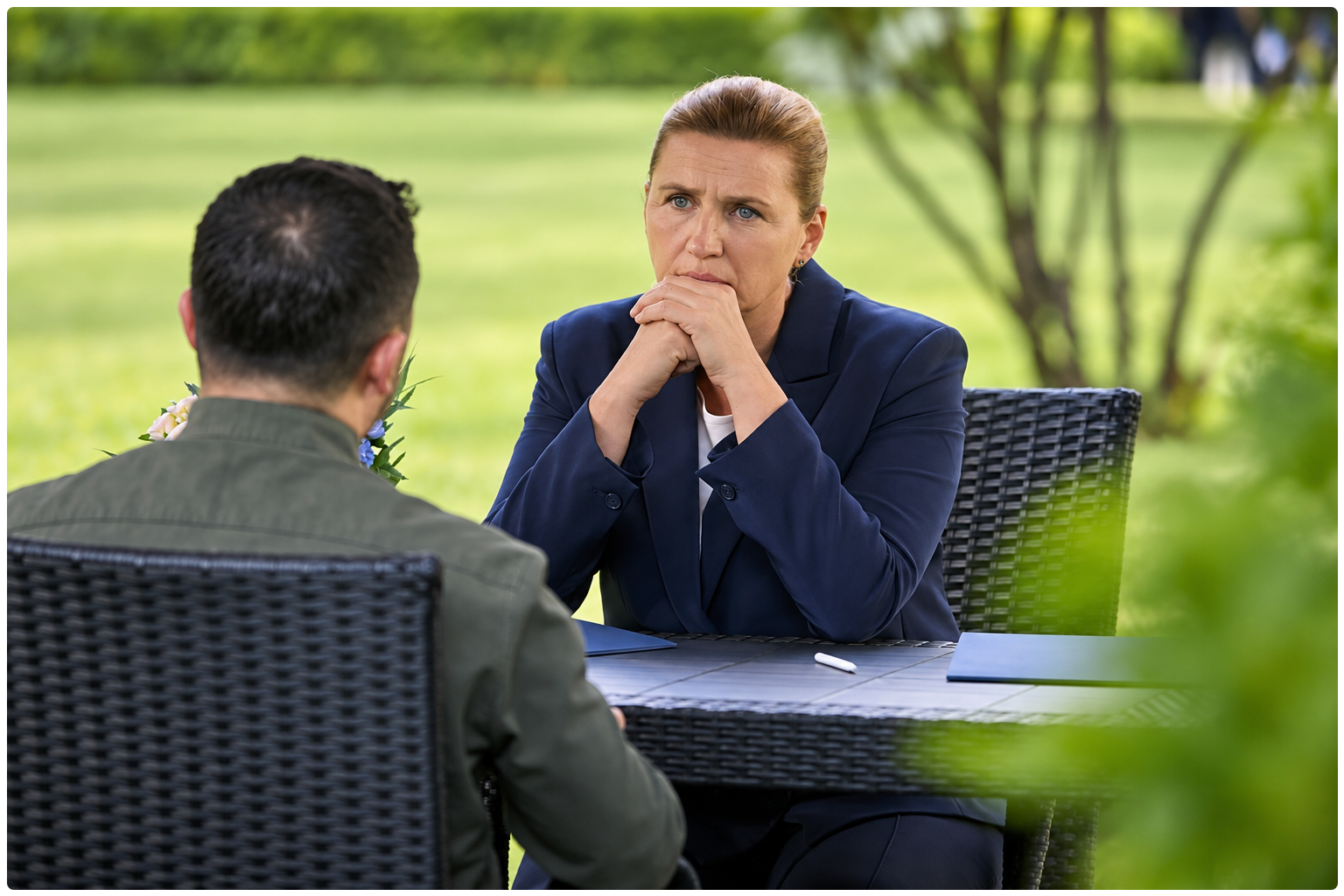
Danish PM Mette Frederiksen on Russia: I think the Russians will increase the hybrid attacks with the goal of getting us Europeans to turn on Ukraine. They will claim that the Ukrainians are corrupt, and that we should therefore drop our support. They will say that you as a citizen cannot trust the Danish authorities and the government. They will claim that it is us who are causing the conflict, when we strengthen our own defence, and when we establish Ukrainian arms production in Denmark. None of these claims are true. If we stop supporting Ukraine, then it is the first domino that falls, and then we ourselves have paved the way for Russia to move on to the next European country. If we make it easier for them to wage war in Ukraine, then we make it easier for them to wage war elsewhere.
— Tabz (@TabzLIVE) October 6, 2026
According to PET, Moscow concluded that broader attempts to create disruption across Europe had failed to deter NATO countries from supplying weapons to Ukraine. Russian intelligence services have consequently begun concentrating on arms production, military logistics and companies connected to the delivery of equipment to Ukrainian forces.
Denmark has not publicly identified the companies attacked or provided details about individual incidents. That prevents independent examination of the specific evidence behind each attribution, but PET says the assessment is based on intelligence rather than a general warning about possible future activity.
The agency had already raised Denmark’s physical-sabotage threat level and warned in September that Russian services were actively preparing operations against the country’s defence industry. Its latest statement indicates that some of those plans have now moved into execution.
PET says Russia frequently recruits people with no formal intelligence training through Telegram, gaming sites and other social-media platforms. Potential recruits may initially be offered money to photograph factories, warehouses, vehicles or access routes.
The assignments can then become more serious. A person recruited for basic surveillance may later be asked to damage property, start a fire or carry material used in an attack.
Danish intelligence believes this system allows Russian handlers to distance themselves from an operation while treating local recruits as replaceable. Some alleged proxies have included homeless people, individuals with drug dependencies and others searching online for quick money.
The use of loosely connected intermediaries also makes attribution more difficult. An arson attack or damaged production line may initially appear to be ordinary criminal activity even when the person responsible received instructions from a foreign intelligence officer.
Russia has rejected Denmark’s allegations as unfounded. Moscow has repeatedly denied directing sabotage, cyberattacks or other hybrid operations inside European countries and argues that such accusations are being used to portray Russia as an imminent threat to NATO.
The Danish accusation comes days after Germany blamed Russia for an explosives-laden drone plot at Leipzig/Halle Airport. The drone was found near a Ukrainian cargo aircraft before it could detonate.
European governments have also investigated suspicious fires, damaged railway infrastructure, cyberattacks and explosions at weapons facilities. A second explosion recently struck a Bulgarian arms-storage site, although investigators have not attributed that particular incident to Russia.
The latest Danish assessment carries additional weight because Moscow has publicly warned that European weapons factories supplying Ukraine could become military targets. Russia has not announced conventional strikes against facilities inside NATO territory, but the statement reinforced concern that arms manufacturers are increasingly viewed as part of the battlefield.
Denmark has provided Ukraine with billions of euros in military assistance, including artillery, ammunition, air-defence equipment and training. Danish companies also participate in European efforts to increase weapons production after years of depleted inventories.
The country’s foreign-intelligence service recently warned that Russia was likely to intensify hybrid attacks against NATO and the wider West. It assessed the risk of a limited Russian military action against a NATO country as low but increasing.
Sabotage allows Moscow to apply pressure without openly attacking Denmark. It can slow production, frighten employees and increase the cost of protecting factories while remaining below the threshold of conventional war.
Denmark’s accusation therefore signals that the confrontation surrounding Ukraine is no longer confined to the battlefield. The companies manufacturing weapons for Kyiv are becoming part of a quieter conflict now being fought inside Europe itself.