Two commercial ships have been struck by drones in Bulgaria’s exclusive economic zone in the Black Sea, sinking one vessel and triggering a large-scale rescue operation and an emergency meeting of the country’s political and security leadership.
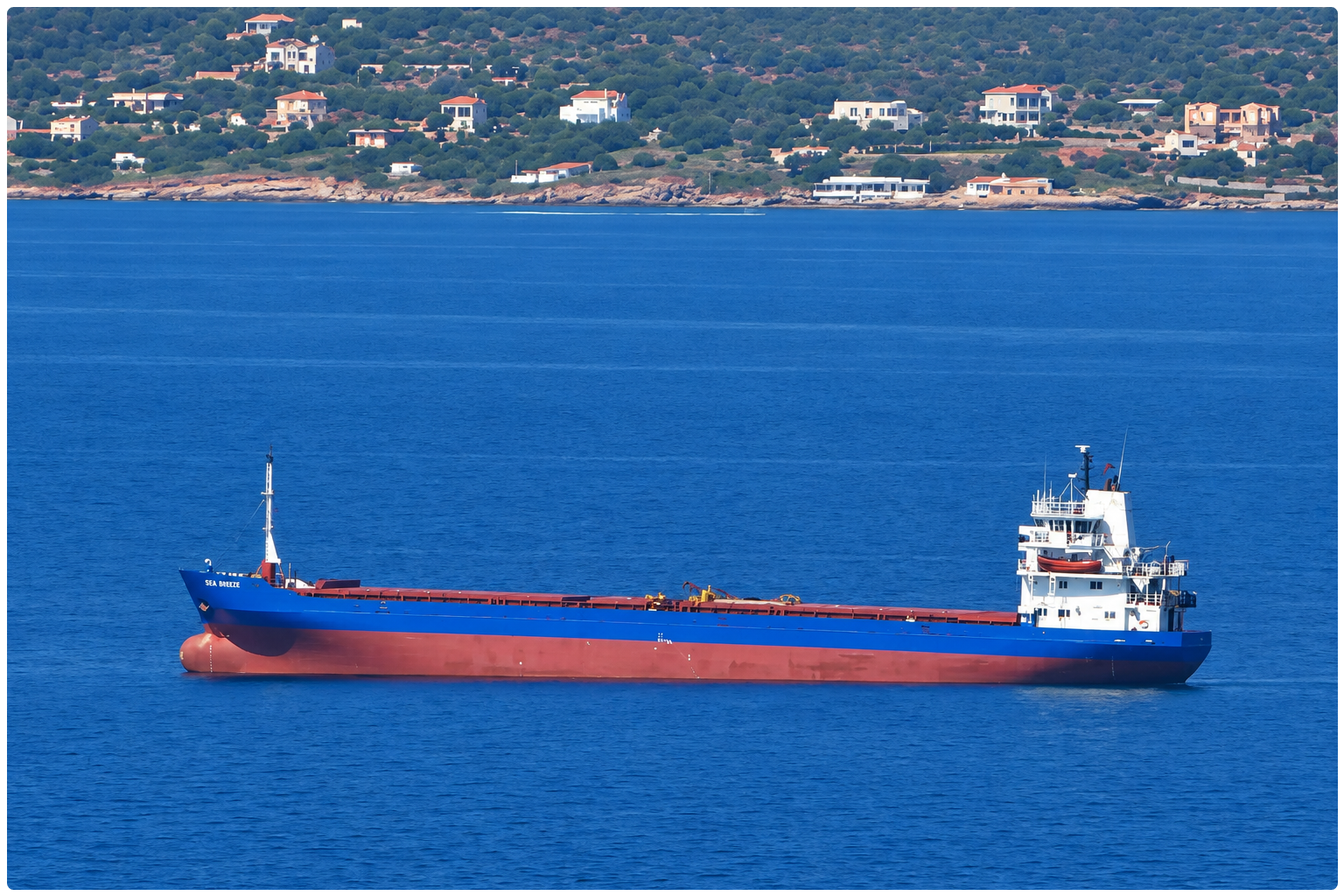
Bulgarian authorities said the attacks occurred early Tuesday between 70 and 80 nautical miles east of the coastal town of Byala, near Cape St Athanasius. Preliminary information identified the vessels as the Togo-flagged general cargo ship Alfa Watan and the Palau-flagged Able.
Alfa Watan reportedly suffered severe structural damage and sank following the attack. The fate of its crew was not immediately known, and Bulgarian search-and-rescue teams were attempting to locate possible survivors.
Able caught fire but remained afloat. All 18 sailors aboard the vessel were rescued by Dioscuria, a Bulgarian-flagged passenger and roll-on/roll-off ferry operating in the area. Some of the rescued sailors were reported to have sustained injuries and received emergency treatment aboard the ferry before arrangements were made to transfer them to Bulgarian authorities.
The full circumstances remain unclear. Bulgaria has not established who launched the drones, what kind of unmanned systems were used or whether the ships were deliberately selected because of their cargo, ownership or recent movements. No country or armed group had claimed responsibility when the first official statements were released.
Prime Minister Rumen Radev convened an emergency meeting with representatives of the defence and interior ministries, maritime authorities and national security services. President Iliana Iotova cancelled a scheduled visit to Veliko Tarnovo as the government assessed the incident.
The attack is particularly serious because it appears to be the first confirmed drone strike against commercial shipping inside Bulgaria’s Black Sea exclusive economic zone. Bulgaria is a member of both NATO and the European Union, making any expansion of the Russia-Ukraine conflict towards its maritime zone a major regional security concern.
An exclusive economic zone is not the same as territorial waters. Bulgaria exercises rights over natural resources and certain economic activities within the zone, but foreign ships retain freedom of navigation. An attack on foreign-flagged commercial vessels in the zone would therefore not automatically constitute an attack on Bulgarian territory or activate NATO’s collective-defence provisions.
It nevertheless creates an immediate security challenge for Sofia. Bulgaria must coordinate the rescue operation, determine whether additional drones or explosive hazards remain in the area and establish whether commercial shipping routes or offshore infrastructure face a continuing threat.
The attack comes one day after another Turkish-owned commercial vessel, Royad Mammadov, caught fire and sank in Romania’s exclusive economic zone. The ship had departed the Ukrainian Danube port of Izmail carrying corn to Italy. Two crew members died, while 11 sailors were rescued.
Ukrainian President Volodymyr Zelenskyy said Royad Mammadov had been struck by two Russian drones. Romanian authorities confirmed the fire, deaths and rescue operation but did not independently identify the cause. Russia did not immediately comment on that specific vessel.
Moscow separately said its forces had struck cargo ships transporting military equipment and supplies near the Ukrainian port of Odesa. Those Russian claims concerned vessels in the northwestern Black Sea and have not been publicly connected to the attacks in Bulgaria’s zone.
Bulgarian incident occurred during a sharp increase in Russian attacks on Ukrainian ports and transport infrastructure, no official evidence has yet attributed the strikes on Alfa Watan and Able to Russia, Ukraine or another actor.
The danger to civilian shipping has expanded as both sides increasingly use aerial and maritime drones across the Black Sea. Mines, drone wreckage and unexploded weapons have repeatedly drifted towards the waters of Romania, Bulgaria and Türkiye. Romania, Bulgaria and Türkiye have established a joint naval group to detect and remove sea mines threatening commercial routes.
The widening campaign has accompanied intensified strikes on Ukrainian bridges, industrial sites and transport networks. Black Sea ports remain critical to Ukraine’s exports of grain and other commodities, while nearby shipping lanes carry agricultural goods, oil and industrial cargo between Europe, the Caucasus and the Mediterranean.
For commercial operators, the Bulgarian attack could bring higher war-risk insurance premiums, revised sailing routes and demands for stronger protection against drones. Merchant vessels generally carry no effective defence against unmanned aircraft or explosive boats, leaving crews highly vulnerable even when ships are operating far from the Ukrainian and Russian coastlines.
The immediate priority remains finding the missing crew of Alfa Watan and bringing the rescued sailors from Able safely ashore. Beyond the rescue operation, Bulgaria now faces a more difficult question: whether the attack was an isolated spillover from the war or evidence that commercial vessels across a much larger section of the Black Sea are becoming direct targets.