Shortly after 6.30 am on October 7, 2023, photojournalist Roy Idan stepped outside his home in Kibbutz Kfar Aza with a camera.
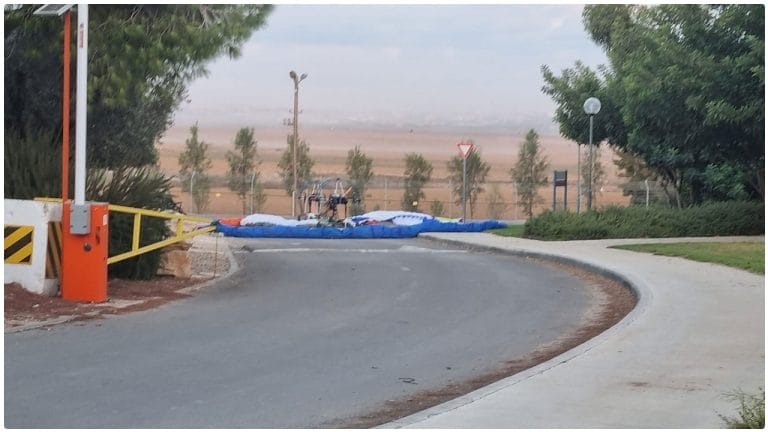
There were explosions overhead. Through his lens, he saw armed men descending towards Israel on motorised paragliders. The photographs he took would become some of the first evidence that the rockets in the sky were covering something far more sinister on the ground.
Minutes later, the gunmen reached his home.
Roy’s wife, Smadar, was shot dead. Roy was holding their three-year-old daughter, Avigail, when he was fatally wounded. The little girl, covered in her father’s blood, ran to a neighbour’s house. Her older siblings, Michael and Amalia, fled back inside and hid in a cupboard in the family’s safe room. Michael was nine. Amalia was six.
For approximately 14 hours, the children remained inside that cupboard while armed men moved through the kibbutz. Michael stayed on the phone with an emergency dispatcher, who told him to lock the door, remain quiet and wait until “good people” arrived.
They did not know where Avigail was. They thought she had died beside their father.
Avigail was alive, but the neighbouring Brodutch family sheltering her was eventually discovered. Hamas terrorists abducted Avigail, Hagar Brodutch and her three children and transported them into Gaza.
At 6.29 am, thousands of rockets had been launched from Gaza towards Israeli communities and cities. It was the Jewish festival of Simchat Torah. Families were asleep when the sirens rang. Parents lifted children from their beds and carried them into reinforced rooms, expecting another rocket attack that would eventually pass.
But this time the rockets were only a distraction.
Under cover of the relentless rocket barrage, Hamas terrorists blew open sections of the border barrier with explosives and bulldozers. Approximately 3,000 attackers crossed into Israel in pickup trucks, on motorcycles, by boat and through motorised paragliders.
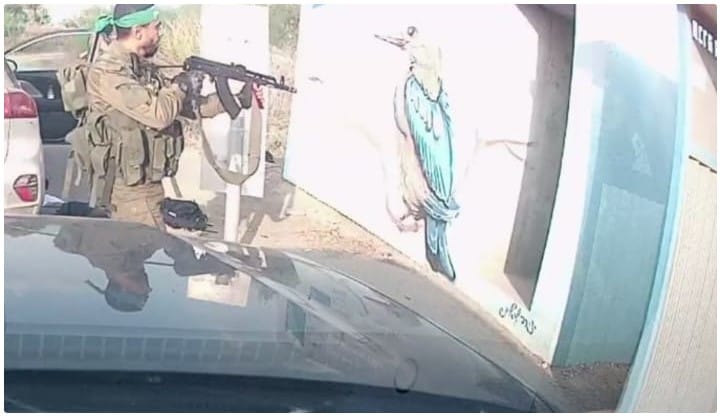
They carried assault rifles, grenades, anti-tank weapons and restraints for taking captives. Some wore body cameras recorded the brutality to later upload it online. They did not find families by accident while looking for soldiers. They entered residential areas armed and prepared to kill civilians and take captives back to Gaza.
A few kilometres away, thousands of young people had spent the night dancing at the Nova music festival near Re’im. When rockets started appearing overhead, the organisers stopped the music and told everyone to leave.
Most thought they were evacuating because of the barrage. But little did they know that gunmen were moving towards them.
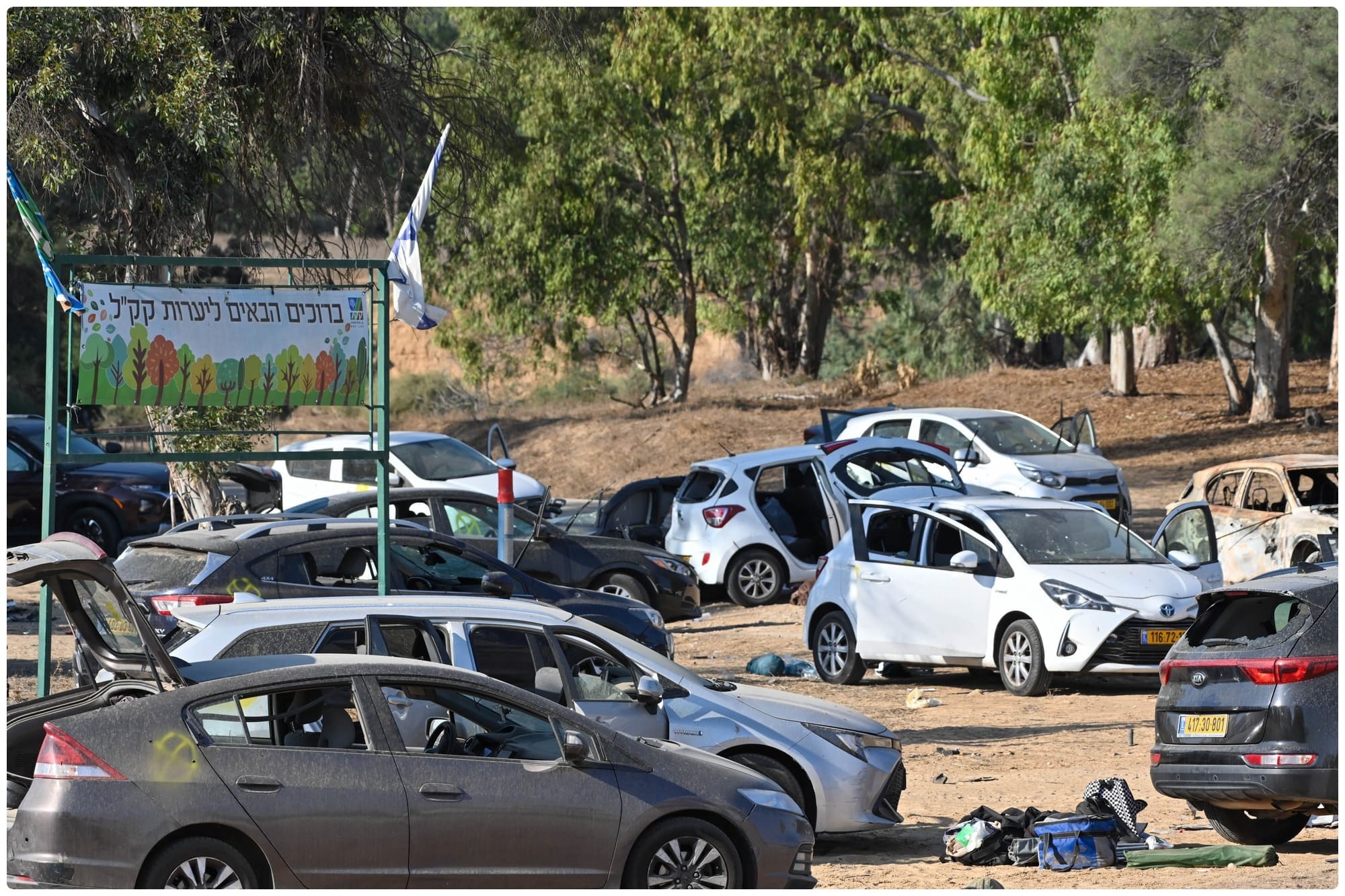
The roads quickly filled with cars. Festival goers attempting to drive north encountered terrorists firing into vehicles. Others abandoned their cars and ran into open fields, unable to tell where the shooting was coming from or which direction offered safety.
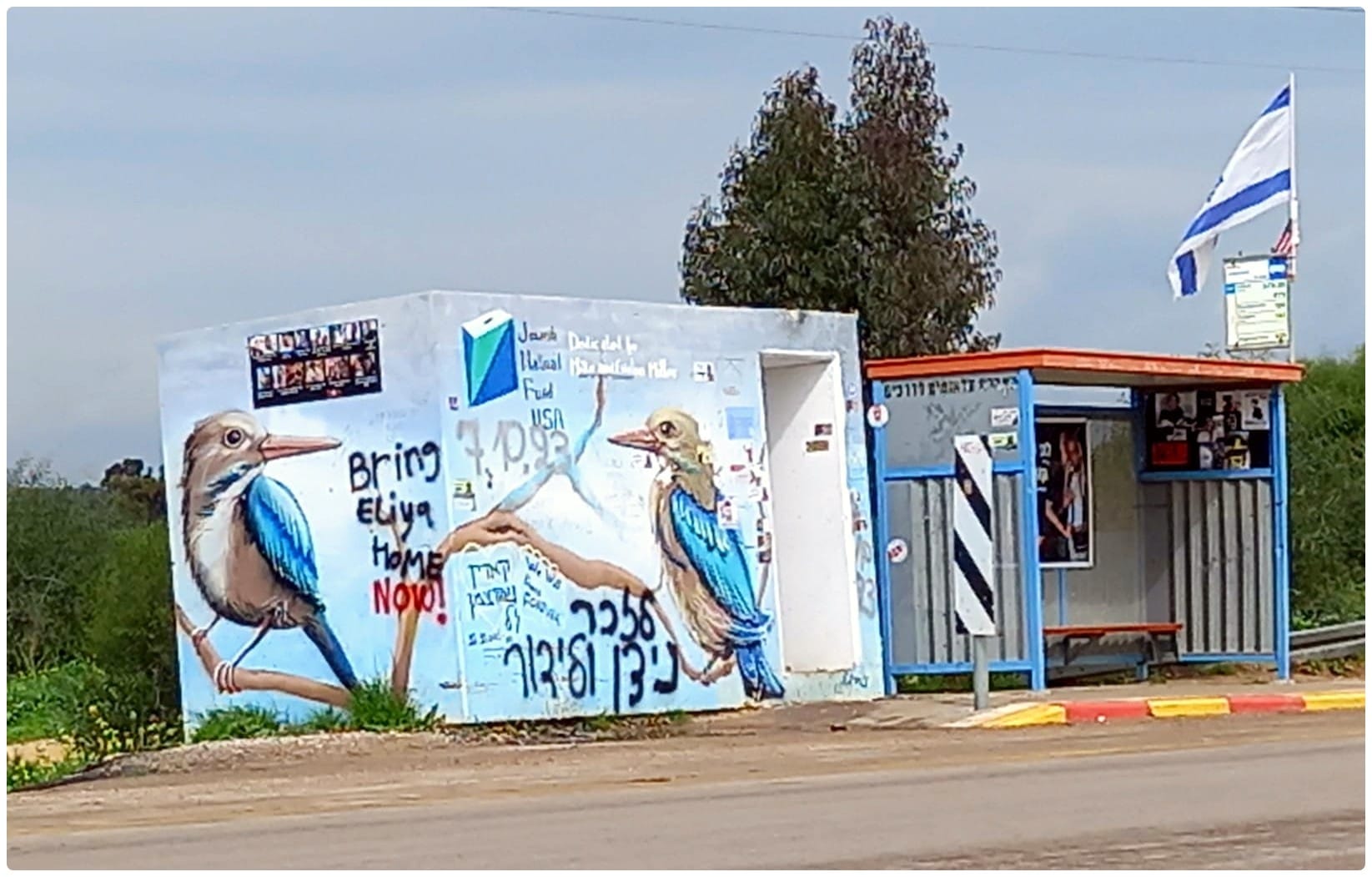
Twenty-two-year-old Aner Shapira and dozens of others crowded into a roadside shelter. Shapira was an off-duty soldier, but he had no weapon. When the gunmen reached the shelter and began throwing grenades through its entrance, he stood beside the opening.
He picked up the first grenade and threw it back. Then came another. And another.
Dashcam footage later showed Shapira throwing seven live grenades out of the shelter with his bare hands. Before the next one arrived, he reportedly told the people behind him that if he failed, they would have to continue.
The eighth grenade exploded before he could throw it away.
Aner Shapira died at the entrance of that shelter. The people behind him lived because, for several minutes, he had turned his own body into their defence.
His friend Hersh Goldberg-Polin was also inside. The explosion tore off part of Hersh’s left arm, video recorded afterwards showed him being loaded into a Hamas vehicle. He was taken into Gaza and remained a hostage for nearly 11 months before he was killed in captivity.
More than 360 people were murdered at the Nova festival. Some survivors hid beneath bodies and remained motionless for hours. Others ran for kilometres through the fields as gunfire followed them.
The final calls made by some of those young people were not requests for rescue. They knew no rescue was coming in time. They called their parents to say how much they loved them.
While young people at Nova were searching for anyone who could save them, 22-year-old paramedic Amit Mann was trying to save the wounded inside Kibbutz Be’eri.
Amit went to the community clinic after reports of casualties began coming in. The clinic soon became an improvised emergency centre as injured residents arrived with gunshot wounds. Her partner, fellow paramedic Ofir Peretz, later recalled speaking with her as terrorists moved through the kibbutz.
She could have tried to hide elsewhere. Instead, she stayed with people who could no longer move.
Amit treated the wounded, searched for medical supplies and remained in contact with emergency services outside Be’eri. The attackers eventually reached the clinic and shot her dead. She was one of more than 100 people murdered in Be’eri that day.
Outside the clinic, attackers were moving between houses and setting homes on fire. Families barricaded themselves inside safe rooms as smoke entered through doorways and ventilation gaps. Some were forced outside by the heat and smoke, only to find gunmen waiting for them. Residents sent message after message asking when the army would arrive.
Be’eri’s small civilian security team fought against a force many times its size. An Israeli military investigation into the battle later estimated that approximately 340 attackers entered the community. The military eventually acknowledged it had failed in its duty to protect them.
Elsewhere in the kibbutz, Netta Epstein and his fiancée, Irene Shavit, were sheltering inside their apartment when gunmen broke in.
The attackers threw grenades towards the safe room. One landed near Irene. Netta threw himself onto it. The explosion killed the 22-year-old, but his body shielded Irene from the full force of the blast. She remained hidden beneath him until Israeli soldiers reached the apartment.
Other members of Netta’s extended family were killed that morning, including his grandmother Bilha, his uncle Ofir Libstein, the head of the local regional council and his cousin Nitzan.
One family lost several generations within hours. Irene lived because the man she loved chose to protect her, even though it meant he would not survive.
The attack moved from one home to the next and from one community to another. At Kibbutz Nir Oz, the Bibas family was being taken captive.
Video showed Shiri Bibas clutching her two red-haired sons, four-year-old Ariel and nine-month-old Kfir, as armed men surrounded them. Kfir was the youngest person abducted on October 7.
Their father, Yarden Bibas, was captured separately. Images taken during his abduction showed him bleeding from the head. By the time the attackers withdrew, almost one-quarter of Nir Oz’s residents had been killed or taken into Gaza.
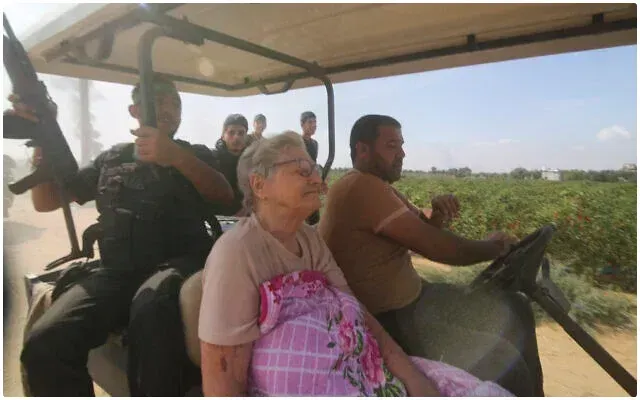
Eighty-five-year-old Yaffa Adar was among them. Footage showed her being driven towards Gaza in a golf cart, wrapped in a pink blanket and surrounded by gunmen. Her granddaughter later said Yaffa refused to allow her captors to see her cry.
Then there was Oded Lifshitz, an 83-year-old peace activist who had spent years driving sick Palestinians from Gaza to Israeli hospitals for treatment. When gunmen entered Nir Oz, his politics, his compassion and the people he had helped offered him no protection. He too was taken into Gaza.
The hostages included babies, grandparents, students, foreign workers, peace activists and people with disabilities. Some were taken from their beds. Others were dragged from vehicles or captured while trying to protect their families.
Across southern Israel, parents pressed their hands over children’s mouths to keep them silent. Families pushed cupboards, mattresses and furniture against safe-room doors. Some held door handles shut for hours while attackers tried to force their way inside.
Several victims remained on telephone calls with relatives until gunfire or flames ended the connection. Their families could hear what was happening, but they could not reach them. They could offer comfort, but they could not promise that anyone was coming.
Some people were saved by local security teams, police officers and soldiers who drove south without waiting for instructions. Others were rescued by relatives. Retired general Noam Tibon travelled towards Nahal Oz after learning that his son’s family was trapped there, joining soldiers along the way before reaching the kibbutz. Many rescuers arrived too late.
The brutality did not end with murder and abduction. A United Nations mission later found reasonable grounds to believe that rape and gang rape occurred at several locations, including the Nova festival area, Road 232 and Kibbutz Re’im. It also found clear and convincing information that hostages were subjected to sexual violence in Gaza.
Investigating those crimes was difficult. Many victims could never testify. Bodies had been moved during the emergency, while prolonged fighting contaminated several crime scenes. Some of the claims that circulated during the first chaotic days could not be verified and should not be repeated as fact. But separating unverified claims from established evidence does not make the established evidence less horrifying.
A 236-page investigation of the assault, based on 94 survivor interviews and more than 280 photographs and videos, concluded that Hamas’s military wing and at least four other Palestinian armed groups committed war crimes and crimes against humanity.
By the time the scale of the attack became clear, about 1,200 people were dead and 251 had been taken into Gaza. The victims included Israeli Jews, Bedouins, Arab Israelis and foreign nationals. Entire families had vanished from communities that had existed for generations.
Israel responded by declaring war against Hamas. The military campaign that followed devastated Gaza and brought immense suffering to Palestinian civilians. That suffering is real and must not be denied. But it cannot be used to rewrite the morning that began the war, or reduce the people murdered that day to a footnote.
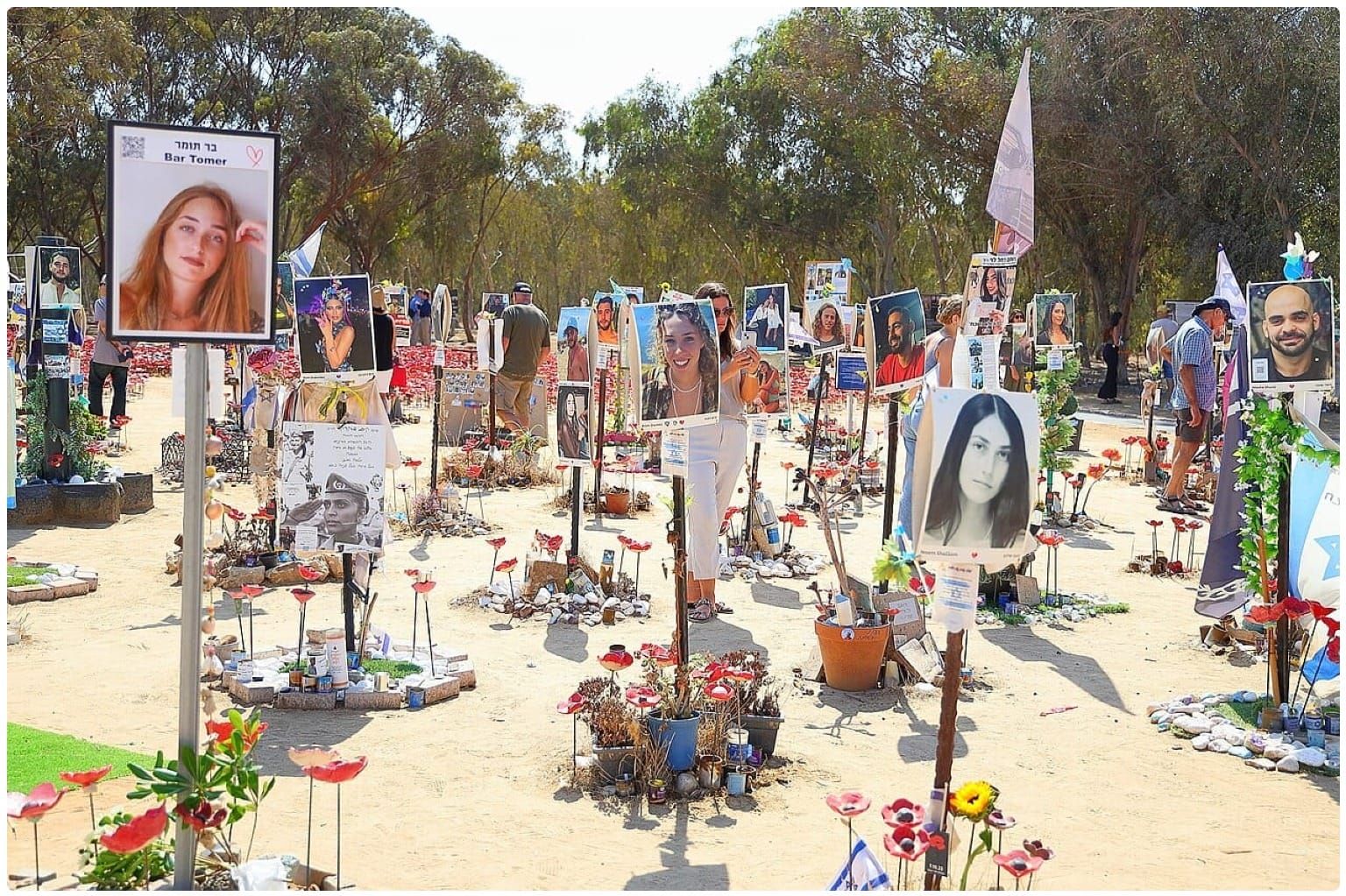
Three years later, October 7 remains present in empty bedrooms, burned houses and family photographs. It remains in the silence after a telephone call that suddenly ended and in the memories of children who were hiding in the cupboard.
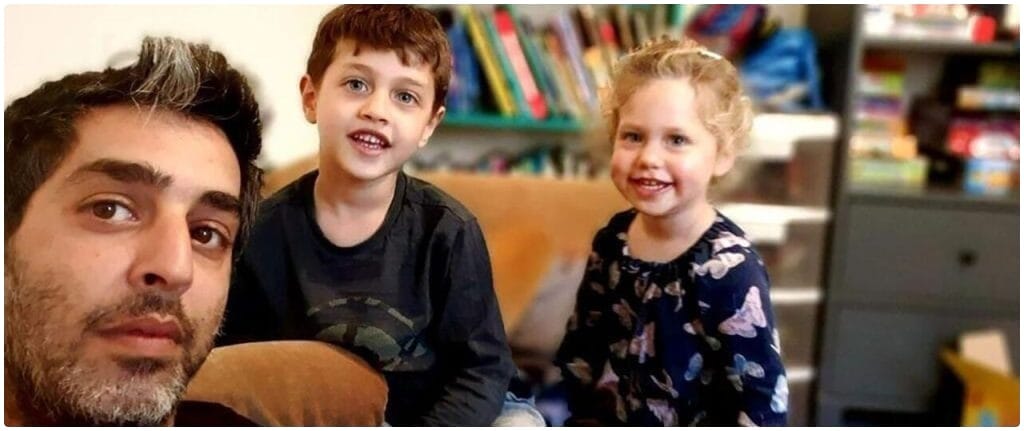
Michael and Amalia were told to remain hidden until good people arrived. For 14 hours, they waited.
The good people eventually came. By then, their mother and father were dead, their little sister had been taken into Gaza, and the lives they had known before entering that cupboard were gone.
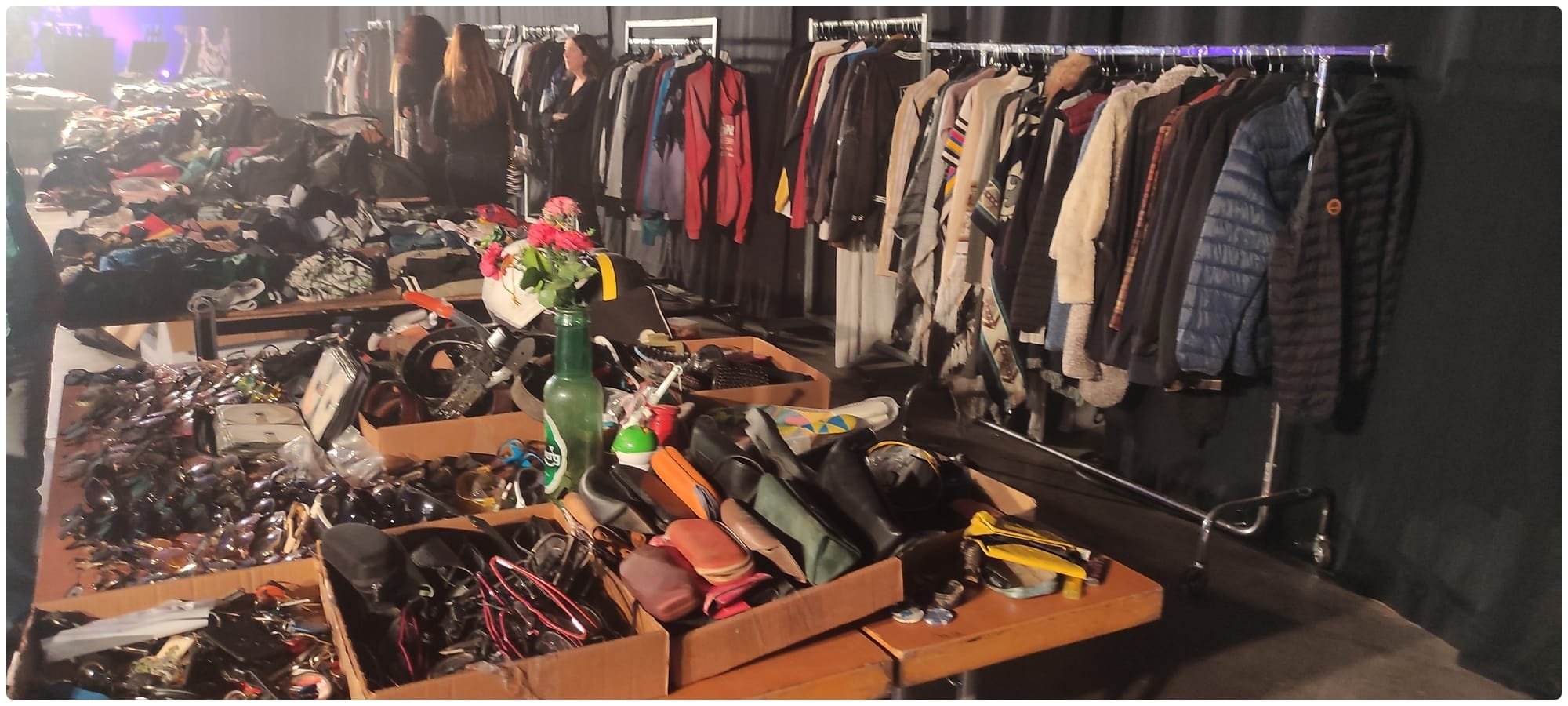
For them, and for much of Israel, time has been divided ever since: everything that came before October 7, and everything that came after it.